


Cusco Altitude: How High It Is and How to Adjust
Cusco sits at about 3,400 m (11,150 ft), and the CDC treats flying straight in as a high-risk ascent. Expect a headache and short breath the first day. Sleep lower in the Sacred Valley first if you can, keep two days easy, skip alcohol, and ask your doctor about acetazolamide.

In this guide
Short answer: Cusco sits at about 3,400 m (11,150 ft), high enough that the CDC counts a flight straight into the city as a high-risk ascent for altitude sickness. Most visitors get a headache and short breath the first day. Sleep lower in the Sacred Valley first if you can, take two easy days, skip alcohol, and ask your doctor about acetazolamide before you fly.
We meet travelers at Cusco airport every week, and we can usually tell who will have a rough first night. It is rarely about fitness. It is about who flew in from sea level, dropped the bags and walked straight up to San Blas with a pisco sour in mind. This guide gives you the altitude of every stop on a typical Peru trip, explains what the thin air does, and lays out the plan our guides use.
How high is Cusco?
Cusco's Plaza de Armas sits at about 3,400 m (11,150 ft) above sea level. The CDC Yellow Book rounds it to about 3,350 m (11,000 ft). Either way, it is higher than any town most Americans have slept in. Denver is at 1,609 m (5,280 ft), and Cusco is more than double that.
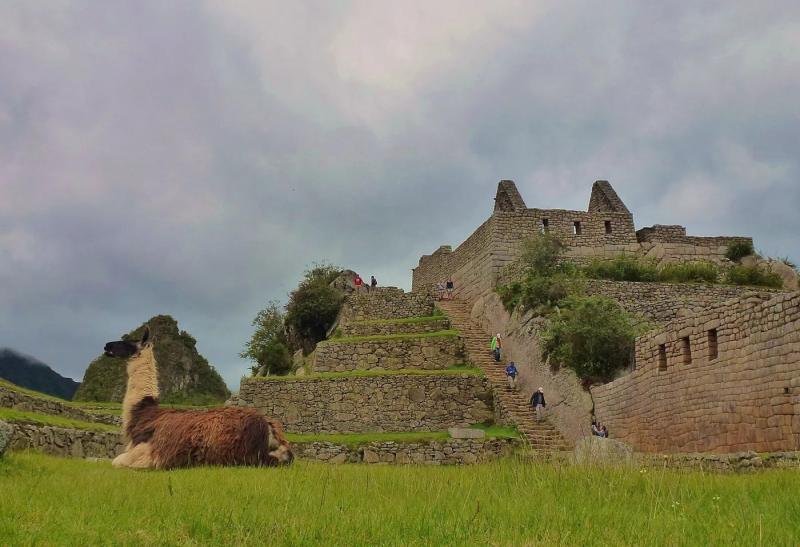
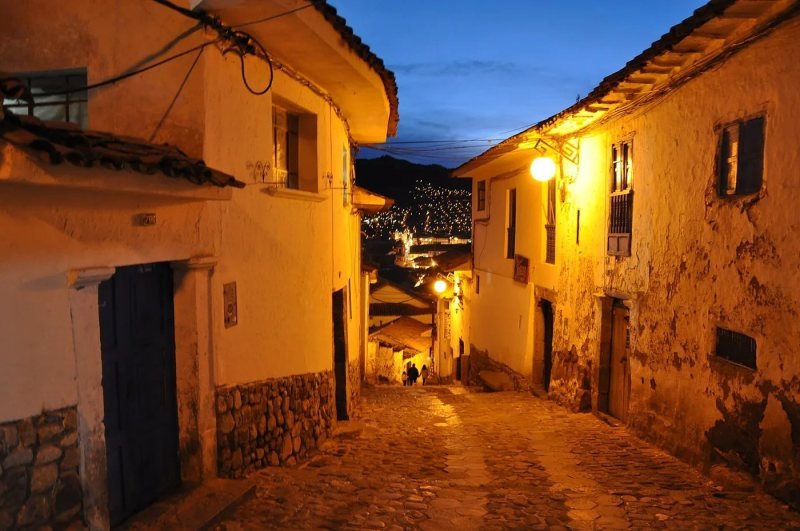
The city is also hilly, which matters more than the number suggests. Sacsayhuamán, the Inca fortress above the plaza, sits at about 3,700 m (12,140 ft). The climb up the stone streets of San Blas feels like a stair machine set too high. On day one, take a taxi up and walk down.
Altitude of every stop on a Peru trip
Most Peru itineraries swing between sea level and 5,000 m (16,400 ft) in under two weeks. The table below lists the altitude of each place in meters and feet, from Lima's coast to the top of Rainbow Mountain. The pattern to notice: Machu Picchu and the Sacred Valley are lower than Cusco, while the day hikes and Lake Titicaca are higher.
| Place | Altitude (m) | Altitude (ft) | Compared with Cusco | Source |
|---|---|---|---|---|
| Lima (coast) | near sea level | near sea level | About 3,400 m lower | General |
| Aguas Calientes (Machu Picchu Pueblo) | 2,040 | 6,690 | Much lower | Site value, Wikipedia infobox |
| Machu Picchu | 2,430 | 7,970 | About 970 m lower | Ministerio de Cultura, tuboleto.cultura.pe |
| Ollantaytambo (Sacred Valley) | 2,792 | 9,160 | About 600 m lower | Wikipedia infobox |
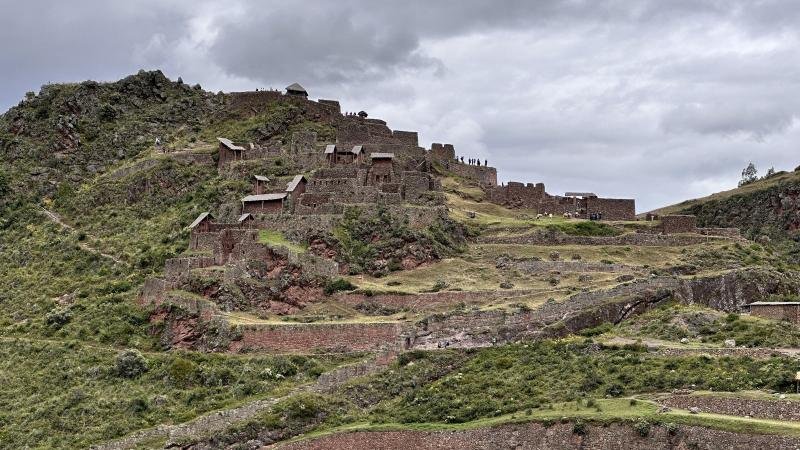
| Pisac (Sacred Valley) | 2,972 | 9,750 | About 430 m lower | Wikipedia infobox |
| Cusco | 3,400 | 11,150 | Reference | Site value (CDC Yellow Book gives about 3,350 m) |
| Sacsayhuamán | about 3,700 | about 12,140 | About 300 m higher | Commonly published, to confirm |
| Chinchero | 3,762 | 12,343 | About 360 m higher | Wikipedia infobox |
| Uyuni salt flat (Bolivia) | about 3,656 | about 11,990 | About 250 m higher | Commonly published, to confirm |
| Lake Titicaca surface | 3,812 | 12,507 | About 410 m higher | Site value, Wikipedia infobox |
| Puno | about 3,830 | about 12,570 | About 430 m higher | Wikipedia infobox |
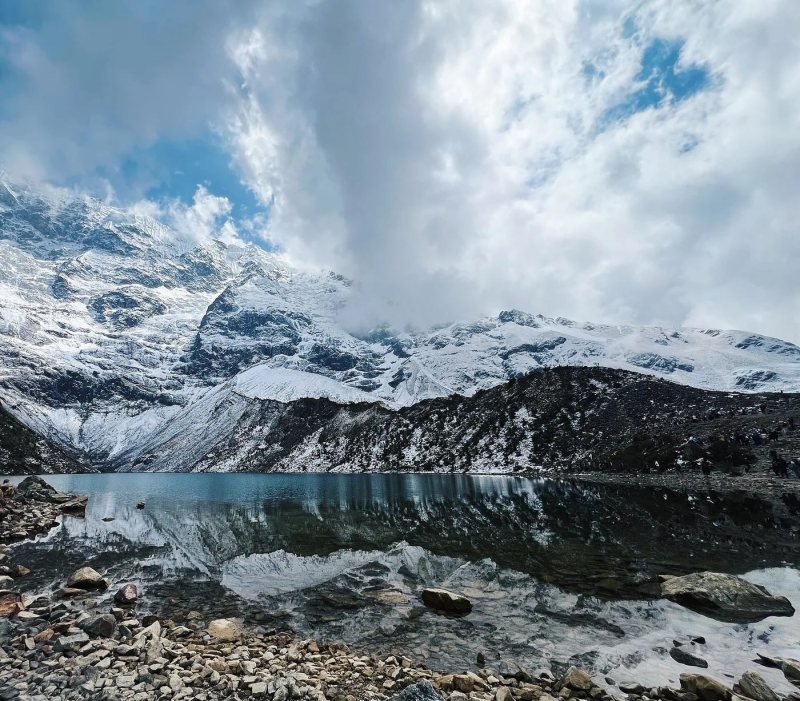
| Humantay Lake | 4,200 | 13,780 | About 800 m higher | Site value |
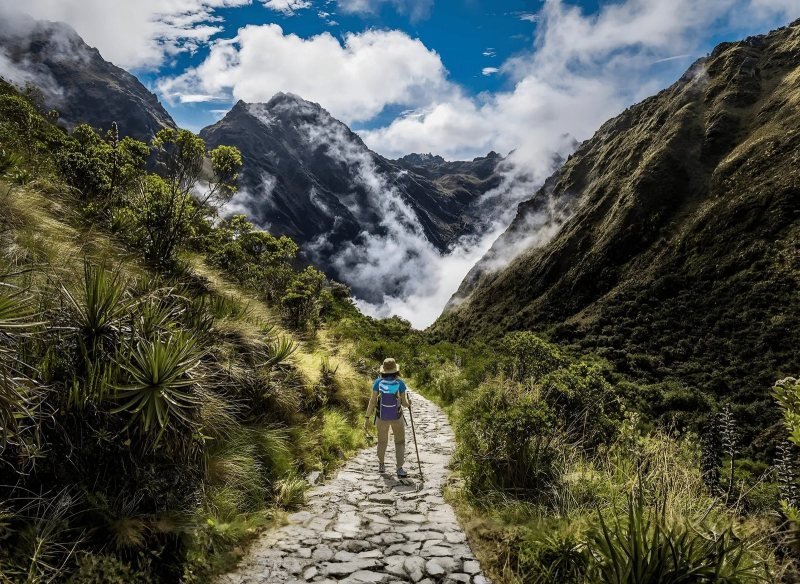
| Dead Woman's Pass, Inca Trail | 4,215 | 13,830 | About 815 m higher | Site value |
| Salkantay Pass | 4,630 | 15,190 | About 1,230 m higher | Site value |
| Palccoyo viewpoint | about 4,900 | about 16,080 | About 1,500 m higher | Site value, to confirm |
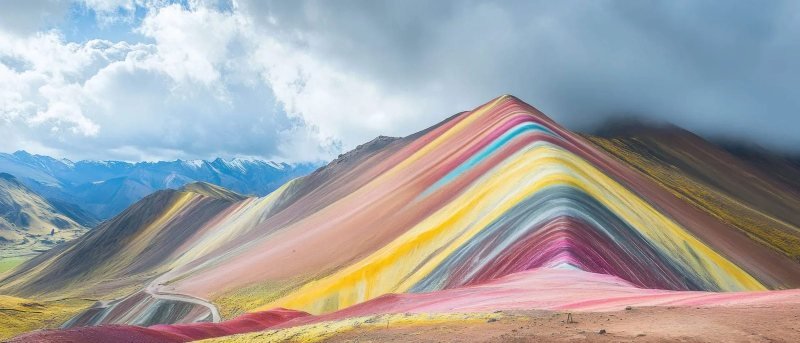
| Rainbow Mountain (Vinicunca) viewpoint | 5,036 | 16,522 | About 1,640 m higher | MINCETUR, site value |
Two practical readings of the table. First, Machu Picchu at 2,430 m (7,970 ft) is about 970 m (3,180 ft) lower than Cusco, so most people feel better there, not worse. Second, Rainbow Mountain at 5,036 m (16,522 ft) and Humantay Lake at 4,200 m (13,780 ft) are the stops where people get into trouble, almost always because they went in their first 48 hours.
What soroche feels like
Soroche is the Andean word for altitude sickness, and the medical name for the common form is acute mountain sickness (AMS). The CDC describes headache as the main symptom, usually with at least one of these: loss of appetite, dizziness, fatigue, nausea, and occasionally vomiting. Symptoms usually start 2 to 12 hours after you arrive, often during or after the first night.
In Cusco it feels like a hangover you did not earn. You get winded on the first flight of stairs, your heart pounds when you lie down, and you wake at 3 a.m. thirsty. Most travelers feel clearly better by the second or third day. Feeling short of breath on stairs is normal at this height. Feeling short of breath while sitting still is not.
Warning signs that mean descend and get help
Two rare conditions are emergencies. High-altitude cerebral edema (HACE) shows up as confusion, clumsiness and drowsiness, like being drunk without drinking. High-altitude pulmonary edema (HAPE) starts with a cough and unusual breathlessness on exertion, and it progresses to breathlessness at rest. Either one means going lower and seeing a doctor the same day. The CDC notes that people with altitude sickness improve quickly with a descent of 300 m (1,000 ft) or more.
- Breathless while resting, or a wet cough
- Confusion, slurred speech or trouble walking a straight line
- A headache that gets worse despite rest, water and a pain reliever
- Vomiting that will not stop
Cusco has clinics used to these cases, and every hotel desk knows the way. On a group day trip, tell the guide at the first sign. Our guides carry oxygen on the high hikes and will turn back with you, which is the right call even after a 3 a.m. start.
Who is at higher risk
The CDC lists the main risk factors as a fast ascent, a history of altitude sickness, and sleeping high on the first night. Age alone is not one of them: the CDC says children are as susceptible as adults, and people over 50 have slightly less risk. Fitness does not protect you either. Marathon runners get soroche too, often because they push too early.
| Risk level | CDC example | What it means in Peru |
|---|---|---|
| Low | First night below 2,750 m (9,000 ft), no history of altitude sickness | Starting in Aguas Calientes or Ollantaytambo |
| Moderate | First night at 2,750 to 3,400 m (9,000 to 11,150 ft) | Starting in the Sacred Valley's higher towns or in Cusco by road |
| High | First night above 3,400 m (11,150 ft), or a fast ascent by plane | Flying into Cusco and sleeping there, flying into Juliaca for Puno |
If you have heart disease, a lung condition or sleep apnea, the CDC advises seeing a physician who knows altitude medicine before the trip. Bring your medication list to that appointment, along with your itinerary and its highest point.
The first 48 hours
The first two days decide how the rest of the trip goes. The CDC's main prevention advice is a gradual ascent: avoid going to a sleeping altitude above 2,750 m (9,000 ft) in a single day, and once above 3,000 m (9,800 ft), raise your sleeping altitude by no more than 500 m (1,650 ft) per night. Nobody flying into Cusco can follow that to the letter, so the plan is to soften it.
Sleep low first
The best fix we know is to land in Cusco and drive straight down to the Sacred Valley. Ollantaytambo sits at 2,792 m (9,160 ft) and Pisac at 2,972 m (9,750 ft), more than 400 m (1,300 ft) below Cusco. Spend your first one or two nights there, see Machu Picchu, which is lower still, and sleep in Cusco last. Most of our multi-day trips are built in this order for that reason.
Our 48-hour plan for Cusco
- Day 1: Rest. Walk slowly on flat streets around the plaza, eat a light lunch, and skip alcohol. The CDC advises avoiding alcohol for the first 48 hours at altitude.
- Day 1 evening: Early dinner, a big glass of water, and bed. Expect a restless night, and do not judge the trip by it.
- Day 2: A half-day city walk or a museum, with a taxi for the uphill parts. Keep the pace at talking speed.
- Day 3 onward: The Sacred Valley, Machu Picchu and longer walks. Save the hikes above 4,000 m (13,100 ft) for day 4 or later.
Drink water steadily, but do not force liters. The CDC notes that dehydration has symptoms similar to AMS, and overhydration has not been shown to prevent it. Carry a liter during the day and add a cup of tea at night.
Medication: ask your doctor before the trip
Acetazolamide (brand name Diamox) is the prescription drug the CDC recommends to prevent altitude sickness for travelers in its moderate and high risk groups, and a flight straight into Cusco counts as high risk in the CDC's examples. It speeds up the body's adjustment to altitude. You need a prescription, and your doctor decides whether it fits you, the dose and when to start. The CDC's usual preventive schedule begins the day before the ascent and continues for the first two days at altitude.
Common side effects include tingling in the fingers and toes and a flat taste in carbonated drinks. Ask your doctor about a short test course at home. The CDC also mentions ibuprofen as a preventive option and dexamethasone for specific cases, both decisions for your physician, not for us. Pharmacies in Cusco sell acetazolamide, but get the advice before the trip, where your medical history is.
Coca tea: tradition versus evidence
Coca tea (mate de coca) is an infusion of coca leaves, served free in most Cusco hotel lobbies, and it is part of daily life in the Andes. It feels warm and mildly stimulating, like a strong green tea, and many travelers find it settles the stomach. What it does not have is proof. A 2019 review in Tropical Diseases, Travel Medicine and Vaccines concluded there may never be scientific proof that coca works or fails for travelers at altitude.
Drink it if you like it. Do not use it in place of the ascent plan or medication. Two practical facts matter more for Americans:
- A single cup can make a urine drug test positive for cocaine metabolites, per a 1996 study in Forensic Science International. If your job tests, skip it.
- Coca leaves and products containing them are illegal to bring into the United States, per US Customs and Border Protection. Finish the tea bags in Peru.
Planning day trips after you adjust
Rainbow Mountain (Vinicunca), Humantay Lake and Palccoyo all go well above Cusco, and they start before dawn after a 3-hour drive. On day 2 they are a gamble. On day 4 or 5 they are a hard, good morning. Plan the day trips to plan after you adjust for the back half of your stay, after the Sacred Valley and Machu Picchu.
If you are building the whole trip, look at a 6-day plan with time to adjust: it puts the city and the valley first and the two high mountain days at the end. For the climb itself, our Rainbow Mountain altitude and weather guide covers the trail, the cold and the turnaround rule.
Lake Titicaca and Bolivia
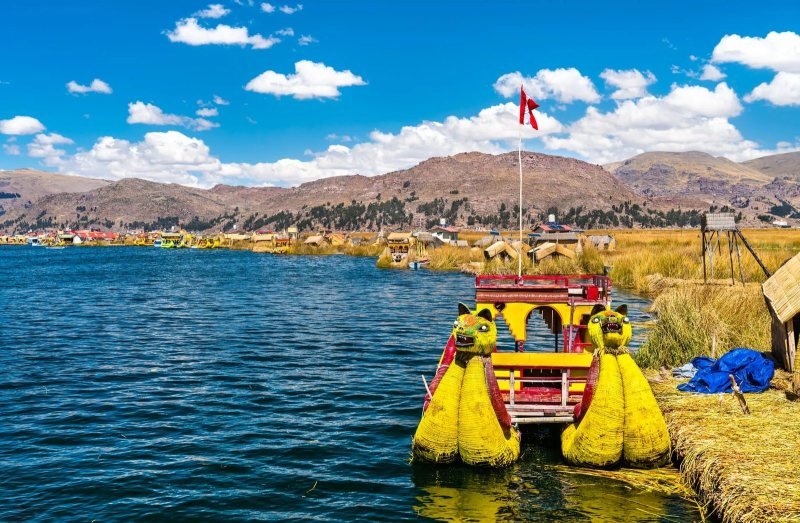
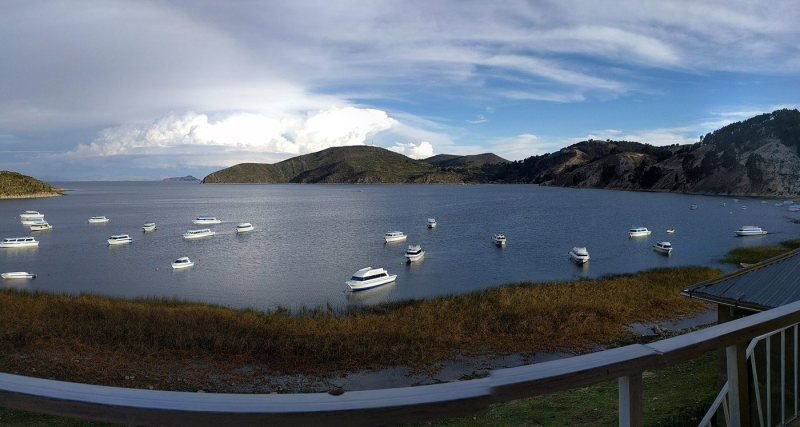
Puno, the Peruvian port on Lake Titicaca, sits at about 3,830 m (12,570 ft), and the lake surface at 3,812 m (12,507 ft). Both are higher than Cusco. If you go to Puno after a week in Cusco, you will feel the difference less. If you fly into Juliaca and start in Puno, use the same 48-hour rule. Uyuni's salt flat in Bolivia is at about 3,656 m (11,990 ft), and the Laguna Colorada circuit climbs well above 4,000 m (13,100 ft), with nights that are hard on everyone.
Questions people ask
How high is Cusco above sea level?
Cusco's center sits at about 3,400 m (11,150 ft), the figure we use across this site. The CDC Yellow Book gives about 3,350 m (11,000 ft). The hills around the plaza go higher: Sacsayhuamán, the Inca fortress just above town, is at about 3,700 m (12,140 ft). Machu Picchu, by contrast, is lower at 2,430 m (7,970 ft).
How do you prevent altitude sickness in Cusco?
Ascend gradually. Sleep in the Sacred Valley, around 2,800 to 2,970 m (9,160 to 9,750 ft), before Cusco if your itinerary allows. Keep the first two days easy, avoid alcohol for 48 hours as the CDC advises, and save hikes above 4,000 m (13,100 ft) for day 4 or later. Ask your doctor before the trip whether acetazolamide suits you.
Is Machu Picchu lower than Cusco?
Yes. Machu Picchu sits at 2,430 m (7,970 ft), about 970 m (3,180 ft) below Cusco, and Aguas Calientes, the town at its foot, is lower still at about 2,040 m (6,690 ft). Most visitors breathe easier there. The stairs inside the site and the climbs to Huayna Picchu or Machu Picchu Mountain still feel steep, because they are.
Does coca tea work for altitude sickness?
There is no good evidence that it prevents or treats altitude sickness. A 2019 review in a travel medicine journal said scientific proof may never exist either way. It is a pleasant local drink and many people like it with breakfast. It can trigger a positive drug test, and US Customs bans bringing coca leaves home, so leave the tea in Peru.
How long does it take to adjust to Cusco's altitude?
Most travelers feel clearly better after 2 to 3 days. The CDC notes that symptoms usually appear 2 to 12 hours after arrival, often around the first night, and ease as you acclimatize. Full adaptation takes longer, which is why the high day hikes belong at the end of a Cusco stay, not the start.
Should I take Diamox for Cusco?
That is a decision for your doctor. The CDC recommends acetazolamide (Diamox) for travelers at moderate or high risk, and its examples include flying straight into Cusco. It needs a prescription and has side effects such as tingling fingers. See your physician four to six weeks before travel with your itinerary and its highest point.
Sources
- CDC Yellow Book, High-Altitude Travel and Altitude Illness checked October 2026
- Ministerio de Cultura, Tu Boleto: Llaqta de Machupicchu (altitude 2,430 m) checked September 2026
- Bauer I. Travel medicine, coca and cocaine: demystifying and rehabilitating Erythroxylum. Tropical Diseases, Travel Medicine and Vaccines, 2019 checked October 2026
- Jenkins AJ et al. Identification and quantitation of alkaloids in coca tea. Forensic Science International, 1996 checked October 2026
- US Customs and Border Protection, Can I bring coca leaves into the United States? checked October 2026
- Wikipedia infoboxes: Ollantaytambo, Pisac, Chinchero, Puno, Aguas Calientes, Lake Titicaca checked October 2026
This guide was last reviewed in October 2026. Prices, rules and timetables are quoted with the date we checked them.