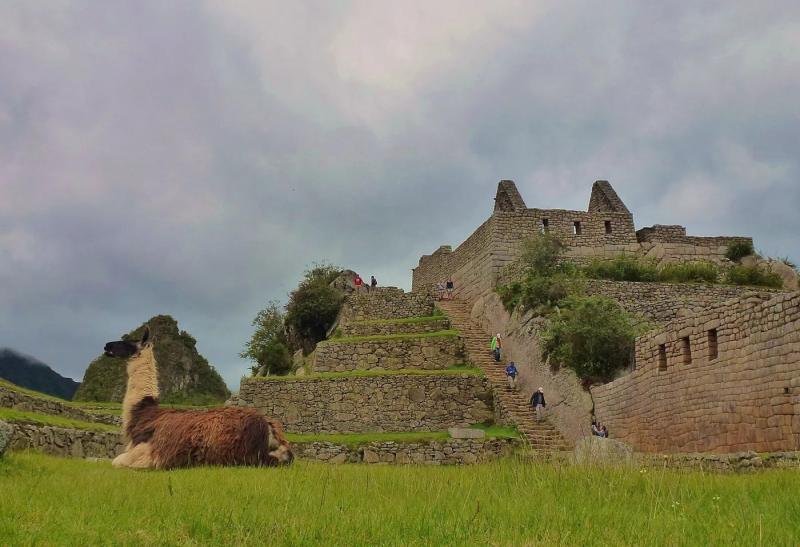
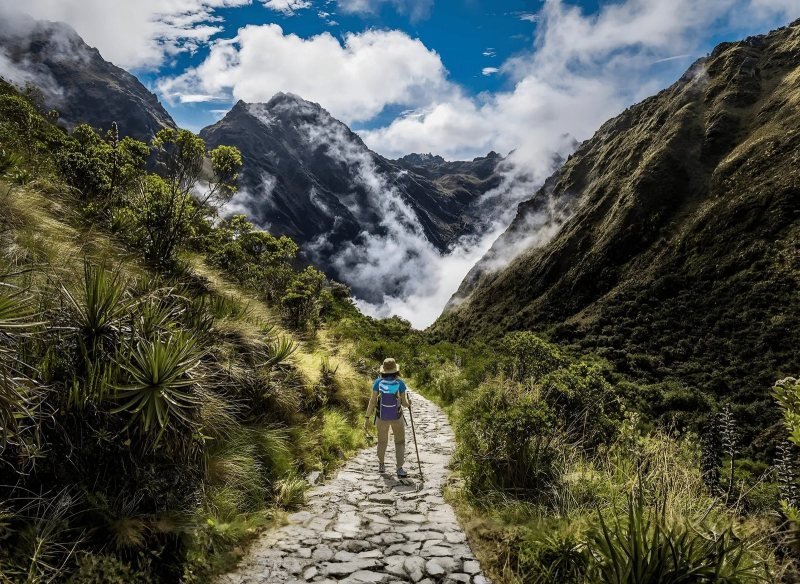
The Inca stone road into Machu Picchu: 43 km (26 mi) in 4 days from km 82, over Dead Woman's Pass at 4,215 m (13,829 ft), on a permit limited to 500 people a day.
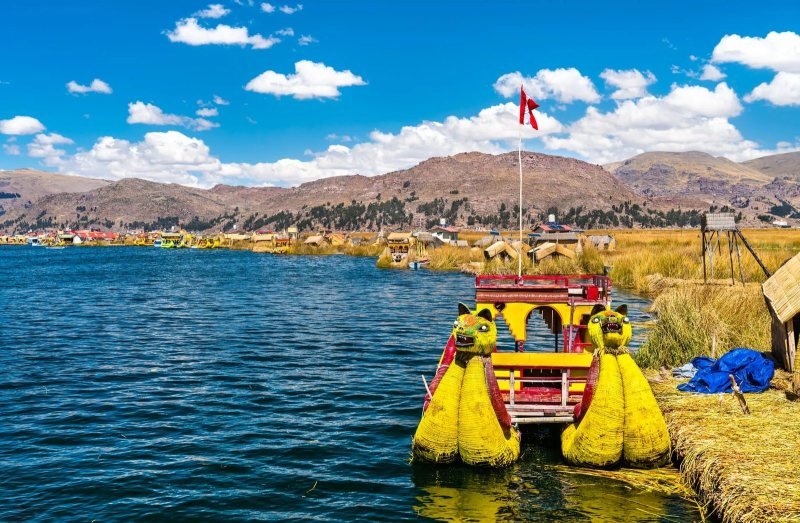
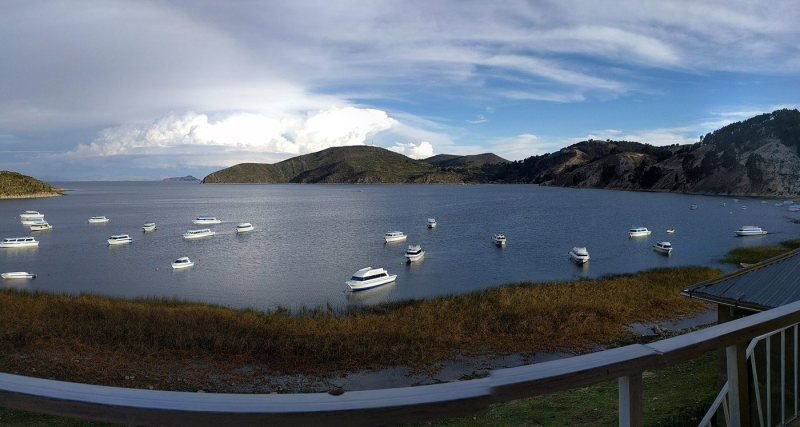
The Bolivian side of Lake Titicaca (Copacabana, Isla del Sol), La Paz and the Uyuni salt flats, reached by road from Puno in our Peru and Bolivia tours.
4.9 Tripadvisor, Viajes Cusco Perú (sister agency), 78 reviews Cusco, KM 82, Wayllabamba, Dead Woman's Pass, Pacaymayo, Wiñay Wayna, Sun Gate, Machu Picchu Daily departures
4 days, 3 nights3 nights camping on the trail
About 26 miles43 km of Inca road, KM 82 to the citadel
13,830 ft high pointDead Woman's Pass, 4,215 m, day 2
Permit includedIssued in your name, closed in February
Shared serviceLicensed guide, cook and porters
The trip in one paragraph
Book the Classic Inca Trail if you are fit enough for one hard climb, you have two or three days in Cusco before the start, and you can commit to a date months ahead. If you only have two days, or you want a hotel bed instead of a tent, our Short Inca Trail 2 days walks the last stretch from KM 104. If the permits for your dates are gone, look at Salkantay or Inca Trail before you give up on hiking in.
Who should book the classic trail
The draw is simple. Five Inca sites sit on this road and nowhere else: Llactapata, Runkurakay, Sayacmarca, Phuyupatamarca and Wiñay Wayna. No road reaches them. You walk past them in order, and on the fourth morning you step through the Sun Gate (Intipunku) with Machu Picchu below. The honest trade-off is the stairs. Days two and three are thousands of uneven stone steps, and they are harder on knees than any dirt trail.
Each day by distance and altitude
Day 1 is a warm-up, about 7.5 miles (12 km) with roughly 1,300 ft (400 m) of gain to camp at Wayllabamba. Day 2 is the one people talk about: about 3,990 ft (1,215 m) of climbing to Dead Woman's Pass (Warmiwañusca) at 13,830 ft (4,215 m), then a knee-heavy descent to Pacaymayo. Day 3 is the longest and the prettiest, around 10 miles (16 km) past three Inca sites to Wiñay Wayna. Day 4 is a pre-dawn hour to the Sun Gate and a guided visit.
Permits and the February closure
Only licensed agencies can buy Inca Trail permits, and each one is printed with your name and passport number. For this trek the permit is bought by our partner operator, authorized by SERNANP and holder of the trail licenses, and Sacred Lake Titikaka organizes the rest of your trip around it. The trail takes about 500 people a day, porters and guides included, and the whole network closes every February. Read Inca Trail permits by month before you settle on a date.
The original road into Machu PicchuYou walk the stone road the Incas built from the Urubamba valley, and you enter the citadel on foot through the Sun Gate.
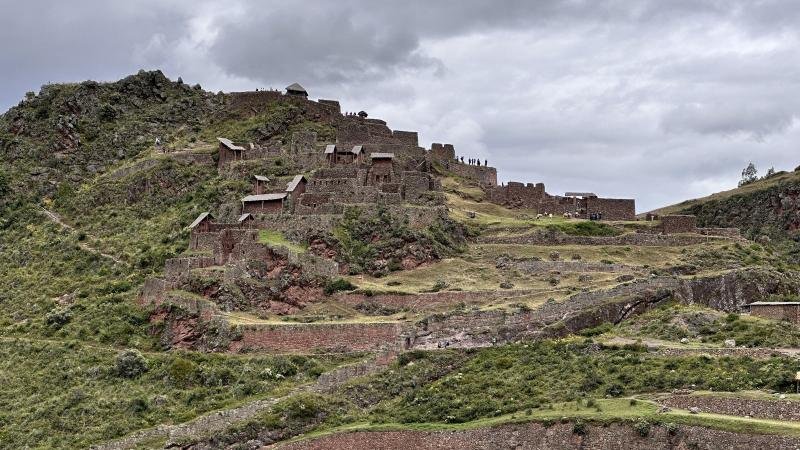
Five sites with no road to themFrom the terraces of Llactapata on day 1 to Wiñay Wayna on day 3, each one explained by your guide on the spot.
Dead Woman's PassThe climb to 13,830 ft (4,215 m) on day 2 is the hardest hour most hikers spend in Peru, and the view back down the valley is earned.
A crew that carries the campPorters carry tents, food and kitchen, plus 5 to 7 kg (11 to 15 lb) of your own gear. You walk with a daypack.
Price
One service level, priced per person on shared service: Full trekking service from US$797. The price is the same for everyone in the group because permits, porter wages and campsite fees are fixed by the rules, not by us. Single travelers and quotes for your own group go through the free quote form.
Pick your arrival date
Pick the day you start walking at KM 82. The trail runs every month except February, and each date depends on permits being left.
Send the free quote form with your start date, a backup date and every hiker's name and passport number exactly as printed. We check permits and confirm before you pay. Once a permit is bought it cannot be renamed or refunded, so check your passport data twice.
Day by day
Open a day to see the hours, the altitude and where you sleep. Times are the ones our guides actually keep.
Day1
Cusco, KM 82, Llactapata, Wayllabamba
Camp at Wayllabamba, high point about 9,840 ft (3,000 m)
Tent at Wayllabamba About 12 km, 5 to 6 hours Lunch and dinner Gain about 1,300 ft (400 m)
04:30
Pickup at your Cusco hotel
Pickup between 4:30 and 5:00 a.m. Leave your suitcase at the hotel. You take a daypack and the duffel the porters will carry. The drive down to KM 82 through the Sacred Valley takes about three hours with a stop.
Morning
Checkpoint at KM 82 (Piskacucho)
Rangers check every permit against the original passport, then you cross the Urubamba on the footbridge. Have the passport you booked with in your hand, not in the duffel.
Late morning
Along the river to Llactapata
An easy, dusty path with small climbs, at about 8,530 ft (2,600 m). Your guide stops above Llactapata, a terraced Inca settlement where the Cusichaca River meets the Urubamba.
Afternoon
Camp at Wayllabamba
The last stretch climbs gently up the Cusichaca valley to Wayllabamba, around 9,840 ft (3,000 m). The tents are up when you arrive. Eat well and sleep early, because day 2 starts climbing right after breakfast.
Day2
Wayllabamba, Dead Woman's Pass, Pacaymayo
Camp at Pacaymayo, about 11,810 ft (3,600 m), high point 13,830 ft (4,215 m)
Tent at Pacaymayo About 12 km, 7 to 8 hours Gain about 3,990 ft (1,215 m) Breakfast, lunch and dinner
05:30
Early breakfast
The crew wakes you with hot tea at the tent. The zipper is cold at that hour. Fill two liters of water before you leave camp.
Morning
Through cloud forest to Llulluchapampa
Steady climbing on stone steps through a forest of polylepis and moss. The trees thin out at the meadow of Llulluchapampa, and from there you see the pass for the first time.
Late morning
Dead Woman's Pass (Warmiwañusca)
The last switchbacks to 13,830 ft (4,215 m) are where most people stop every twenty steps. That pace is fine. Our guides walk at the back with the slowest hiker, and nobody gets left alone.
Afternoon
Down to Pacaymayo
About 2,020 ft (615 m) of steep stone steps down to camp. This descent hurts knees more than the climb hurts lungs, so use your poles. Afternoon tea and dinner at camp.
Camp at Wiñay Wayna, about 8,690 ft (2,650 m), high point about 12,960 ft (3,950 m)
Tent at Wiñay Wayna About 16 km, 8 hours Second pass about 12,960 ft Breakfast, lunch and dinner
Morning
Runkurakay and the second pass
A shorter climb, about 1,150 ft (350 m), past the round stone walls of Runkurakay to the second pass at roughly 12,960 ft (3,950 m). On a clear day you see the Vilcabamba range ahead.
Midday
Sayacmarca
A walled Inca site on a rock spur, reached by a narrow staircase. The trail then runs on original paving through cloud forest, with an Inca tunnel cut into the rock.
Afternoon
Phuyupatamarca
Ritual baths still running with spring water, and the first view down toward the Machu Picchu side of the mountain. From here it is a long staircase down, more than 4,000 ft (about 1,300 m) of descent in total for the day.
Late afternoon
Wiñay Wayna
Camp is a short walk from the Wiñay Wayna terraces, which curve down the slope above the river. Visit them before dark. The last night with the crew is when most groups thank the porters and cook.
Day4
Wiñay Wayna, Sun Gate, Machu Picchu, Aguas Calientes, Cusco
Back in Cusco at night (hotel not included), Sun Gate at about 8,920 ft (2,720 m)
About 5 km to the Sun Gate Guided visit, 2 to 3 hours Train and van to Cusco Breakfast at camp
03:30
Wake-up and the checkpoint queue
The porters pack the camp and leave early for their train. You wait in line at the last checkpoint until it opens at dawn. Bring a headlamp and a warm layer for the wait.
Dawn
Sun Gate (Intipunku)
About 1.5 hours and 3 miles (5 km) of contouring trail, then a short, steep flight of steps to the gate. Machu Picchu appears below with Huayna Picchu behind it. If cloud covers it, wait, it often lifts within the hour.
Morning
Guided visit of Machu Picchu
Two to three hours with your guide through the temples, the terraces and the main plaza. Trekkers enter on the route assigned to the trail permit.
Midday
Bus to Aguas Calientes
Consettur bus down to town for lunch on your own. Shoes off, beer or coffee, and the first real toilet in three days.
Afternoon
Train to Ollantaytambo, van to Cusco
About 1 hour 40 minutes on the train, then about two hours by road. You reach Cusco in the evening.
Where you go
The route follows the Inca road from the railway at KM 82 over two high passes and through the cloud forest to the Sun Gate above Machu Picchu.
Interactive map loads from OpenStreetMap when the page is online. Route: Cusco · KM 82 (Piskacucho) · Llactapata · Wayllabamba · Dead Woman's Pass · Pacaymayo · Sayacmarca · Phuyupatamarca · Wiñay Wayna · Sun Gate (Intipunku) · Machu Picchu · Aguas Calientes.
Stops on the itinerary Machu PicchuDashed line: road and rail route
What is included
Included
Inca Trail permit with Machu Picchu entryBought by us under your name and passport number. Machu Picchu entry on day 4 with your guide.
Licensed bilingual guideOfficial English and Spanish speaking guide for the four days, as the trail rules require.
Cook and portersThe crew carries the camp and food, and one duffel per hiker with up to 7 kg (15 lb) of your things.
Camping gear for 3 nightsTents, dining tent and kitchen equipment. Sleeping bag not included.
Meals on the trailLunch and dinner on day 1, three meals on days 2 and 3, breakfast on day 4.
TransfersShared van from Cusco to KM 82 on day 1, and from Ollantaytambo to Cusco on day 4.
Train backAguas Calientes to Ollantaytambo on day 4.
First aid kit and briefingCarried by the guide, with a briefing in Cusco before departure.
Not included
Sleeping bag rentalBring one rated to about 23°F (minus 5°C), or rent one from us.
Meals not listedBreakfast on day 1, and lunch and dinner on day 4 in Aguas Calientes and Cusco.
Consettur bus down on day 4Confirm with your booking whether the bus ticket is included.
Huayna Picchu or Machu Picchu MountainExtra ticket, booked months in advance, and hard to fit after the trail.
Travel insuranceRequired by us for this trek. Make sure it covers hiking up to 14,000 ft and evacuation.
TipsOptional, usually handed to the porters and cook on the last night.
Hotel in CuscoNot part of the trek. You need a bed the night before and the night you return.
Good to know
Closed every FebruaryThe Inca Trail network closes every February for maintenance. Machu Picchu stays open, so a train tour still works that month.
Same passport as the permitYour permit carries your passport number and cannot be transferred or renamed. If you renew your passport after booking, bring both.
AltitudeThe CDC treats anything above 8,000 ft (2,500 m) as high elevation. Spend two or three nights in Cusco or the Sacred Valley first, and ask your doctor about medication.
FitnessTrain on stairs, not flat miles. If you can climb 3,000 ft of steps with a light pack in a morning at home, day 2 will be hard and fine.
Cold nights, warm daysNights at Pacaymayo drop near freezing in June and July. Afternoons in the cloud forest are humid and warm. Pack layers, not one heavy coat.
Season and rainMay to September is the dry season and the busiest. March, April, October and November are greener with afternoon showers. December and January are the wettest.
What to carry yourselfDaypack with 2 liters of water, rain shell, warm layer, sun hat, sunscreen, headlamp, snacks, passport and cash. Trekking poles need rubber tips.
Train luggagePeruRail allows one backpack of up to 8 kg (17.6 lb) and 100 cm, or a hand bag of up to 12 kg (26.5 lb) and 115 cm, per its luggage page. Your suitcase stays in Cusco.
Travelers on this itinerary
Sacred Lake Titikaka is new; these are public Tripadvisor reviews of Viajes Cusco Perú, the family agency that operates every package on this site.
4.9
78 reviews Viajes Cusco Perú, Sep 2026
4.7
83 reviews Google Maps
Reviews shown: Viajes Cusco Perú travelers (sample of public Tripadvisor reviews, read Sep 30, 2026).
C
Claudia I.Sep 2026, with friends
Dream Come True
"Incredible experience!! Beautiful landscape and beautiful people. We were lucky to be guided by Vladimir, who with his lovely personality and amazing knowledge made this trip a great learning experience."
Translated from Spanish by Tripadvisor
E
Erika C.Jul 2026, solo traveler from Argentina
I recommend them, people!
"All the tours I did (Machu, Humantay Lake, Rainbow Mountain, Sacred Valley) were spectacular!!! From picking me up at the hotel (always punctual and attentive, notifying about everything!) to the guides I had who were also excellent."
Excerpt. Translated from Spanish by Tripadvisor
M
Martin Rogelio I.Jul 2026, Sullana, Peru, with family
Professionalism, trust, and human quality
"I came to this agency by recommendation and, after traveling with them on two occasions, I can say that it was an excellent decision. I must highlight the professionalism of the guides, who made every tour very interesting and safe."
Excerpt. Translated from Spanish by Tripadvisor
Still have questions?
Everything we get asked about this package before people book.
How hard is the Inca Trail?
Hard on one day, moderate on the rest. Day 2 climbs about 3,990 ft (1,215 m) to Dead Woman's Pass at 13,830 ft (4,215 m), and the stone steps down are tough on knees. Hikers in their sixties finish it every season when they acclimatize first and walk at their own pace.
How long is the Inca Trail?
The classic route is about 26 miles (43 km) from KM 82 to Machu Picchu, walked over four days. The daily stretches run about 12, 12, 16 and 5 km, with walking times from 5 to 8 hours. Day 4 is short, about 1.5 hours to the Sun Gate.
Do you need a guide for the Inca Trail?
Yes, by law. The Inca Trail can only be hiked with a licensed agency and an official guide. Independent hiking is not allowed, and the rangers at KM 82 check every permit against the passport. Sacred Lake Titikaka organizes your trip, and the trek itself is run by a partner operator authorized by SERNANP, which holds the trail licenses and supplies the guide, the cook and the porters.
How do Inca Trail permits work?
Permits are sold only to licensed agencies, not to travelers. Each one carries the hiker's name and passport number and cannot be changed. Daily capacity is 500 people with porters and guides counted, which leaves roughly 200 hikers. Send us your date and passport data and we check availability before taking any payment.
Is the Inca Trail closed in February?
Yes. The network shuts for the whole month for maintenance and cleaning. Machu Picchu itself stays open. If February is your only month, take a train to Machu Picchu or hike the Salkantay or Lares route, which need no trail permit.
What do porters carry?
The tents, the kitchen, the food and gas, and a duffel of your own clothes and sleeping bag, 5 to 7 kg per hiker. Peruvian law caps a porter's load at 20 kg (44 lb) for men and 15 kg (33 lb) for women. You carry only your daypack.
How far ahead should I book?
For May to August, as soon as permits for your year go on sale, and those dates go within days. For March, April, October and November, two to four months usually works. There is no waiting list, so send your preferred date and a backup date.
Inca Trail or Salkantay?
Pick the Inca Trail for the ruins along the way and the arrival through the Sun Gate. Pick Salkantay if permits are sold out, if stone steps worry your knees, or if you want a higher pass and glacier views. Salkantay ends at Machu Picchu too, but by train or a lower road.
Bike down from the Abra Málaga pass, hike through coffee country to the Cocalmayo hot springs, walk the railway to Aguas Calientes and tour Machu Picchu on day 4. No camping above 7,000 ft.
Four days down into the Apurímac canyon and up to Choquequirao, a large Inca site with no road to it, then back out the same way. Guide, cook, pack animals and camping included.
Four days through the Lares valley: hot springs, a night with a weaving family, a 15,420 ft pass between glacier lakes, then the train to Aguas Calientes and a guided Machu Picchu visit.