
Puno to Copacabana by the Aymara Route, Border Included
A one-way day from Puno to Copacabana, Bolivia, along the Aymara shore: Chucuito, Amaru Muru, Juli and the Kasani border crossing with your guide. US$127.
From, per personUS$127


Rainbow Mountain, Humantay, Sacred Valley, city tour. From US$27.
All 15 packages
Lima, Nazca, Cusco, Machu Picchu and Lake Titicaca, 6 to 15 days.
All 6 packages
Machu Picchu, both shores of Lake Titicaca, La Paz and Uyuni. 10 to 15 days.
All 8 packages

Cusco, Machu Picchu, a lake ceremony at Llachón and a night on Amantaní, 5 to 12 days.
All 4 packages
Uros, Taquile and the Aymara shore from Puno, or as part of a longer trip.
All 15 packages
Where do you want to go?
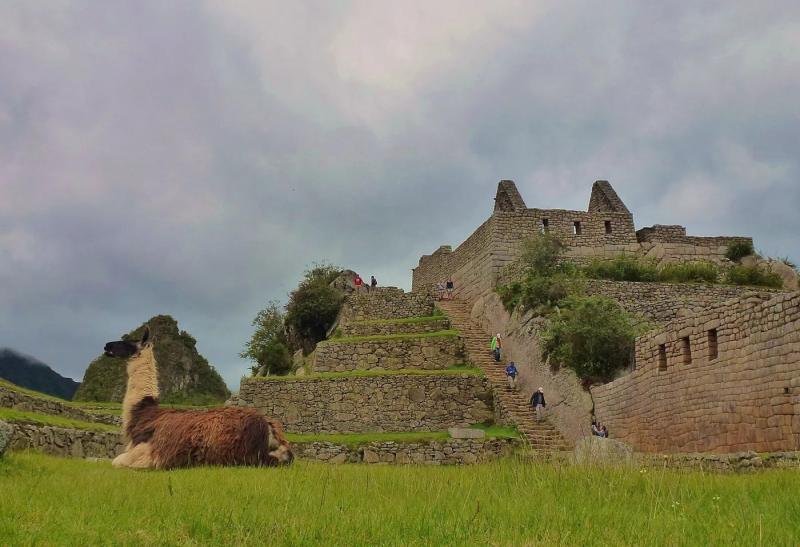
The Inca citadel at 2,430 m (7,970 ft) above the Urubamba River, 3.5 hours from Cusco by road and train, visited on a timed ticket with a guide.
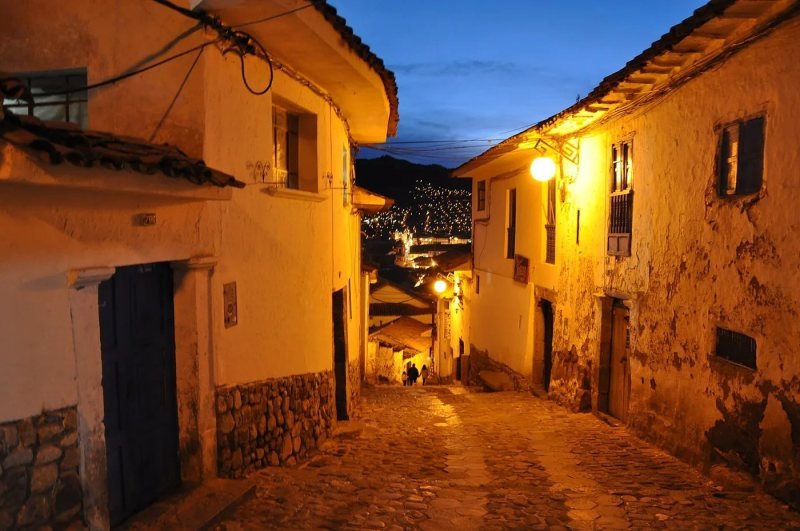
29 packages include itExplore Machu PicchuThe Inca capital at 3,400 m (11,150 ft), 1 hour 20 minutes by air from Lima, where every Machu Picchu trip and every trek starts.
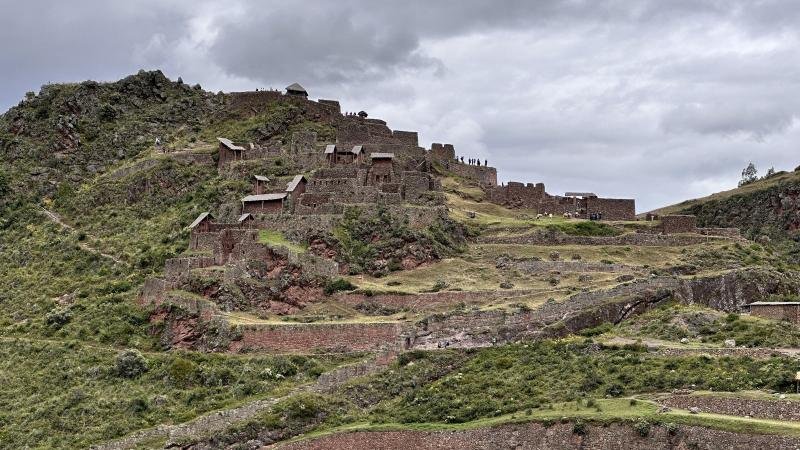
24 packages include itExplore CuscoThe Urubamba River valley between Pisac and Ollantaytambo, about 2,870 m (9,416 ft), one hour north of Cusco and on the train line to Machu Picchu.
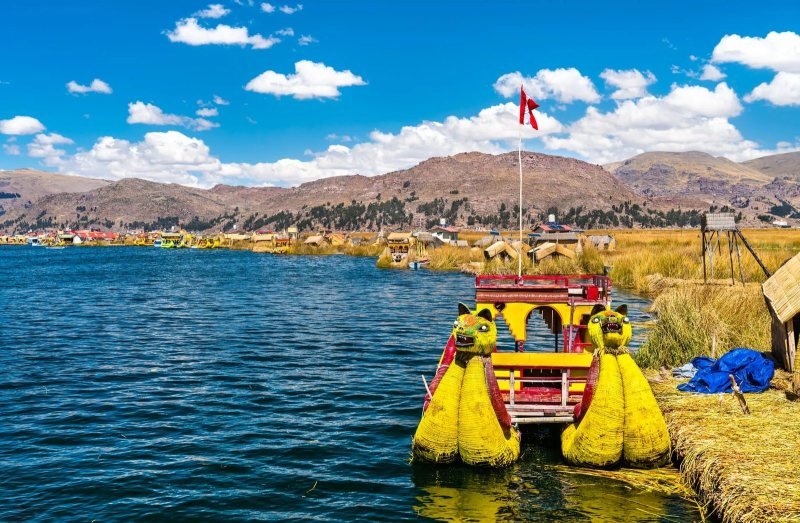
25 packages include itExplore Sacred ValleyThe lake on the Peru and Bolivia border at 3,812 m (12,507 ft): the Uros reed islands, Taquile and the Aymara shore, reached from Puno.
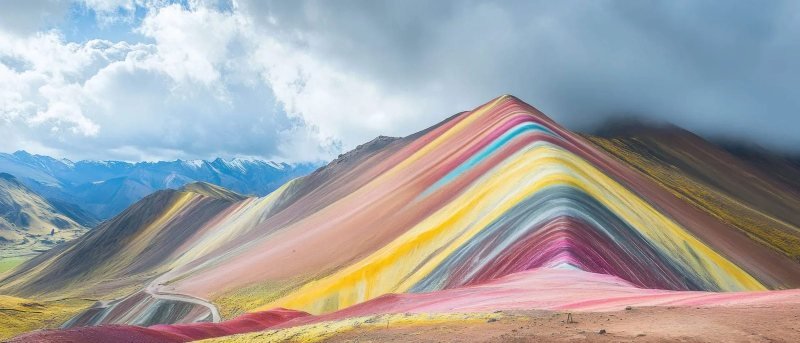
15 packages include itExplore Lake Titicaca and PunoVinicunca, a striped mineral ridge at 5,036 m (16,522 ft) south of Cusco, reached by a 3-hour drive and a 90-minute to 2-hour uphill walk.
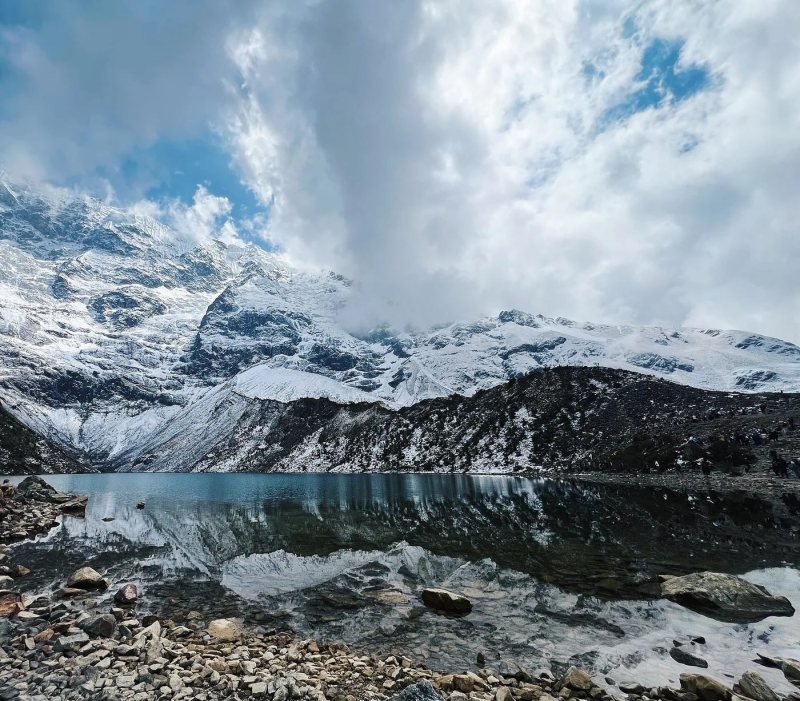
3 packages include itExplore Rainbow MountainA turquoise glacier lake at 4,200 m (13,780 ft) under the Humantay peak, three hours from Cusco by road plus a 90-minute uphill walk from Soraypampa.
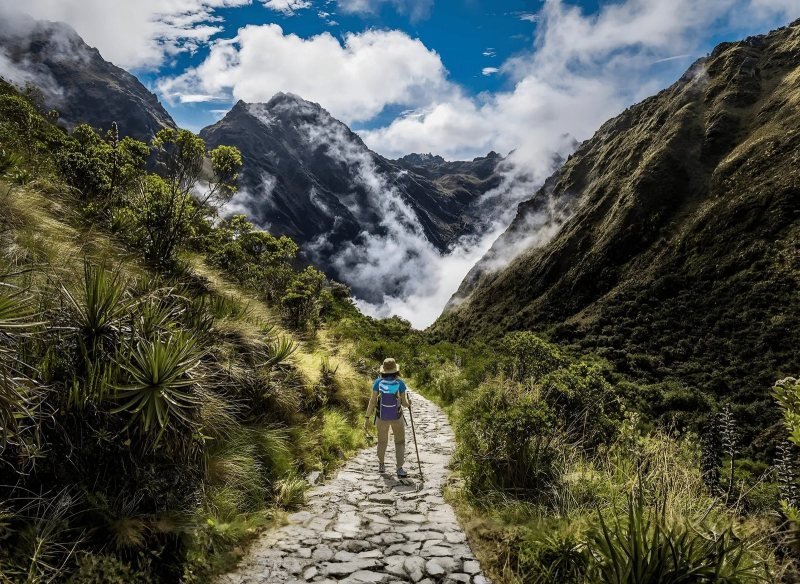
3 packages include itExplore Humantay LakeThe Inca stone road into Machu Picchu: 43 km (26 mi) in 4 days from km 82, over Dead Woman's Pass at 4,215 m (13,829 ft), on a permit limited to 500 people a day.
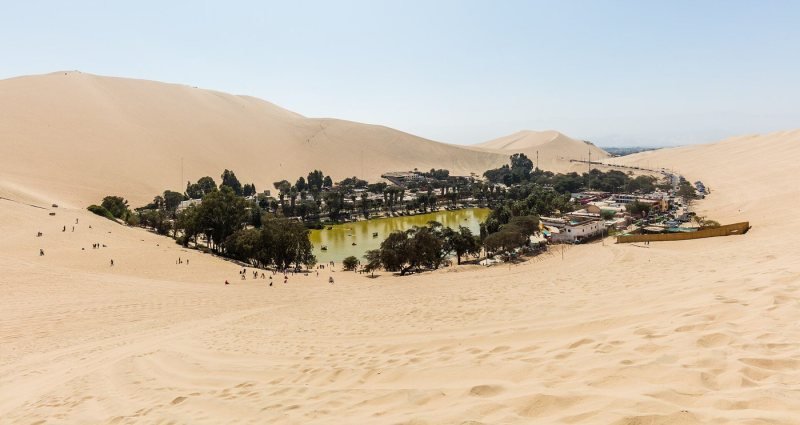
1 package includes itExplore Inca TrailPeru's capital at sea level, where every trip lands, plus the desert coast to the south: Pachacamac, Paracas, Huacachina and the Nazca Lines.
13 packages include itExplore Lima and the coastThe Bolivian side of Lake Titicaca (Copacabana, Isla del Sol), La Paz and the Uyuni salt flats, reached by road from Puno in our Peru and Bolivia tours.
7 packages include itExplore Bolivia
The Bolivian side of Lake Titicaca (Copacabana, Isla del Sol), La Paz and the Uyuni salt flats, reached by road from Puno in our Peru and Bolivia tours.
Photo: Tony.atlantico, Wikimedia Commons, CC BY-SA 4.0 (source)
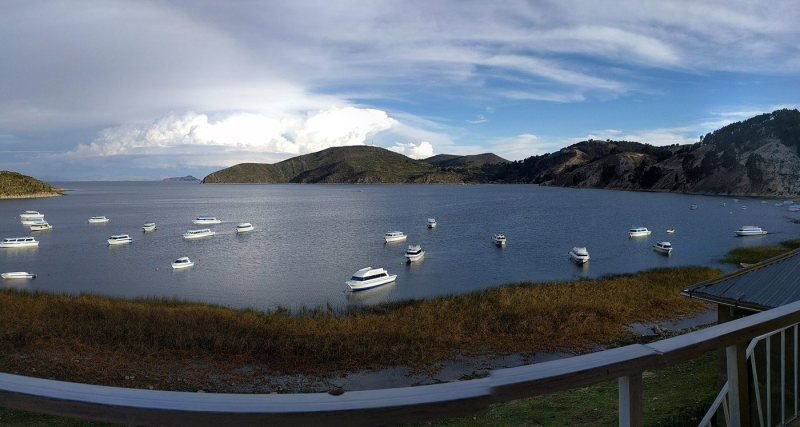
Bolivia, for our trips, is the eastern shore of Lake Titicaca and what lies beyond it: Copacabana at 3,841 m (12,602 ft), the island of Isla del Sol, the city of La Paz and, 540 km (335 mi) further south, the Salar de Uyuni, the largest salt flat on earth at about 10,500 km² (4,050 sq mi). We reach it by road from Puno, crossing the border at Kasani 2.5 hours from the city, inside the Peru and Bolivia tours of 10 to 15 days. US citizens need no visa for a tourist visit (as of October 2026), only a passport valid for six months and the paper yellow fever card.
The table lists the altitudes, the distances and the entry rule. Copacabana is a lakeside town with a basilica and the boats to Isla del Sol, where a stone stairway climbs from the dock to Inca terraces and the legend places the birth of the sun. La Paz is the seat of government, laid out in a canyon from about 3,200 m (10,500 ft) at the bottom to 4,100 m (13,450 ft) at El Alto, where the airport is, with cable cars instead of a subway. Uyuni is a railway town at 3,650 m (11,975 ft) at the edge of the salt. Bolivia for US travelers covers the visa, the money and the safety advisory in one place.
| Fact | Value | Source |
|---|---|---|
| Copacabana altitude | 3,841 m (12,602 ft) | |
| La Paz altitude | about 3,200 to 4,100 m (10,500 to 13,450 ft), El Alto airport at the top | |
| Uyuni salt flat | about 3,650 m (11,975 ft), about 10,500 km² (4,050 sq mi) | |
| Border crossing | Kasani, about 2.5 hours from Puno by road | |
| Visa for US citizens | not required for tourism since December 1, 2025 (as of October 2026). Yellow fever card required at entry per CDC | bo.usembassy.gov |
| Puno to La Paz by road | about 8 hours by road including the border | |
| La Paz to Uyuni | about 540 km (335 mi), by overnight bus or a 1-hour flight | |
| Mirror season | roughly January to March |
From Puno the road follows the southern shore for about 2.5 hours to Kasani. You stamp out of Peru, walk across the line and stamp into Bolivia. US passport holders do not need a visa for a tourist visit to Bolivia (as of October 2026): Bolivia dropped the requirement on December 1, 2025, per the U.S. Embassy in La Paz. Bring a passport valid for six months and the address of your hotel. The CDC lists proof of yellow fever vaccination as an entry requirement for Bolivia for travelers 1 year and older, so carry the paper yellow card. The guide walks you through the post.
January to March is the wet season, when a film of rainwater turns the salt flat into a mirror and the sky doubles under your feet. April to December is dry, with the white hexagons, the drive to Incahuasi island and its cactus, and night skies with no light for 100 km (62 mi) in any direction. June to August nights drop to 5 F (minus 15 C). Both seasons are worth it and they are different trips. Our Uyuni salt flats guide goes month by month. The mistake is coming for the mirror in May. By then it is gone.
The six Peru and Bolivia tours of 10 to 15 days, from US$1,647, all reach Copacabana, La Paz and Uyuni, and the Aymara Route day tour from Puno to Copacabana at US$127 crosses the border for the afternoon. All are listed below.
Photos: Qhanaaru, CC0, via Wikimedia Commons (source); Thomas Fuhrmann, CC BY-SA 4.0, via Wikimedia Commons (source); PsamatheM, CC BY-SA 4.0, via Wikimedia Commons (source); CLAUDIOLD, CC BY-SA 4.0, via Wikimedia Commons (source); P. Hughes, CC BY 4.0, via Wikimedia Commons (source); Christoph Strässler, CC BY-SA 2.0, via Wikimedia Commons (source); Diego Delso, CC BY-SA 4.0, via Wikimedia Commons (source); Bob Ramsak, CC BY-SA 4.0, via Wikimedia Commons (source)
Grouped by type of trip. Prices per person in a double room.
A one-way day from Puno to Copacabana, Bolivia, along the Aymara shore: Chucuito, Amaru Muru, Juli and the Kasani border crossing with your guide. US$127.

Ten days from Lima to the Uyuni salt flat: Machu Picchu by train, Lake Titicaca, the border at Kasani and La Paz, ending at Uyuni airport. From US$1,817 per person.

Eleven days from Lima: Machu Picchu, Lake Titicaca, La Paz, the Uyuni salt flat and a day south to Laguna Colorada, ending in La Paz. From US$1,647 per person.

Twelve days: Machu Picchu, Lake Titicaca, La Paz and the full three-day Uyuni circuit with the salt flat, the lagoons and the geysers at dawn. From US$2,047 per person.

Thirteen days in the Andes: Machu Picchu, the daytime Route of the Sun to Lake Titicaca, La Paz and the full Uyuni circuit. From US$3,247 per person.

Two weeks across Peru and Bolivia: the Ballestas coast and Huacachina dunes, Machu Picchu, Lake Titicaca, La Paz and the full Uyuni circuit. From US$3,247 per person.

Fifteen days with the high points of both countries: Machu Picchu, Rainbow Mountain, Lake Titicaca, La Paz and the full Uyuni circuit. From US$3,057 per person.
No, not for tourism (as of October 2026). Bolivia dropped the visa requirement for US citizens on December 1, 2025, per the U.S. Embassy in La Paz. Bring a passport valid for six months and your hotel address. The CDC lists proof of yellow fever vaccination as an entry requirement for travelers 1 year and older, so carry the paper yellow card. We send the current list when you book.
Pick the photograph first. January to March for the mirror, when rain leaves water on the salt and the sky reflects. April to December for the dry white hexagons and the drive to Incahuasi island, which floods out in the wet months. Our own pick is late March, when both can happen in the same week. Nights from June to August fall to 5 F (minus 15 C).
From about 3,200 m (10,500 ft) in the southern districts to 4,100 m (13,450 ft) in El Alto, where the airport sits. The center is around 3,600 m (11,800 ft). By the time our routes reach it you have spent a week above 3,000 m (9,800 ft) in Cusco and Puno, so most travelers feel it less than Cusco. The cable cars do the climbing.
Yes, with the Aymara Route from Puno to Copacabana, which crosses at Kasani and ends in Copacabana in the afternoon. You need your passport and your yellow fever card at the border. The tour is one way, so it suits travelers continuing to La Paz. Isla del Sol needs a second day, and Uyuni needs the full 10-day route.
The places our routes visit, Copacabana, La Paz and Uyuni, are tourist corridors used by buses every day, and our guide is with you from Puno onward. The US State Department publishes a Bolivia travel advisory, and road blockades during protests are the real risk to a schedule, which is why we build a buffer day into the long routes. Read the advisory before booking, and read our guide, which carries the current level and date.