


Frequently asked questions
The questions we answer most, in four groups: booking and payments, what happens on the trip, Machu Picchu, and health and altitude. Each answer is the short version, with a link to the guide that goes deeper. If yours is not here, send it through the quote form and a planner answers in writing.
Booking and payments
How do I book and pay if there is no online checkout?
You pick a package or ask for a custom route, we confirm the date and availability in writing, and you pay a 30 percent deposit by card through a payment link. The balance is paid on arrival, by card or in cash. Every payment gets a receipt and a confirmed itinerary with hotel names and train times. There is no account, no newsletter and no automatic charge.
Why is there a deposit, and how much do you ask for?
Because the Machu Picchu ticket, the train seat and the Inca Trail permit are bought under your name on dated, non-refundable terms the day you confirm. The deposit is 30 percent of the trip price and covers those purchases. It is stated in the quote and on the terms page, so you see it before you pay anything.
What is your cancellation policy?
If you cancel 30 days or more before the trip, you get a refund. Machu Picchu entrance tickets and Inca Trail permits are not refundable once issued in your name, and train tickets are refunded minus the penalty the railway charges. The terms page states the rules. We recommend travel insurance that covers cancellation for exactly this reason.
Are international flights included?
No. No package includes international flights or the domestic flight between Lima and Cusco. Prices cover what happens on the ground. We tell you which domestic flight to book so the pickups match, we quote it if you want it bought together, and we meet you at the Cusco airport.
Are prices per person or per group?
Per person, in US dollars. On multi-day packages the price assumes a double room, and the hotel tier changes only the hotel. On day trips and treks the price is for shared service. Solo travelers, triple rooms and private service are quoted separately, and the quote says which service you are buying.
How far ahead should I book?
For June to August, 30 to 45 days for Machu Picchu packages and five to seven months for the Inca Trail. The rest of the year, two to three weeks for packages and two to three months for the trail. Huayna Picchu needs two to three months in any season. How Inca Trail permits work explains the sale calendar.
On the trip
Are the tours private or shared?
Shared by default: small groups with one licensed guide and pickup at your hotel. That is what the published prices cover. Private tours are available on request and quoted per trip, with the simplest from US$50. We state in writing which service you booked, and we never describe a shared tour as private.
What does a licensed guide mean?
A guide registered with the Peruvian tourism authority, trained in the sites they work and speaking English. Inside Machu Picchu and on the Inca Trail a licensed guide is required by regulation. Our guides are based in Cusco and run the same trips every week, which is where the opinions on this site come from.
What if a train is cancelled or there is a strike?
The trip is rescheduled: we rebook you on the next available service and rearrange the days, at no charge for our part. Costs charged by the train companies or hotels for changes outside our control are passed on at cost, as the terms state. Strikes in the Cusco region are announced a day or two ahead, and we tell you the moment we know.
Should I buy travel insurance?
Yes. Buy a policy that covers trip cancellation, medical care abroad and evacuation from altitude, and check that trekking above 4,000 m (13,000 ft) is covered if you are doing a trek. We do not sell insurance and we do not get a commission on it. The dated tickets we buy for you are the reason cancellation cover matters.
How much cash do I need, and in what currency?
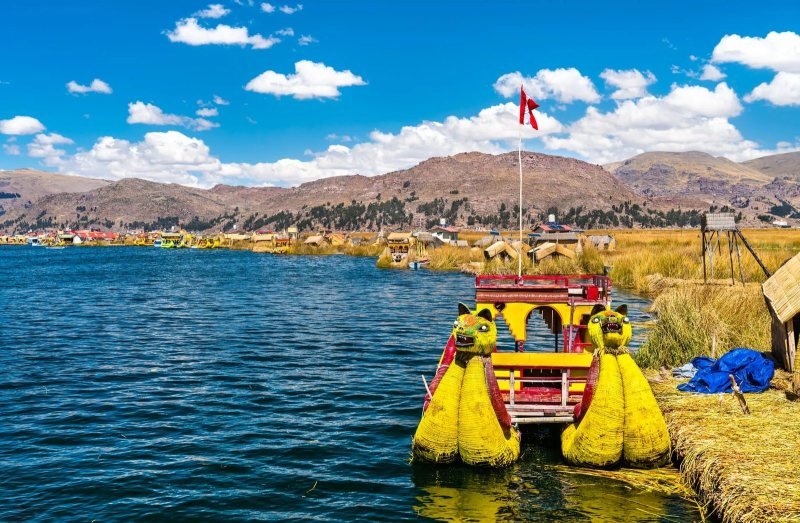
Soles for small things: bathrooms at trailheads, the reed boat ride on the Uros, snacks, tips. Cards work in hotels and restaurants in Cusco, Lima and Puno. US dollars in clean bills are a useful backup, and in Bolivia they are easy to change. Our money guide covers ATMs, tipping and what to carry on a trek.
Machu Picchu
Are Machu Picchu tickets really included?
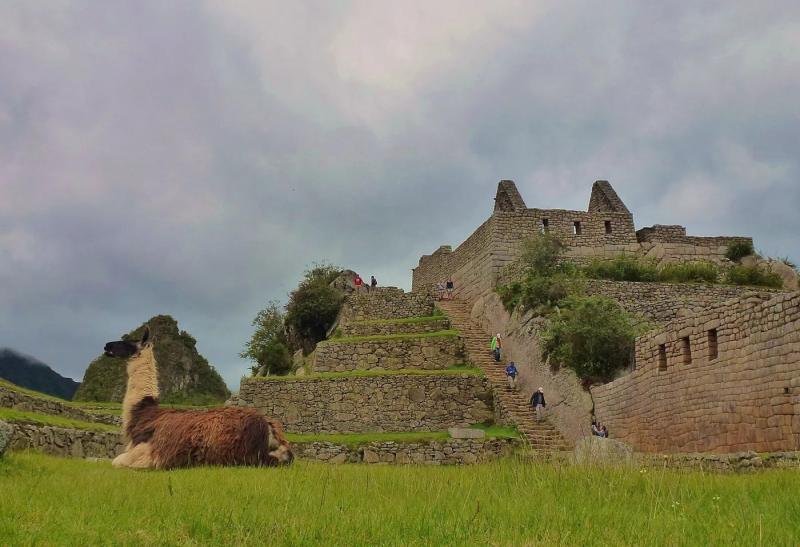
Yes, on every package that visits the citadel. The ticket is bought under your passport name on the Ministerio de Cultura's system for Circuit 2 unless you ask for another route, with the train and the Consettur bus. Only the optional Huayna Picchu and Machu Picchu Mountain tickets are extra. How Machu Picchu tickets work explains the circuits and slots.
Which circuit will I walk, and can I change circuits?
Circuit 2, route 2-A, which passes the classic upper viewpoint and the main temples and allows 2 hours 30 minutes inside. You can ask for Circuit 1 (the viewpoint terraces) or Circuit 3 (the lower town, with the mountain climbs as add-ons) when you book, subject to availability on your date. The circuits guide compares them.
Which train class do the packages include?
The train class named on each package page, round trip between Ollantaytambo or Poroy and Aguas Calientes, with the seat number on your confirmation. Upgrades to a panoramic class are quoted on request. Hand luggage on the trains is limited: Inca Rail allows one bag of up to 8 kg (17 lb) and 118 linear cm (46 in), per its luggage policy, and PeruRail allows one backpack of up to 8 kg (17 lb) and 100 linear cm (39 in), or one carry-on of up to 12 kg (26 lb) and 115 linear cm (45 in). The train guide compares the classes.
Do I need my passport at Machu Picchu?
Yes, the original, not a photo of it. The ticket carries your name and passport number and the gate checks both. The same applies on the trains and at the Inca Trail checkpoint at km 82. If your passport is renewed between booking and travel, tell us, because the ticket has to be reissued with the number on the passport you will carry.
Can I add Huayna Picchu?
Yes, as a separate ticket on Circuit 3 that we buy with your entrance, two to three months ahead because it is the first route to sell out. The climb takes about an hour up steep Inca steps with cables, and the Ministerio de Cultura allows 6 hours on that route. It is not for people with vertigo. Huayna Picchu or Machu Picchu Mountain compares the two climbs.
Health and altitude
How bad is the altitude in Cusco?
Cusco sits at 3,400 m (11,150 ft). The CDC puts the risk of altitude illness at sleeping elevations above 2,450 m (8,000 ft), and most people feel a headache, short breath and poor sleep on the first day, then feel fine by the second morning. Our itineraries keep day one light and put Machu Picchu, which is 1,000 m lower, on day two or three. The Cusco altitude guide has the full picture.
Should I take altitude medication?
Ask your doctor before you travel. The CDC lists acetazolamide at 125 mg every 12 hours, starting the day before ascent, as the standard preventive dose, and it is a prescription drug in the United States. Coca tea eases the headache for many travelers and does nothing for the cause. We are guides, not doctors, and we say so.
Can children and travelers over 70 do these trips?
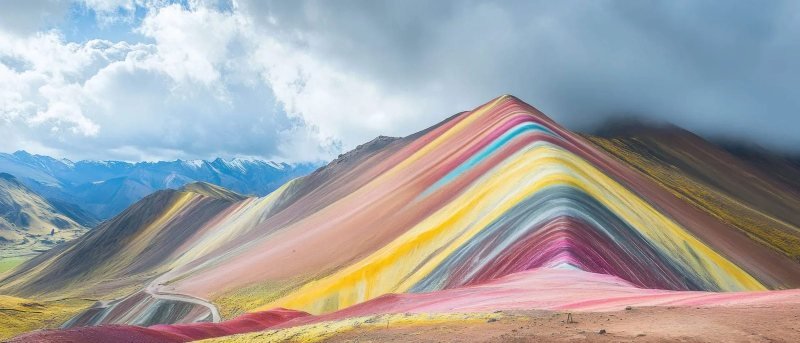
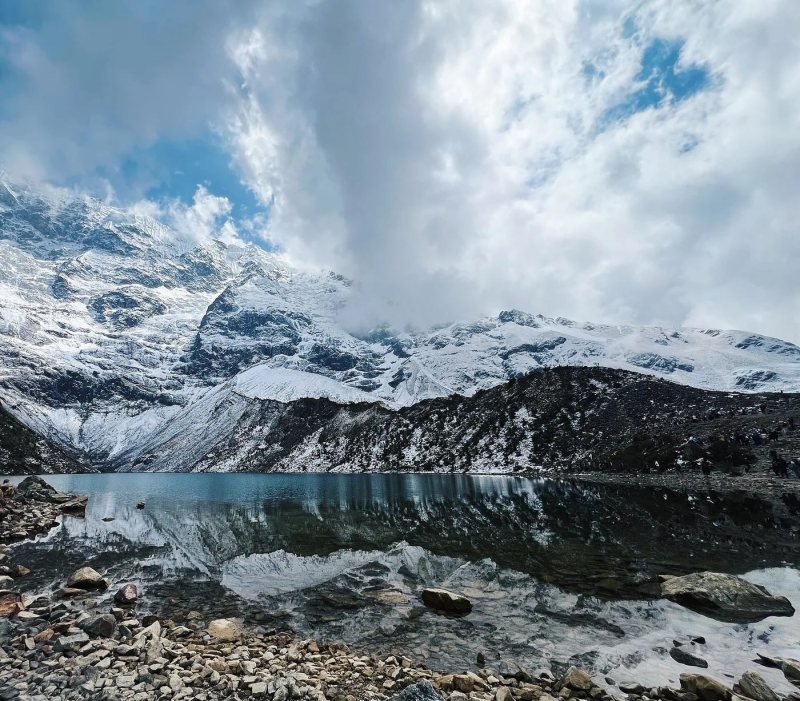
Yes, on the packages and day trips graded easy to moderate, with the first day kept light. Children from about eight and travelers in their seventies do the 4-day Machu Picchu package and the Sacred Valley regularly. The high hikes (Rainbow Mountain, Humantay) and the treks are for fit travelers from day three or four in Cusco. Tell us ages and health when you ask for the quote.
Is Peru safe for US travelers?
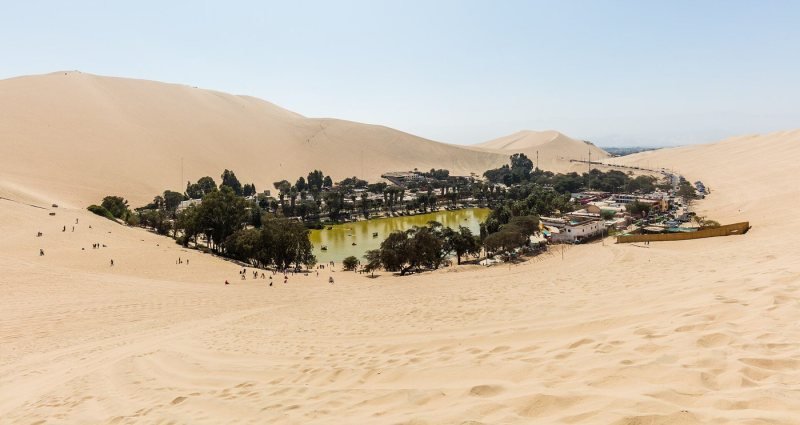
The places our trips go, Cusco, the Sacred Valley, Machu Picchu, Puno and the coast south of Lima, are the main tourist corridors of the country, with a guide or driver beside you on every transfer. The US State Department publishes a Peru travel advisory, and we read it before every season. Our safety guide carries the current level and date and the practical rules for cities, taxis and cash.