
Huchuy Qosqo Day Hike, Plateau to Valley
A full-day hike from the lakes on the plateau above Cusco down to the Inca site of Huchuy Qosqo and on to Lamay in the Sacred Valley. Guide, entrance, box lunch and transport.
From, per personUS$137


Rainbow Mountain, Humantay, Sacred Valley, city tour. From US$27.
All 15 packages
Lima, Nazca, Cusco, Machu Picchu and Lake Titicaca, 6 to 15 days.
All 6 packages
Machu Picchu, both shores of Lake Titicaca, La Paz and Uyuni. 10 to 15 days.
All 8 packages

Cusco, Machu Picchu, a lake ceremony at Llachón and a night on Amantaní, 5 to 12 days.
All 4 packages
Uros, Taquile and the Aymara shore from Puno, or as part of a longer trip.
All 15 packages
Where do you want to go?
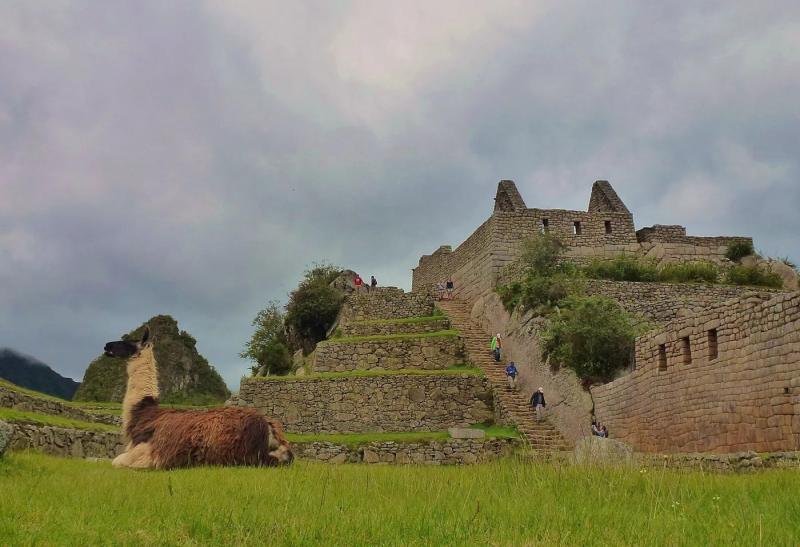
The Inca citadel at 2,430 m (7,970 ft) above the Urubamba River, 3.5 hours from Cusco by road and train, visited on a timed ticket with a guide.
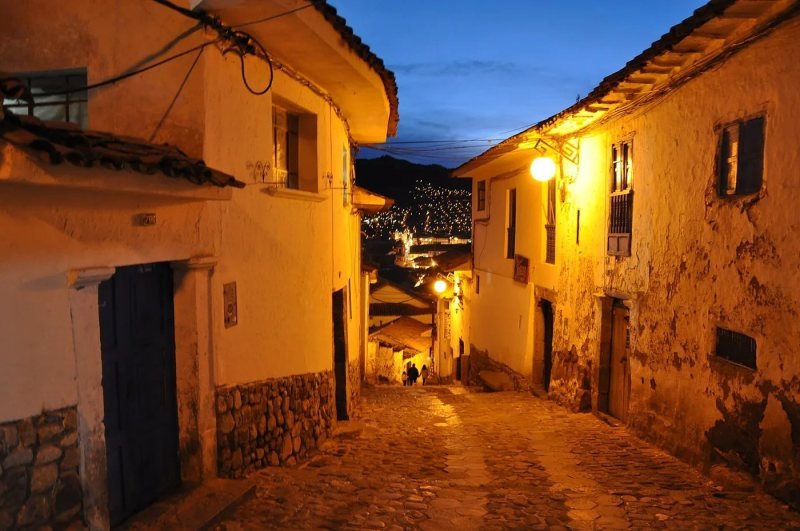
29 packages include itExplore Machu PicchuThe Inca capital at 3,400 m (11,150 ft), 1 hour 20 minutes by air from Lima, where every Machu Picchu trip and every trek starts.
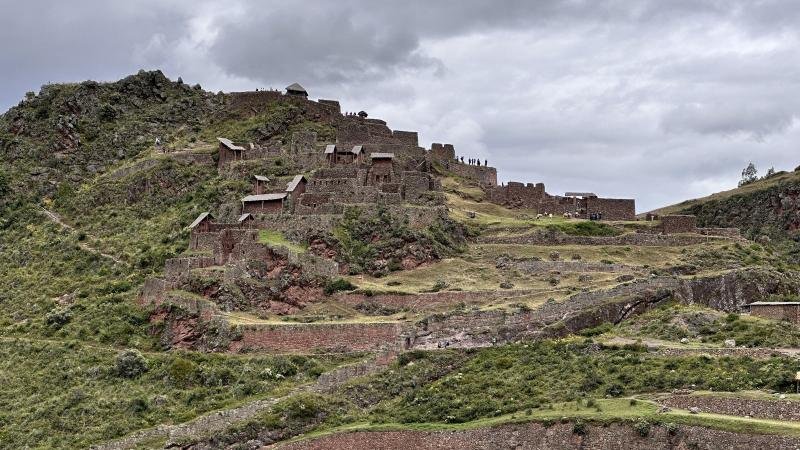
24 packages include itExplore CuscoThe Urubamba River valley between Pisac and Ollantaytambo, about 2,870 m (9,416 ft), one hour north of Cusco and on the train line to Machu Picchu.
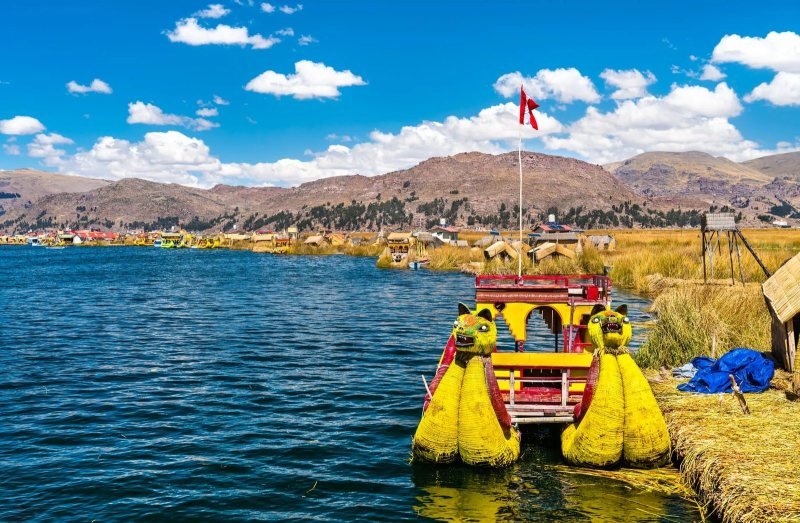
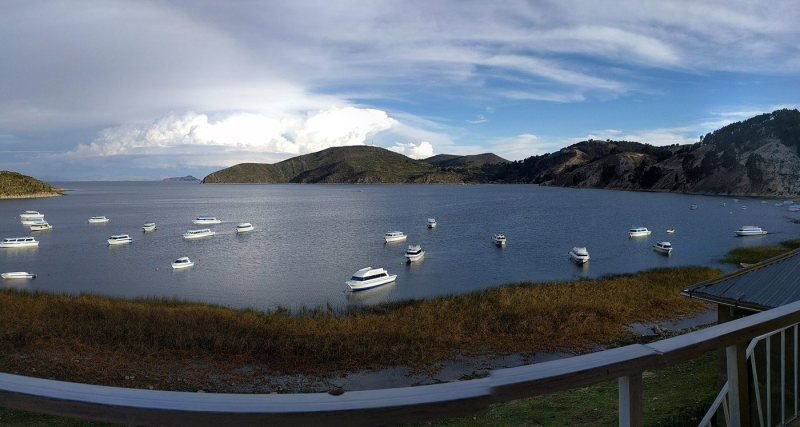
25 packages include itExplore Sacred ValleyThe lake on the Peru and Bolivia border at 3,812 m (12,507 ft): the Uros reed islands, Taquile and the Aymara shore, reached from Puno.
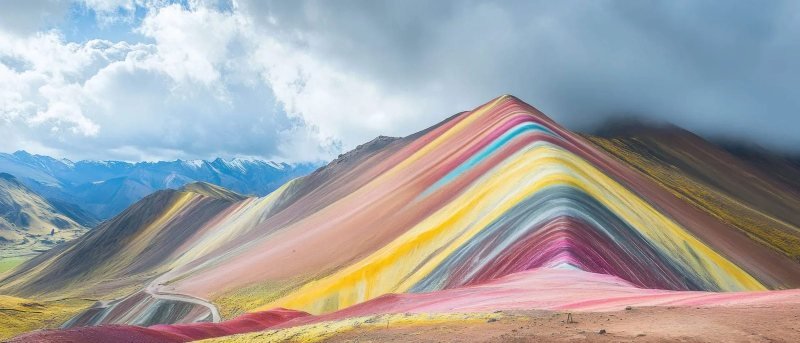
15 packages include itExplore Lake Titicaca and PunoVinicunca, a striped mineral ridge at 5,036 m (16,522 ft) south of Cusco, reached by a 3-hour drive and a 90-minute to 2-hour uphill walk.
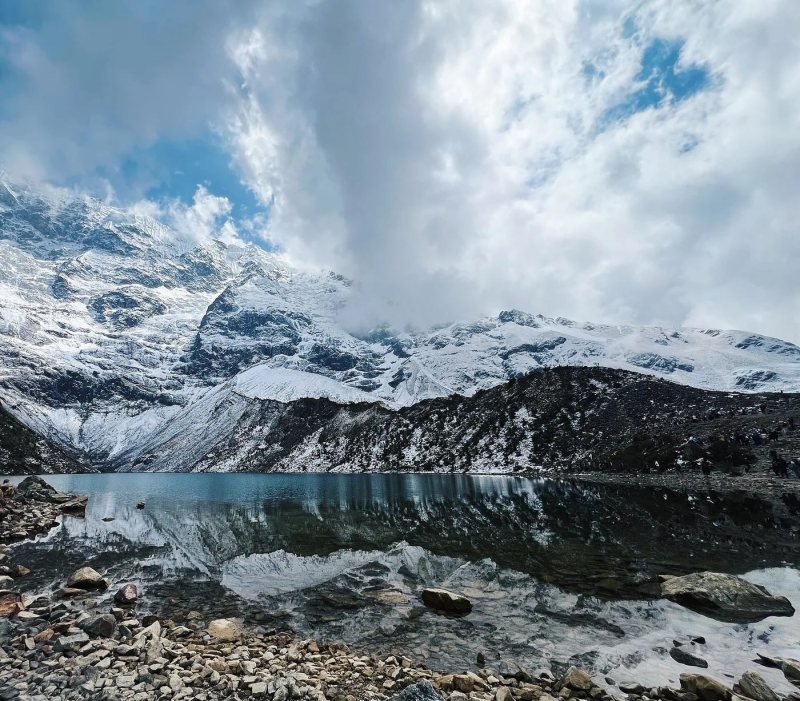
3 packages include itExplore Rainbow MountainA turquoise glacier lake at 4,200 m (13,780 ft) under the Humantay peak, three hours from Cusco by road plus a 90-minute uphill walk from Soraypampa.
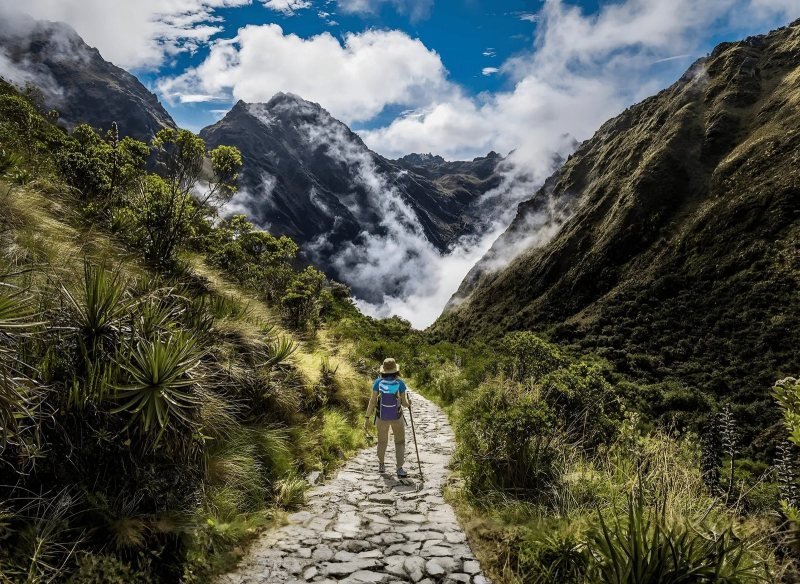
3 packages include itExplore Humantay LakeThe Inca stone road into Machu Picchu: 43 km (26 mi) in 4 days from km 82, over Dead Woman's Pass at 4,215 m (13,829 ft), on a permit limited to 500 people a day.
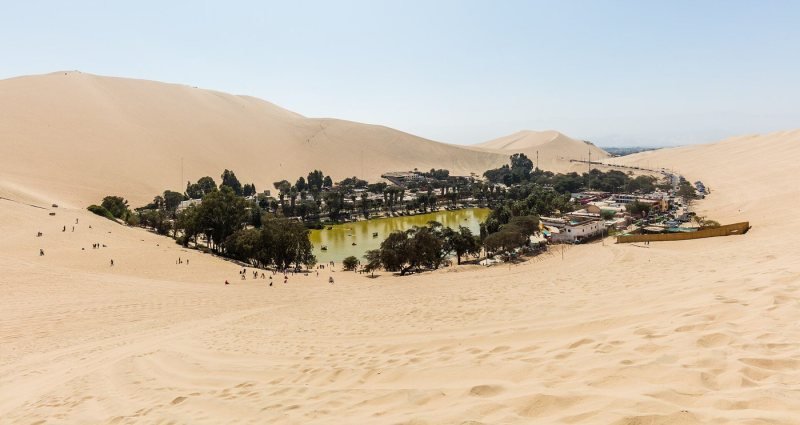
1 package includes itExplore Inca TrailPeru's capital at sea level, where every trip lands, plus the desert coast to the south: Pachacamac, Paracas, Huacachina and the Nazca Lines.
13 packages include itExplore Lima and the coastThe Bolivian side of Lake Titicaca (Copacabana, Isla del Sol), La Paz and the Uyuni salt flats, reached by road from Puno in our Peru and Bolivia tours.
7 packages include itExplore Bolivia
Inca Trail, Salkantay, Lares, Inca Jungle, Choquequirao. From US$137. 7 packages, prices per person in a double room, free quote by email within 24 hours.
Photo: Christoph Strässler, CC BY-SA 2.0, via Wikimedia Commons (source)
A full-day hike from the lakes on the plateau above Cusco down to the Inca site of Huchuy Qosqo and on to Lamay in the Sacred Valley. Guide, entrance, box lunch and transport.

Climb from Lamay in the Sacred Valley to the Inca terraces of Huchuy Qosqo, sleep beside the ruins, and see the valley at sunrise before walking down. A first overnight trek, back in Cusco on day 2.

Bike down from the Abra Málaga pass, hike through coffee country to the Cocalmayo hot springs, walk the railway to Aguas Calientes and tour Machu Picchu on day 4. No camping above 7,000 ft.

Four days down into the Apurímac canyon and up to Choquequirao, a large Inca site with no road to it, then back out the same way. Guide, cook, pack animals and camping included.

Four days through the Lares valley: hot springs, a night with a weaving family, a 15,420 ft pass between glacier lakes, then the train to Aguas Calientes and a guided Machu Picchu visit.

Four days and about 26 miles on the Inca road from KM 82 over Dead Woman's Pass (13,830 ft) to the Sun Gate and Machu Picchu. Permit, guide, cook, porters and camping included.

Five days from the Humantay Lake side over the 15,190 ft Salkantay Pass, down through cloud forest and coffee farms to Aguas Calientes and a guided Machu Picchu visit. No trail permit needed.
Last reviewed October 2026.
Seven treks leave from Cusco: four that end at Machu Picchu (Classic Inca Trail, Salkantay, Lares and the Inca Jungle), one that reaches the ruins of Choquequirao, and two short walks to Huchuy Qosqo above the Sacred Valley. Prices run from US$137 for the Huchuy Qosqo day hike to US$797 for the 4-day Inca Trail, per person in shared service, with the guide, cook, camp and meals on the trail included.
Our recommendation: if you can get a permit, walk the Classic Inca Trail, because it is the only route that enters Machu Picchu on foot through the Sun Gate. If the permits are gone, or you want glaciers more than ruins, take the 5-day Salkantay. Lares is the choice for travelers who want villages and hot springs over big passes. The Inca Jungle is for people who would rather bike and zipline than carry a pack for four days.
The table lists each trek with the days, the highest pass, whether it needs a government permit, whether it ends at Machu Picchu and the price. Two numbers matter more than the distance: the altitude of the pass and the number of nights in a tent.
| Trek | Days | Nights in a tent | Highest point (m / ft) | Permit needed | Ends at Machu Picchu | From (US$ per person) |
|---|---|---|---|---|---|---|
| Classic Inca Trail, 4 days | 4 | 3 | 4,215 / 13,829 (Dead Woman's Pass) | yes, 500 per day including staff | yes, through the Sun Gate | US$797 |
| Salkantay Trek to Machu Picchu, 5 days | 5 | 3 plus 1 hotel night in Aguas Calientes | 4,630 / 15,190 (Salkantay Pass) | no | yes, by bus from Aguas Calientes | US$707 |
| Lares Trek, 4 days | 4 | 2 plus 1 hotel night in Aguas Calientes | 4,700 / 15,420 (Huacahuasi Pass) | no | yes, by train and bus | US$787 |
| Inca Jungle Trail, 4 days | 4 | 0 (hostels) | 4,316 / 14,160 (Abra Málaga, by bike) | no | yes, on foot from Hidroeléctrica | US$607 |
| Choquequirao Trek, 4 days | 4 | 3 | 3,050 / 10,007 (citadel) | no, site entrance only | no | US$767 |
| Huchuy Qosqo Trek, 2 days | 2 | 1 | 4,200 / 13,780 (pass, see notes) | no | no | US$267 |
| Huchuy Qosqo Trek, 1 day | 1 | 0 | 4,200 / 13,780 (pass) | no | no | US$137 |
Four days is the standard: the Inca Trail, Lares, the Inca Jungle and Choquequirao all run 4 days and 3 nights. Salkantay takes 5 days and 4 nights because it crosses the 4,630 m (15,190 ft) pass on day two and still needs two days to walk down to the train line. Huchuy Qosqo fits in one day from Cusco or two with a night in camp. Whatever you pick, arrive in Cusco two nights before the trek starts.
Lares has the highest pass at 4,700 m (15,420 ft), then Salkantay at 4,630 m (15,190 ft) and the Inca Trail at Dead Woman's Pass, 4,215 m (13,829 ft). Choquequirao is lower, with the citadel at about 3,050 m (10,007 ft), but it drops to the Apurímac River and climbs back out twice, which makes it the hardest on the legs. The Inca Jungle is the easiest, with the 4,316 m (14,160 ft) Abra Málaga crossed on a bicycle going downhill. All four treks to Machu Picchu are graded demanding. If you hike regularly and sleep two nights in Cusco first, you will be fine. If you do not, take Lares or the Inca Jungle, or stay with day hikes.
The 1-day Huchuy Qosqo hike costs US$137 and the 2-day version US$267. The Inca Jungle is the cheapest 4-day route at US$607 because two of its nights are in hostels, not tents. Salkantay is US$707 for 5 days, Choquequirao US$767, Lares US$787 and the Inca Trail US$797, where the permit and the porters set the price. None of the treks has hotel tiers.
On the camping treks you walk with a day pack. A cook and a kitchen tent travel ahead of you, and mules or porters carry the tents, food and your 7 kg (15 lb) duffel. The guide carries a first aid kit and oxygen, and sets the pace at the pass. Meals are cooked: breakfast, lunch and dinner on the trail with a hot drink before the sun comes up. Sleeping bags and poles are not included, and we rent them in Cusco, since airlines lose them and nobody wants to carry a bag home. On the Inca Trail the porters are limited by law to 20 kg (44 lb) each, which is why your duffel has a weight limit.
The mistake is arriving in Cusco the day before the trek. Cusco sits at 3,400 m (11,150 ft) and the CDC recommends no more than 500 m (1,650 ft) of sleeping altitude gain per night above 3,000 m (9,800 ft). Two nights in the city and one easy day trip first is the minimum. The second mistake is training for distance and not for stairs: the Inca Trail has thousands of stone steps, and your knees feel them on day three going down. The third is packing for the sun and not for the tent. Nights at the Salkantay camp drop below freezing from May to August. Bring a warm hat and a sleeping bag rated to 14 F (minus 10 C).
Only the Classic Inca Trail needs a permit. The Ministerio de Cultura issues 500 a day including guides, cooks and porters, by name and passport number, and sells them through licensed operators only. The high season dates sell out months ahead, and the trail closes every February for maintenance. Salkantay, Lares, the Inca Jungle and Choquequirao need no permit, but the Machu Picchu ticket at the end is still limited and bought under your name, so book those three to four weeks ahead in high season.
Start with how Inca Trail permits work and when they sell out, then Salkantay or Inca Trail, compared day by day. For the rest of the walks, our guide to the treks from Cusco ranked by effort covers Lares, Choquequirao and the short hikes.
Each place has its own page with altitude, how to get there and every package that includes it.


The Inca Jungle, because its high point is a downhill bike ride, not a climb, and its nights are in hostels. Among the walking treks, Lares has the highest pass but the shortest days. The Inca Trail is the hardest on the knees, with thousands of stone steps, and Salkantay the coldest, with a camp near 4,000 m (13,000 ft). None of them is easy at this altitude.
Inca Trail if you can get the permit and you care about arriving on foot through the Sun Gate past ruins nobody else sees. Salkantay if you want the glacier and Humantay Lake, a permit-free start date, and US$90 less. Salkantay is a day longer, 150 m (490 ft) higher at the pass, and ends with a bus to the gate rather than a walk. Both need two nights in Cusco first.
Only the Classic Inca Trail. The Ministerio de Cultura issues 500 permits a day including the guides, cooks and porters, which leaves roughly 200 for hikers, sold by name through licensed operators. Salkantay, Lares, the Inca Jungle and Choquequirao need no trail permit, but the Machu Picchu entrance at the end is still a dated, named ticket with its own daily limit.
Fit enough to walk 6 to 8 hours a day on uneven ground for three or four days in a row, with a climb of 1,000 m (3,300 ft) on the pass day. If you hike at home once a week and can climb stairs for twenty minutes without stopping, you can do these treks after two nights in Cusco. Our guides set a slow pace on the pass and nobody is left behind.
You carry a day pack with water, layers, sunscreen, snacks and a rain jacket, about 5 kg (11 lb). The crew carries the tents, food, kitchen and a duffel of your clothes up to 7 kg (15 lb). Sleeping bags, poles and air mattresses are not included. Rent them in Cusco at the briefing the night before.
Every February, for maintenance after the rains. The rest of the year it is open, with the dry season from May to September being the busiest and the driest. The other treks run all year, though December to March brings afternoon rain and muddy descents. We rate April and October as the sweet spot: green valleys, fewer hikers, mostly dry trails.
Send your dates and who is traveling. A planner on our team in Cusco replies with the package that makes sense, or a custom plan.