


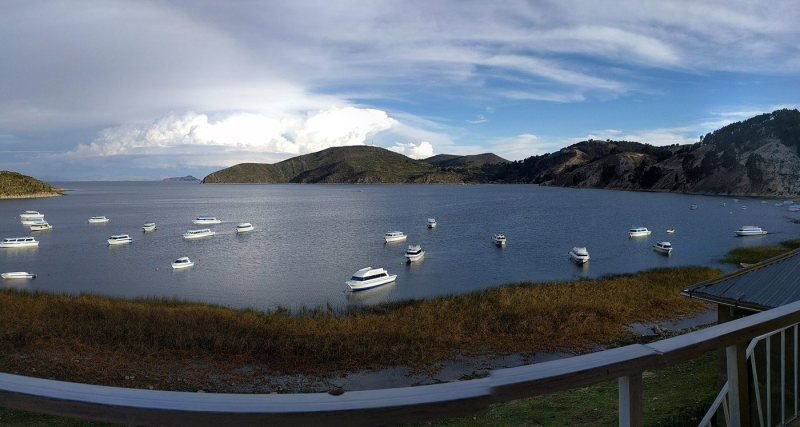
Copacabana and Isla del Sol: The Bolivian Side of Titicaca
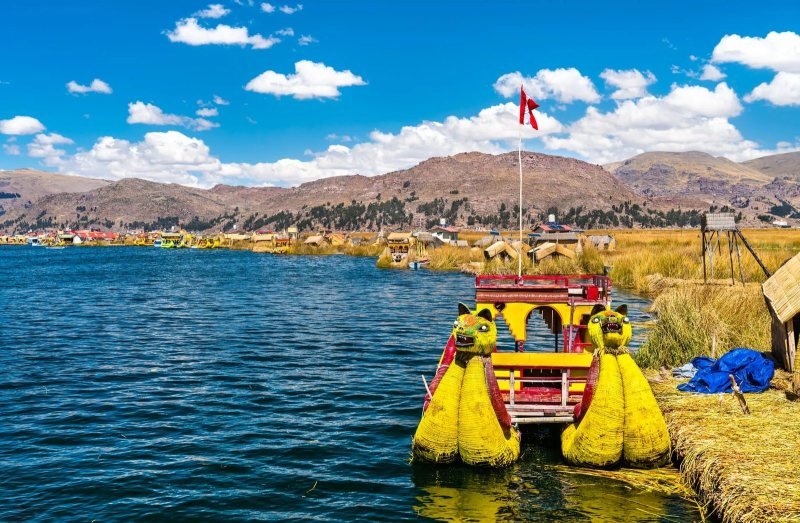
Copacabana is the Bolivian lakeside town where boats leave for the Isla del Sol, the island Inca belief names as the birthplace of the sun. It sits at 12,602 ft (3,841 m), about 88 mi (142 km) from Puno through the Kasani border. Plan one night in town and a full day on the island, two nights to sleep on it.

In this guide
Short answer: Copacabana is the Bolivian town on Lake Titicaca where the boats leave for the Isla del Sol, the island Inca belief names as the birthplace of the sun. The town sits at 12,602 ft (3,841 m), about 88 mi (142 km) from Puno by road through the Kasani border post. Give it one night and one full day on the island, two nights if you want to sleep on the island.
Copacabana, the town on the shore
Copacabana is a pilgrimage town of about 6,000 people wedged between two hills, Cerro Calvario and Cerro Niño Calvario, on a bay of the southern lake. The whole place turns on its basilica, a white church of the 17th century that holds the Virgen de Copacabana, the patron saint of Bolivia. The statue was carved in 1582 by Francisco Tito Yupanqui, and pilgrims arrive all year, with the big crowds on February 2 and in the first week of August.
Most mornings, in front of the basilica, cars and minibuses decorated with flowers wait while a priest sprinkles holy water on the hood and the owner pours a little beer on the tires. Drivers come from La Paz for the blessing. Stand to the side and watch. Nobody minds.
Walk up Cerro Calvario for sunset. The path climbs past the stations of the cross above the pier, and it hurts at this altitude, so leave 45 minutes. Eat on the waterfront afterward, where the restaurants grill lake trout, the one dish the town does well. The mistake people make is treating Copacabana as a lunch stop between Puno and La Paz. The island needs a full day, and the town is at its calmest in the evening, after the day buses have gone.
Isla del Sol: what is on the island
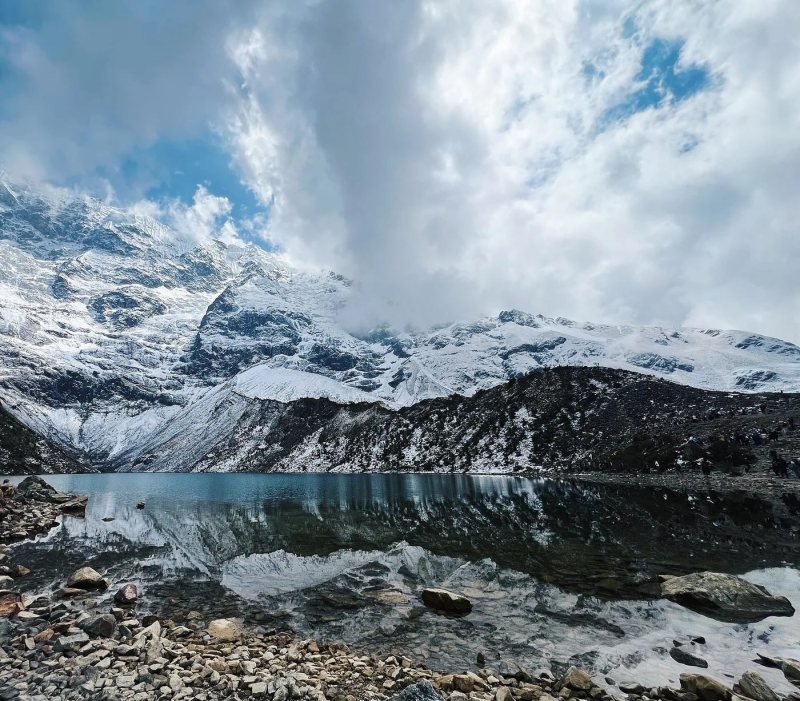
The Isla del Sol is a rocky island of 5.5 sq mi (14.3 km²), about 6 mi (9.6 km) long, with a ridge rising to 13,370 ft (4,075 m) at Cerro Chequesani. Around 800 families live on it in three communities, Yumani in the south, Challa in the middle and Challapampa in the north. There are no cars and no paved roads. You arrive by boat and you move on foot, on paths that follow the spine of the island between terraced fields of potatoes and quinoa.
People have lived here for at least 4,000 years, and under the Incas the island became one of the holiest places in the empire. In the version recorded by the chronicler Bernabé Cobo, the sun rose for the first time from the sacred rock at the north end, and the first Inca, Manco Cápac, came out of the same rock. More than 80 ruins survive, most from the Inca period of the 15th century.
The south: Yumani and the Inca stairway
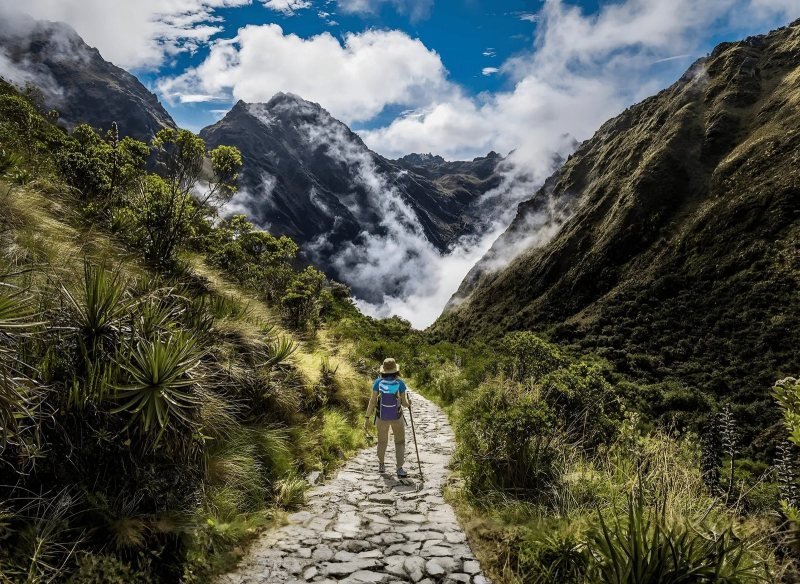
Boats from Copacabana land first at Yumani. From the dock the Escalera del Inca, a stone stairway attributed to the Incas, climbs steeply past the Fuente del Inca, a spring with three spouts that local tradition links to youth and health. Drink bottled water instead. The stairway is the hardest part of most visits: short, but straight up from 12,500 ft. Yumani has the island's guesthouses and the sunset view, west over the lake toward Peru. The palace ruins of Pilko Kaina, a two-story Inca building on a terrace above the water, sit a short walk south of the village.
The north: Challapampa, the Chincana and the sacred rock
The north holds the sites that carry the legend: the Titikala or sacred rock, the Chincana, a stone labyrinth of rooms and passages, and a ceremonial table. Challapampa is the landing village. The ridge walk from Yumani to the north takes about three hours one way, with the lake on both sides and the snow peaks of the Cordillera Real to the east on a clear day. Each community collects an entry fee in bolivianos at its dock and on the path, so carry small notes.
Is the Isla del Sol open to visitors?
The south of the island, around Yumani, has stayed open to visitors. The north has not always been. A dispute between the communities of Challa and Challapampa began in 2017, when cabins for tourists were built close to the Chincana ruins and torn down, and it kept the central and northern parts of the island closed to outsiders for several years, with boats turned away from Challapampa. Access has been restored at times and has changed more than once.
What to do with that: ask at the Copacabana pier, the day before, which landings the boats are using, and do not pay for a north landing until a captain confirms it. If the north is closed, the south still gives you the stairway, Pilko Kaina, the terraces and the sunset, and the ridge walk as far as the community line.
Boats and how long to stay
Boats leave the Copacabana pier at about 8:30 a.m. and 1:30 p.m. The crossing takes about 90 minutes to Yumani and two to two and a half hours to the north, and return boats leave the island in the mid afternoon. The boats are slow and open at the sides, and the lake wind picks up after noon, so take a windproof layer, a hat and sunscreen for the deck.
Two plans work. The day trip takes the morning boat, climbs the stairway, walks the southern paths and returns on the afternoon boat, with three to four hours on the island. The better plan sleeps one night in a simple guesthouse in Yumani and walks the ridge the next morning. Nights are cold, hot water comes and goes, and you want a headlamp.
From Puno to Copacabana
The road from Puno runs along the lake's southern shore for about 88 mi (142 km) to the Kasani border post, then drops into Copacabana a few miles later. A direct bus takes about three hours plus the time at the border. Our Puno to Copacabana route spends the whole day on the same road with a guide, stopping at Chucuito, the carved rock of Amaru Muru and the churches of Juli, with lunch, before the crossing. It is one way, so it suits travelers who go on to Isla del Sol and La Paz.
The border at Kasani
You get off, take the Peruvian exit stamp, walk a few hundred yards across the line and present yourself at the Bolivian post. US citizens need no tourist visa for Bolivia since December 1, 2025, per the U.S. Embassy in La Paz (checked October 2026). Bring a passport valid six months, your Copacabana hotel address and the yellow fever vaccination card that the CDC lists as a Bolivian entry requirement. Bolivia also asks visitors to pre-register online before arrival. Our Bolivia guide for US travelers has the checklist. Two small things trip people up: Bolivian time runs one hour ahead of Peru, so set your watch forward at the border, and the ATMs in Copacabana run dry, so change some money before you cross.
From La Paz to Lake Titicaca
From the other direction, the bus ride from La Paz takes about four hours, crossing the Strait of Tiquina where passengers ride a launch and the bus goes over on a wooden barge. Our Peru and Bolivia tours drive this road in the opposite order, from Puno through Copacabana to La Paz in one day, and an Isla del Sol day is quoted as an add-on when you ask for it.
Altitude and the season
Copacabana is about 1,450 ft (440 m) higher than Cusco and a little higher than Puno, and the island paths climb from there. Do this part of the trip last, after Cusco and a night in Puno, and treat the stairway at Yumani as a slow walk. Our Lake Titicaca facts guide explains the altitude and the lake's two shores. The dry season, May to October, brings clear skies and calm water, with nights below freezing from June to August. Summer, December to March, brings afternoon rain and rougher crossings, green terraces and thin crowds.
| Fact | Value | Source |
|---|---|---|
| Copacabana altitude | 3,841 m (12,602 ft) | en.wikipedia.org |
| Copacabana population | about 6,000 (2006 census) | en.wikipedia.org |
| Puno to Copacabana | about 142 km (88 mi) by road via Kasani, about 3 hours by direct bus plus the border | peruhop.com |
| Isla del Sol area | 14.3 km² (5.5 sq mi), 9.6 km (6 mi) long | es.wikipedia.org |
| Isla del Sol highest point | Cerro Chequesani, 4,075 m (13,370 ft) | es.wikipedia.org |
| Communities | Yumani (south), Challa (center), Challapampa (north), about 800 families | en.wikipedia.org |
| Boat Copacabana to Yumani | about 1.5 hours, departures about 8:30 a.m. and 1:30 p.m. | bolivianlife.com |
| Boat Copacabana to Challapampa | about 2 to 2.5 hours | bolivianlife.com |
| Visa for US citizens | not required for tourism since December 1, 2025 (as of October 2026) | bo.usembassy.gov |
| Yellow fever | proof of vaccination required at entry for travelers 1 year and older (CDC) | wwwnc.cdc.gov |
| Time zone | Bolivia is one hour ahead of Peru |
Sources
- Copacabana, Bolivia, Wikipedia (altitude, population, basilica, feast days)
- Isla del Sol, Wikipedia in Spanish (area, length, highest point, communities, sites)
- Isla del Sol, Wikipedia (families, ruins, occupation since 2200 BC, origin myth)
- Isla del Sol, Wikivoyage (community dispute, closures, fees, ridge walk)
- U.S. Embassy La Paz, visitor visas no longer required (December 3, 2025)
- CDC, Bolivia traveler page (yellow fever entry requirement)
Questions people ask
Is Isla del Sol open to visitors?
The southern end around Yumani, yes. The north, with the sacred rock and the Chincana, has been closed to outsiders for long stretches because of a dispute between the Challa and Challapampa communities that began in 2017, and access has shifted more than once since. Check with the boat companies on the Copacabana waterfront before you buy a north landing.
How do you get from Puno to Copacabana?
By road along the lake, about 88 mi (142 km), through the Kasani border post. A direct bus needs about three hours plus the border. Our one-way Puno to Copacabana day tour stops at Chucuito, Amaru Muru and Juli with a guide, handles the crossing and arrives in the late afternoon. Hotels are not included.
Do US citizens need a visa for Bolivia?
No, not for tourism (as of October 2026). The U.S. Embassy in La Paz announced the end of the tourist visa requirement in December 2025. Bring a passport valid six months, your hotel address and the yellow fever vaccination card the CDC lists as an entry requirement, and complete Bolivia's online pre-registration before you reach the border.
How long is the boat ride to the island from Copacabana?
Roughly 90 minutes to Yumani at the south end and two to two and a half hours to Challapampa in the north on the regular tourist boats, with departures around 8:30 a.m. and 1:30 p.m. and returns in the mid afternoon. Sit on the right going out for the Cordillera Real, and expect wind on the way back.
How many days do you need for Copacabana and the island?
Two days with one night in Copacabana covers the town, the sunset from Cerro Calvario and a full day on the island. Three days, with a night in a guesthouse on Yumani, lets you walk the ridge to the north without watching the clock. An hour between buses is a mistake: you see a pier and a church and miss the reason to come.
This guide was last reviewed in October 2026. Prices, rules and timetables are quoted with the date we checked them.