


Is Peru Safe for Tourists? A Straight Answer from Cusco
Yes, for the trips most Americans take. The US State Department keeps Peru at Level 2, exercise increased caution, with stricter advice only for remote zones far from Lima, Cusco, Machu Picchu and Lake Titicaca. The risks that touch tourists are pickpockets, street taxis, ATM scams and strikes that close roads. Each has a simple answer.

In this guide
Short answer: Yes, for the trips most Americans take. The US State Department advisory for Peru stands at Level 2, exercise increased caution (reported as of September 4, 2026, see the box below), with stricter advice only for the VRAEM valley and the border zones with Colombia, far from Lima, Cusco, Machu Picchu and Lake Titicaca. Canada's advice, updated September 11, 2026, says the same in its own scale. The risks that touch visitors are pickpockets, taxis hailed on the street, ATM crime and strikes that close roads, and each has a simple answer. We have run trips for Americans through all of it, and the problems we see are small and avoidable.
What the official advisories report
Two governments publish dated advice, and the box below is what we found when we checked. The US State Department page itself blocked our automated check, so the Level 2 figure comes from press and advisory trackers quoting it, and you should open travel.state.gov yourself before booking and enroll in the Smart Traveler Enrollment Program (STEP) so the embassy in Lima can reach you.
Canada's page, which we could open, lists Peru as exercise a high degree of caution because of crime, social conflict and strikes, and tells travelers to avoid all travel to the VRAEM (the valley of the Apurímac, Ene and Mantaro rivers) and non-essential travel to the upper Huallaga valley and to a 20 km strip along the borders with Colombia and Ecuador. None of those places is on a tourist route. The towns Canada names for frequent petty crime are Lima, Cusco and Puno, which is where you will be, and the crimes it names are pickpocketing and bag snatching.
Safety by region
Lima
Lima is a city of ten million with the problems of a big city, and visitors stay in a small part of it: Miraflores, Barranco and San Isidro, by the sea, where you can walk in the evening along the cliffs and the restaurant streets. The historic center is fine by day with a guide and empty after dark. Phone theft is the crime that happens to tourists here, usually a hand through a car window or a snatch on a crowded street. Keep the phone away from the curb, and take hotel-booked taxis or a ride app between districts.
Cusco and the Sacred Valley
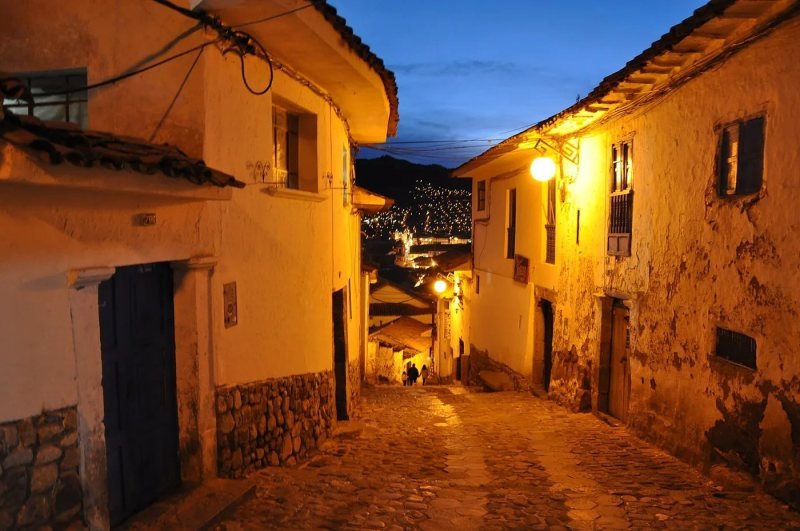
Cusco is the safest big town on your route and the one with the most tourists, which means the most pickpockets. The plaza, San Pedro market and the bus terminal are where wallets go missing. Walk with your bag in front in the market, leave the passport in the hotel safe, and do not follow anyone who offers a massage, a club or a deal on the plaza at night. The Sacred Valley and Aguas Calientes are small-town calm, and the only risk on the trails is the altitude and the weather.
Puno and the lake
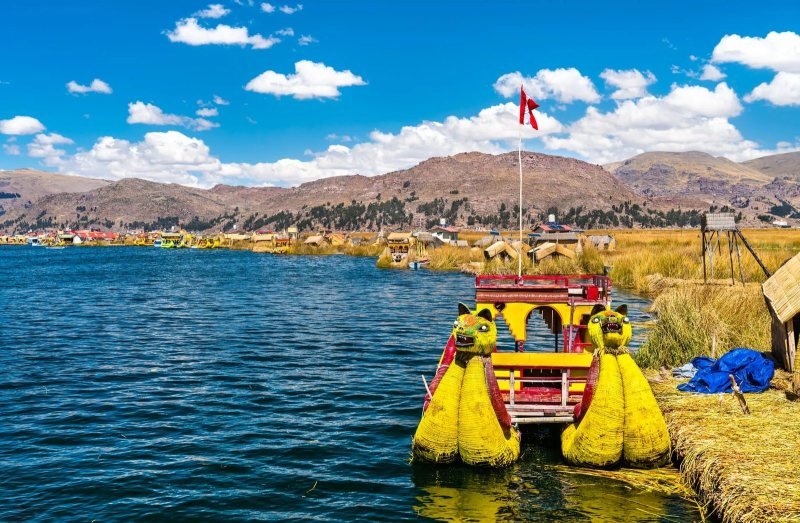
Puno is where our lake trips start, and it is a working highland city rather than a tourist town. The pier, the bus terminal and Jirón Lima are where petty theft happens, as Canada's advice notes. The islands and the lakeshore communities are among the safest places in Peru, because everyone knows everyone. Juliaca, the city with the airport, is rougher: get through it in a booked transfer rather than exploring. If you cross to Bolivia, read our guide to Bolivia for US travelers for the other side.
Taxis and transfers
The one habit that removes most risk is never hailing a taxi on the street. Official advice from both governments warns of express kidnappings, where a criminal posing as a taxi driver takes a passenger to ATMs to empty an account, and the advice is the same in every city: use a taxi booked through your hotel or a ride app, or a transfer arranged in advance. On our trips every transfer is booked with a named driver, from the airport pickup in Lima to the drop at Juliaca, which is the part of the trip we are most careful about. The hub for how our trips handle transfers explains what is included on each package.
Scams and money
The scams in Peru are small and old. Counterfeit soles in change, a taxi meter that was never on, a price agreed in soles and charged in dollars, a street changer with a quick count. The answers are small too: learn what a real S/50 looks like, agree the taxi fare before you get in, carry small notes and change money at a counter. At ATMs, use machines attached to a bank in daylight, cover the keypad and decline the on-screen conversion. Fake police asking to inspect your money or documents in the street are rare in Peru but not unknown: a real officer does not need your wallet, and you can insist on going to a station. Our money guide has the detail on cash, cards and counterfeits.
Protests and strikes
Strikes are the risk that most often changes an itinerary, more than crime. Peru has regional and national strikes (paros) called by transport unions, farmers or political groups, sometimes with a few days' notice and sometimes with none, and they can block highways, close the Cusco airport road or stop the trains to Machu Picchu for a day. Canada's advice puts it plainly: demonstrations occur frequently, often with little or no notice.
What we do: watch the local news and the operators' notices, move a Machu Picchu day earlier or later when a strike is announced, and keep a spare day in longer itineraries so a lost day does not cost you the citadel. What you do: never try to cross a blockade on foot or by car, stay away from demonstrations even when they look festive, and buy travel insurance that covers trip interruption. Most strikes end within a day, and the ones that affect tourists are usually announced in advance.
Health and the outdoors
The thing most likely to make you unwell in Peru is altitude, not crime. Cusco at 3,400 m (11,150 ft) and Puno at about 3,830 m (12,560 ft) give most new arrivals a headache and a bad first night, and a few people a real illness that needs descent and a doctor. Read our Cusco altitude guide and talk to your doctor before you fly. After altitude come stomach upsets from water and street food, and sunburn at the lake, where the sun at 12,500 ft burns pale skin in half an hour. Drink bottled or filtered water, eat cooked food on your first days, and wear a hat on the boat.
Peru is also earthquake country. Hotels post evacuation routes, and the rule is the same as in California: drop, cover, hold on, then follow the staff outside. Serious earthquakes are rare in the highlands, and the risk is not a reason to skip the trip.
Solo travelers and women
Many of our guests are women traveling alone, and Cusco, the Sacred Valley and the lake work well for them. The advice is the usual: hotel-booked taxis at night, a drink you watched being poured, and a firm no to persistent sellers on the plaza. Catcalling happens in Lima and less in the highlands. Group day tours are an easy way to have company on the long days, and the homestays on Amantaní are run by families who host solo women every week.
The honest summary
Peru is a Level 2 country in the State Department's scale, the same level as most of Western Europe, with a few remote zones that carry stricter advice and that no tourist itinerary visits. The crimes that reach visitors are theft and taxi scams, both avoided by habits you already have in any big city. The disruption that reaches visitors is strikes, which a local agency handles by moving days. Book the trip, enroll in STEP, read the advisory the week before, and spend the worry on the altitude instead. The entry requirements guide covers the passport and insurance side of the same preparation.
| Fact | Value | Source |
|---|---|---|
| US State Department advisory | Level 2, exercise increased caution, with Level 3 and 4 zones in the VRAEM and the Colombia border area (reported as of September 4, 2026, confirm on travel.state.gov) | travel.state.gov |
| Government of Canada advice | exercise a high degree of caution, avoid all travel to the VRAEM, and avoid non-essential travel to the upper Huallaga valley and within 20 km of the Colombia and Ecuador borders | |
| Cities named for petty crime | Lima, Cusco, Puno (pickpocketing, bag snatching) | |
| Taxis | use hotel-booked taxis or ride apps, since express kidnappings by fake taxis are reported | |
| Strikes | demonstrations occur frequently, often with little or no notice | |
| Main health risk | altitude illness above 2,450 m (8,000 ft) | |
| Register your trip | STEP, step.state.gov |
Sources
Questions people ask
What does the US State Department say about Peru?
Peru is at Level 2, exercise increased caution, for crime, unrest and kidnapping, with Do Not Travel advice for the Colombia border area in Loreto and stricter levels for the VRAEM valley (reported as of September 4, 2026, from trackers quoting travel.state.gov, since the page blocked our check). Lima, Cusco, Machu Picchu and Lake Titicaca sit in the Level 2 zone. Read the page yourself before you book.
Is Cusco safe at night?
The center is, with the habits of any tourist city. The plaza, San Blas and the restaurant streets are busy and lit until late, and the risks are pickpockets, persistent touts and the odd bar that overcharges. Take a hotel-booked taxi back after midnight rather than walking dark streets uphill, keep your phone out of sight, and leave the passport in the safe.
Is Lima safe for tourists?
The districts tourists use, Miraflores, Barranco and San Isidro, are safe to walk by day and in the evening along the main streets. Phone snatching is the common crime, so keep the phone away from the curb and the car window. Use hotel-booked taxis or a ride app between districts, visit the historic center by day with a guide, and avoid the outer districts entirely.
Are the strikes in Peru dangerous for tourists?
Rarely dangerous, often disruptive. Strikes block roads and sometimes stop the Machu Picchu trains for a day, and the rule is never to cross a blockade and to stay away from demonstrations. We move days around announced strikes and keep a spare day on longer trips. Buy insurance with trip interruption cover and follow your guide's instructions on the day.
Is it safe to drink the water in Peru?
No, not from the tap. Drink bottled or filtered water, including for brushing your teeth in your first days, and avoid ice in small restaurants. Hotels and trek crews provide boiled or filtered water, and a refillable bottle with a filter cuts the plastic. Cooked food from busy restaurants and markets is fine. Stomach trouble, not crime, is the second most common problem after altitude.
Is Peru safe for a woman traveling alone?
Yes, with city habits. Many of our guests are solo women, and Cusco, the Sacred Valley, Machu Picchu and Lake Titicaca suit them well. Use hotel-booked taxis at night, watch your drink, say a firm no to touts, and join group day tours on the long days. Catcalling is more common in Lima than in the highlands. The island homestays host solo women every week.
Is Machu Picchu safe?
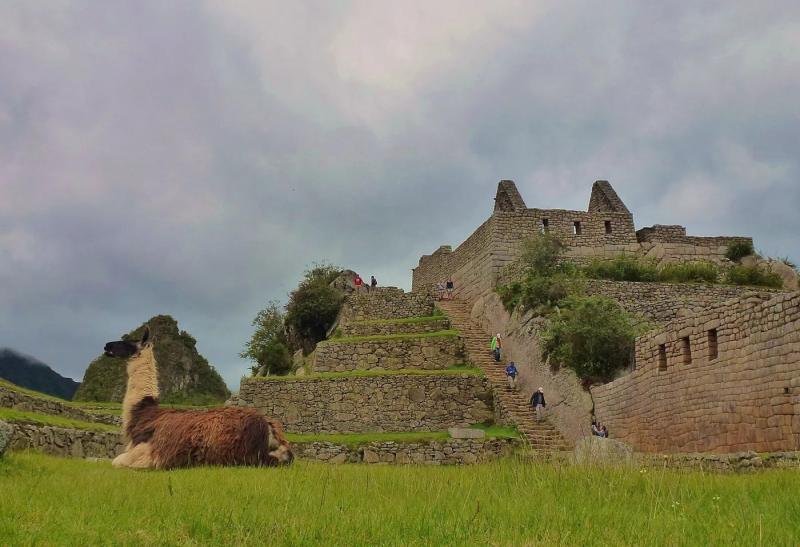
Yes. The citadel is a controlled site with guards, timed entry and one-way circuits, and the risks are a twisted ankle on wet stone, sunburn and the altitude of the days before. Aguas Calientes is a small town with no notable crime. The one planning risk is a strike or a landslide stopping the trains, which is why we book the visit with a buffer day on longer trips.
This guide was last reviewed in October 2026. Prices, rules and timetables are quoted with the date we checked them.