



Aguas Calientes, Peru: The Town Below Machu Picchu
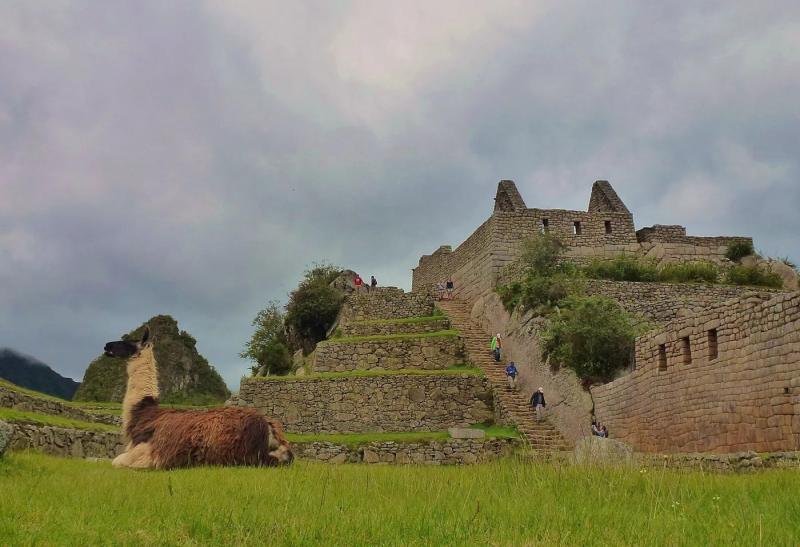
Aguas Calientes, officially Machu Picchu Pueblo, is the small town at 6,690 ft (2,040 m) at the foot of Machu Picchu. No road reaches it: you arrive by train or on foot, and a bus climbs to the ruins in about 25 to 30 minutes. One night here lets you enter Machu Picchu early.

In this guide
Short answer: Aguas Calientes, officially Machu Picchu Pueblo, is the small town at 6,690 ft (2,040 m) at the foot of Machu Picchu. No road reaches it. You arrive by train or on foot, and a bus climbs from town to the ruins in about 25 to 30 minutes. One night here lets you enter Machu Picchu early.
| Item | Detail | Source |
|---|---|---|
| Official name | Machu Picchu Pueblo (Machupicchu), Urubamba province, Cusco | Wikipedia |
| Altitude | 6,690 ft (2,040 m) | Wikipedia infobox, same value as the site's altitude guide |
| Distance to the citadel | About 3.7 mi (6 km) | Wikipedia |
| Road access | None, train or on foot only | Wikipedia, PeruRail |
| Train from Ollantaytambo | About 1.5 to 2 hours | PeruRail |
| Train from Poroy (Cusco) | About 3.5 to 4 hours | PeruRail |
| Bus to the entrance | About 25 to 30 minutes | Operator information as published by travel guides |
Aguas Calientes at a Glance
Machu Picchu Pueblo grew up around the railway in a narrow gorge where a hot stream joins the Urubamba River, which is why everyone calls it Aguas Calientes, Spanish for hot water. It is the seat of the Machupicchu district and the closest town to the citadel, about 3.7 miles (6 km) away, per Wikipedia. The whole town is walkable in 15 minutes from end to end, and it is steep.
The air feels different from Cusco. You are about 4,450 ft (1,360 m) lower, in cloud forest, and it is humid and mild. People pack for the cold Cusco mornings and then sweat through their fleece here. Bring a rain jacket and bug spray in any month.
Map of the Town
Think of Aguas Calientes as a Y. The train station and the craft market sit at the bottom by the river. From the small Plaza Manco Cápac, Avenida Pachacútec climbs uphill for about a third of a mile (600 m) in a straight line to the hot springs. Along the river, Avenida Hermanos Ayar runs downstream past the bus stop and the bus ticket office toward Puente Ruinas, the bridge at the foot of the Machu Picchu road, about a mile (1.7 km) from the town center in a straight line.
Almost every hotel, restaurant and shop fits inside that Y. There are no cars in town, only the buses on the riverside road, so plan to carry your bag from the train or pay a porter.
How to Get to Aguas Calientes
Aguas Calientes is reachable only by train or on foot, and no car or taxi can drive there. Most travelers take the train from Ollantaytambo, about 1.5 to 2 hours, or from Poroy near Cusco, about 3.5 to 4 hours, per PeruRail. PeruRail and Inca Rail both run the line. Read our guide to getting to Machu Picchu for classes, stations and the rainy-season bus link from Cusco.
The cheaper way in is by road to Hidroeléctrica, a hydroelectric plant on the far side of the mountain, then a walk of about 6 miles (10 km) along the tracks, 2 to 3 hours on flat ground. Hikers on the Salkantay and Inca Jungle routes arrive this way. The Inca Trail ends at the citadel itself, and trekkers come down to town by bus.
The Bus to Machu Picchu
The bus is the only motor transport between Aguas Calientes and the Machu Picchu entrance, a ride of about 25 to 30 minutes up a switchback road. You board on Avenida Hermanos Ayar by the river. The road has been run for years by Consettur, and since its concession ended a second company, San Antonio de Torontoy, also carries passengers while the provincial government of Urubamba prepares a new tender, per Infobae (September 23, 2026).
| Item | What we found | Source |
|---|---|---|
| Operators | Consettur and San Antonio de Torontoy, while a new tender is prepared | Infobae, September 23, 2026 |
| Round-trip fare, foreign adult | Published figures range from US$24 to US$35. The operator's website did not load for us, so confirm at the ticket office | machupicchuterra.com (updated May 20, 2026), theonlyperuguide.com |
| First bus up | About 5:30 a.m. | machupicchuterra.com, theonlyperuguide.com |
| Last bus down | Around 5:30 to 6:00 p.m. | machupicchuterra.com, theonlyperuguide.com |
| Where to buy | Bus ticket office in town, next to the riverside boarding point | theonlyperuguide.com |
Fares and hours are in the box below. Buy your bus ticket the afternoon before so you only face one line in the morning. In the dry months the queue for the first buses starts well before dawn and stretches along the river, and people with a 6 a.m. entry who show up at 5:30 a.m. miss their slot.
The alternative is the stone staircase from Puente Ruinas, about 1.5 hours straight up through the forest, crossing the bus road several times. Our advice: ride up so you start the visit fresh, and walk down if your knees are good.
Things to Do in Aguas Calientes
Aguas Calientes is a place to rest between the train and the ruins, and a half day here is enough. These are the things worth your time, in our order of preference.
Museo de Sitio Manuel Chávez Ballón
The Machu Picchu site museum, run by the Ministerio de Cultura, stands near Puente Ruinas at kilometer 112 of the railway, with an orchid garden around it. It explains how the citadel was built and lived in, with objects found on site. Visit it the afternoon before your entry and the ruins make far more sense the next morning. Travel listings give its hours as 9 a.m. to 4 p.m. every day, so arrive by 3 p.m.
Mandor Gardens and Waterfall
Mandor is a family-owned garden and waterfall in the forest downstream from town. The walk follows the railway past Puente Ruinas, about 1 to 1.5 hours each way on the flat, and the family who owns the land charges a small entrance fee in soles. Birders like the morning here. Walk on the side of the tracks and step well off when a train comes.
The Hot Springs
The municipal hot springs (baños termales) sit at the top of Avenida Pachacútec, about 10 minutes uphill from the plaza. They are open-air pools of warm spring water under the cliffs, and the fee is small, a few soles. After a day on your feet at Machu Picchu or four days on a trail, a soak feels good. Go early in the morning or around dinner time, since the pools fill up with trekkers in the afternoon.
Are they clean? The water is naturally cloudy and the pools get crowded, and some visitors dislike that. Shower before you go in (it is required) and again after. If murky water bothers you, skip them and book a massage instead.
The Craft Market
The craft market fills the lanes between the train station and the town. You cross it whether you like it or not on the way to your train. Prices for alpaca blends and souvenirs run higher than in Cusco or Pisac, so buy only what you cannot find there, and bargain politely.
Eating and Drinking
Restaurants line Avenida Pachacútec and the river. Most serve the same mix of pizza and Peruvian dishes at tourist prices. Lunch after the ruins is the busiest hour, and dinner is quieter. Bottled water and snacks cost more than in Cusco, so stock up before you board the train.
Is a Night in Aguas Calientes Worth the Cost?
Yes, for most travelers. A night in Aguas Calientes lets you catch an early bus, enter Machu Picchu in the first hours when the light is soft and the crowds are thin, and take your time inside. A day trip from Cusco means a 3 a.m. or 4 a.m. start, about 8 hours of train and road for the round trip, and an entry hour later in the morning.
The night matters most if you hold Huayna Picchu or Machu Picchu Mountain tickets for an early slot, if you have trekked in and want a shower and a bed, or if you are over 60 and want the day to feel easy. Skip it only when you are short on days and booked a midday entry anyway. Our 2-day tour with a night in Aguas Calientes is built around exactly this plan, with the train, the hotel night, the bus and the ticket in one booking.
To choose where to sleep, read our guide to the best hotels in Aguas Calientes. To plan the visit itself, start with how to buy Machu Picchu tickets and how the circuits work.
How Long to Stay
One night is right for nearly everyone. Two nights make sense if you want to visit Machu Picchu twice, for example the classic circuit one day and Huayna Picchu the next, or if you want a slow day for Mandor and the museum. More than two nights is too long for a town this small.
Questions people ask
What is there to do in Aguas Calientes?
Four things: the site museum near the bridge, the walk to Mandor's gardens and waterfall, the hot springs above the plaza, and the craft market by the station. Half a day covers all of it. Most people use the town as a base to rest before or after Machu Picchu, and that is the right way to see it.
Is it worth spending a night in Aguas Calientes?
We recommend it. Sleeping in town puts you on an early bus to Machu Picchu, with time to enter in the first slots, while a same-day trip from Cusco starts at 3 a.m. or 4 a.m. and adds about 8 hours of train and road. Skip the night only if you are short on days and hold a late entry anyway.
Are the Aguas Calientes hot springs clean?
They are usable but not crystal clear. The spring water is naturally cloudy, the pools fill up in the afternoon, and you must shower before entering. Early morning is the quietest time. If cloudy water puts you off, a massage in town is the better treat.
How do you get from Aguas Calientes to Machu Picchu?
By bus or on foot. The bus leaves from the riverside street below the town and takes about 25 to 30 minutes up to the entrance. On foot, a stone staircase climbs from Puente Ruinas in about 1.5 hours. Buy the bus ticket the day before and arrive at the stop at least an hour before your entry slot in high season.
Can you drive to Aguas Calientes?
No. No public road reaches the town. You arrive by train from Ollantaytambo or Poroy, or ride to Hidroeléctrica and hike in beside the railway. Inside town there are no cars at all, only the buses that run up to Machu Picchu.
Is Aguas Calientes the same as Machu Picchu Pueblo?
Yes. Machu Picchu Pueblo (Machupicchu) is the official name, and Aguas Calientes is the older name everyone still uses, after the hot springs. Train tickets and hotel addresses use either one. It is a separate place from the Machu Picchu citadel, which sits about 3.7 miles (6 km) away up the mountain.
Sources
- Wikipedia, Machupicchu (Aguas Calientes) checked October 2026
- PeruRail, train services checked October 2026
- Infobae, Machu Picchu: relanzan licitación de buses en ruta Hiram Bingham (September 23, 2026) checked October 2026
- Infobae, Machu Picchu en disputa: licitación para buses (April 8, 2026) checked October 2026
- Machu Picchu Terra, bus prices (updated May 20, 2026) checked October 2026
- The Only Peru Guide, Machu Picchu shuttle buses checked October 2026
- Andina, Manuel Chávez Ballón site museum checked October 2026
- Tierras Vivas, Mandor falls checked October 2026
- machupicchu.gob.pe, purchase of tickets in person checked October 2026
- OpenStreetMap (Puente Ruinas, hot springs, Mandor positions) checked October 2026
This guide was last reviewed in October 2026. Prices, rules and timetables are quoted with the date we checked them.