


Salkantay Trek vs Inca Trail: Which One to Choose
Choose the Classic Inca Trail if you want Inca stone under your boots, ruins every day and the walk through the Sun Gate into Machu Picchu, and you can book months ahead for a permit. Choose Salkantay if you want glaciers, a higher pass, more miles, no permit and the freedom to book weeks out. The Inca Trail is harder on the knees, Salkantay on the lungs.

In this guide
Short answer: Choose the Classic Inca Trail if you want to walk on Inca paving, pass a ruin every day and enter Machu Picchu on foot through the Sun Gate, and if you can book months ahead, because the 500 daily permits sell out. Choose the Salkantay trek if you want glaciers and a higher pass, do not mind more miles, want to book a few weeks out with no permit, and like a hotel bed before the citadel. The Inca Trail is harder on the knees, with thousands of stone steps. Salkantay is harder on the lungs, with a 15,190 ft (4,630 m) pass and a 22 km day.
The two treks in one paragraph each
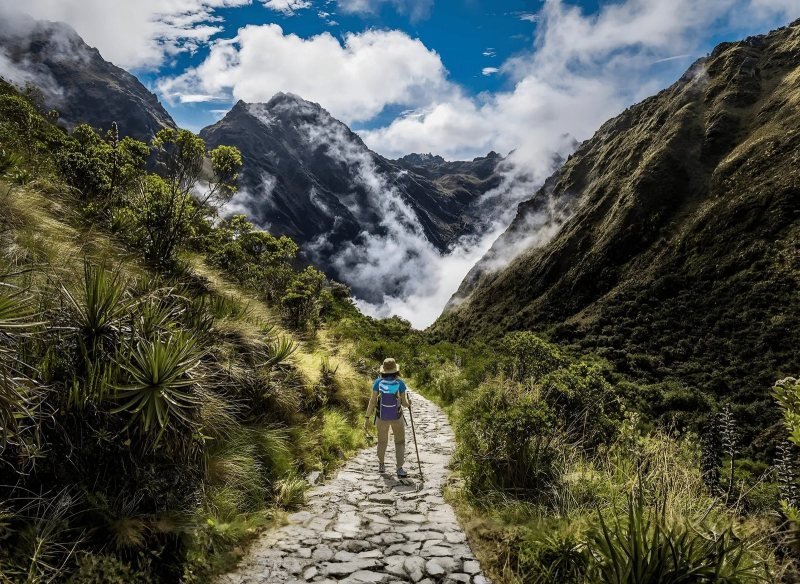
The Classic Inca Trail is a 4-day, 3-night walk of about 26 miles (43 km) along the original Inca road from KM 82 near Ollantaytambo to the Sun Gate (Intipunku) above Machu Picchu. It climbs Dead Woman's Pass at 13,830 ft (4,215 m) on day 2, passes the ruins of Llactapata, Runkurakay, Sayacmarca, Phuyupatamarca and Wiñay Wayna, and ends with the citadel appearing below you at dawn on day 4. It is part of the Qhapaq Ñan, the Inca road system listed by UNESCO. Access is limited to 500 people a day including staff, through licensed operators only, and the trail closes every February for maintenance.
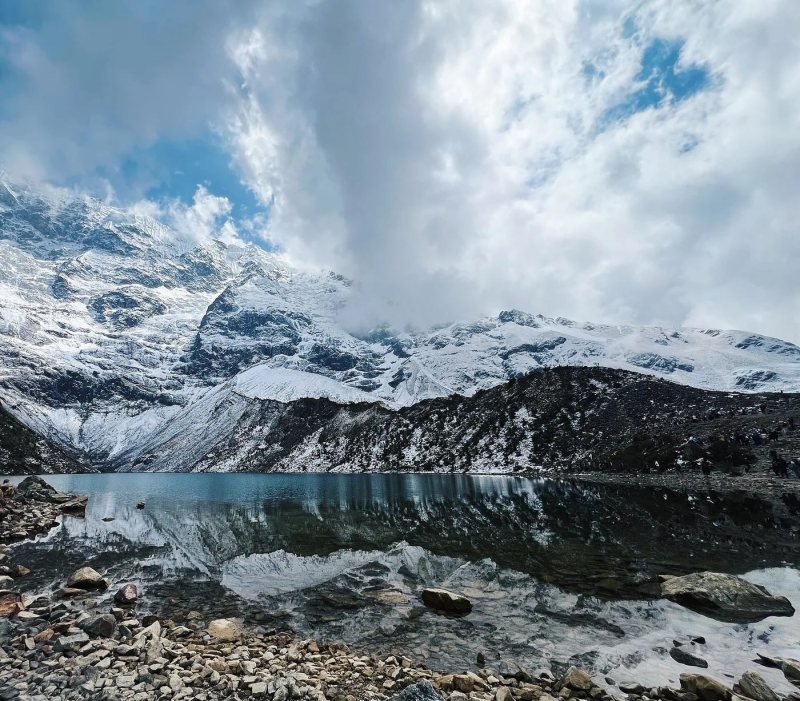
The Salkantay trek is a 5-day, 4-night walk of about 45 miles (72 km) that starts at Soraypampa below the Humantay Lake, crosses the Salkantay Pass at 15,190 ft (4,630 m) under the glaciers of Salkantay, drops through cloud forest and coffee farms to the Santa Teresa valley, and reaches Aguas Calientes by the railway from Hidroeléctrica. You sleep three nights in tents and one in a hotel, then visit Machu Picchu with a guide on day 5, entering by bus like everyone else. No permit is needed, and the route runs all year.
One thing to know about who runs them. The Inca Trail is operated by a partner trekking company authorized by SERNANP, the protected-area authority, which holds the licenses and the permits. Sacred Lake Titikaka organizes your trip around it, with the same guides and crew standards on every departure. Salkantay sits outside the permit system and runs with the crew described on the package page.
Side by side
The table below has the numbers that decide most choices. Distances and altitudes come from the official records and our own itineraries, and prices are the per-person rates on this site.
| Classic Inca Trail | Salkantay trek | |
|---|---|---|
| Days and nights | 4 days, 3 nights in tents | 5 days, 3 nights in tents and 1 hotel night |
| Distance | about 26 mi (43 km) | about 45 mi (72 km) |
| Highest point, feet and meters | Dead Woman's Pass, 13,830 / 4,215, day 2 | Salkantay Pass, 15,190 / 4,630, day 2 |
| Hardest stretch | Day 2, the pass, then stone stairs on day 3 | Day 2, about 22 km with 730 m up and 1,700 m down |
| Surface | Inca paving and thousands of stone steps | Dirt trail, some rock, railway walk on day 4 |
| Ruins along the route | Llactapata, Runkurakay, Sayacmarca, Phuyupatamarca, Wiñay Wayna, Sun Gate | Llactapata (the Hidroeléctrica one) with a distant view of Machu Picchu |
| Scenery | Cloud forest, valleys, stone tunnels, terraces | Humantay Lake, glaciers at the pass, cloud forest, coffee farms |
| Arrival at Machu Picchu | On foot through the Sun Gate at dawn, day 4 | By bus from Aguas Calientes, day 5 |
| Permit | Yes, 500 a day including staff, sells out months ahead for May to August | None, Machu Picchu ticket only |
| Season | Closed every February | All year, best May to September |
| Who carries your gear | Porters, 5 to 7 kg of your items | Mules, with an emergency horse |
| Price per person | US$797 | US$707 |
| Book | Months ahead | Weeks ahead |
When to choose the Inca Trail
You want the history under your feet. No other route to Machu Picchu puts you on Inca paving for four days, through stone tunnels and past ruins that only hikers see. Sayacmarca on its spur, the terraces of Wiñay Wayna an hour from the finish, and the moment the citadel appears from the Sun Gate at first light are the reasons people wait a year for a permit. Your guide explains the sites as you walk, and the day 4 entry through the gate is a different experience from arriving by bus.
You can plan ahead. Permits are issued by name and passport number, cannot be transferred, and for May to August they go on sale months ahead and sell out fast. If your dates are fixed and far away, the Inca Trail works. If you are booking for next month, it almost never does, and the Short Inca Trail (2 days from KM 104, 250 permits a day) is the fallback that still gives you the Sun Gate. Our Inca Trail permits guide explains the sale and the sell-out pattern by month.
Your knees are good. The trail is stairs: the descent from Dead Woman's Pass and the long stone staircases of day 3 wear people out more than the climb. Poles with rubber tips are allowed on the trail (not inside the citadel) and we recommend them. Porters carry the camp and up to 5 to 7 kg of your gear, so you walk with a daypack. Our Classic Inca Trail 4 days costs US$797 per person with the permit, guide, cook, porters, meals and camping.
When to choose Salkantay
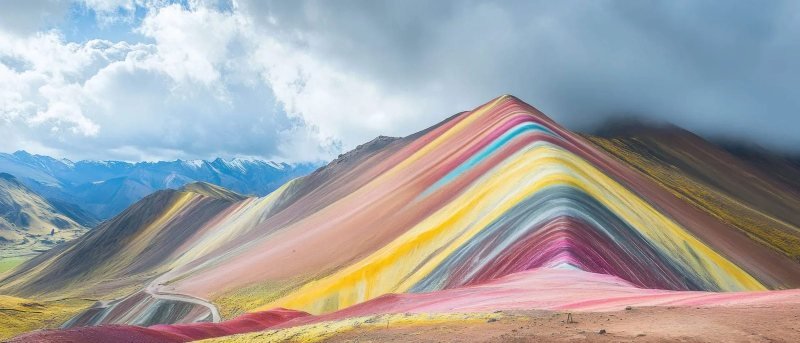
You want mountains more than ruins. Day 1 ends at Soraypampa with the turquoise Humantay Lake above camp, and day 2 climbs to the pass with the glaciers of Salkantay, 20,574 ft (6,271 m), hanging over the trail. From the pass you walk down from ice to cloud forest in a single afternoon, and days 3 and 4 pass coffee and fruit farms with hot springs nearby. There is one Inca site, Llactapata, with its own distant view of Machu Picchu on day 4. If you have seen the Inca Trail photos and the landscape pulled you more than the stonework, this is your trek.
You are booking late or traveling in February. No permit means we can confirm Salkantay a few weeks out most of the year, and it runs through February when the Inca Trail is closed. The weather in February is wet, so the dry months of May to September are still the better choice, but the option exists.
You can handle altitude and distance. The pass is 1,360 ft (415 m) higher than Dead Woman's Pass, and day 2 covers about 22 km with a gain of 730 m (2,400 ft) and a descent of 1,700 m (5,600 ft). It is the hardest single day on either trek. In exchange, the surfaces are mostly dirt rather than stairs, mules carry the camp, and night 4 is a hotel bed and a shower in Aguas Calientes before the citadel. Our Salkantay Trek to Machu Picchu costs US$707 per person with the crew, mules, camping, the hotel night, the Machu Picchu entrance and the train.
Which is harder
Salkantay, by the numbers, and the Inca Trail, by the surface. Salkantay is longer, higher and has the bigger single day. The Inca Trail is shorter and lower but almost entirely on stone steps, and the stairs are what people talk about afterward. Both need two nights in Cusco first, and both are done by ordinary fit people every day of the season. If you have knee trouble, lean Salkantay. If you have never slept above 12,000 ft and worry about altitude, lean Inca Trail, whose high point is lower and whose nights are lower too. Our Salkantay trek guide and Inca Trail day by day give the profile of each day.
Which is prettier
Our opinion, having walked both many times: Salkantay has the bigger views and the Inca Trail has the better arrival. The pass under the glacier beats anything on the Inca Trail for scale, and the drop into cloud forest in one afternoon is something the Inca Trail does more gently over two days. The Inca Trail wins the last hour. Walking through the Sun Gate with the citadel below, before the buses arrive, is the finish Salkantay cannot offer, because Salkantay hikers reach Machu Picchu by bus from Aguas Calientes like day visitors.
Which needs a permit
Only the Inca Trail. Every route of the Inca road network near Machu Picchu is permit-controlled, with 500 spaces a day on the classic routes and 250 on the 2-day route from KM 104, sold only through licensed agencies, by name and passport, and closed in February. Salkantay, Lares, Choquequirao and the Inca Jungle route need no permit, only the Machu Picchu entrance ticket at the end, which is included in all our treks. Our best treks from Cusco comparison puts all of them in one table.
If you cannot decide
Book by date first. Six months out with fixed dates in the dry season: Inca Trail. Six weeks out, or February: Salkantay. Then book by body: stairs or altitude, tent every night or a hotel before the citadel. People who do both on separate trips usually say they are glad they did the Inca Trail first, because the Sun Gate arrival is better when it is your first sight of Machu Picchu.
| Fact | Value |
|---|---|
| Inca Trail | 4 days, 3 nights, about 26 mi (43 km), high point 13,830 ft (4,215 m), permit required, closed February, US$797 |
| Salkantay | 5 days, 4 nights, about 45 mi (72 km), high point 15,190 ft (4,630 m), no permit, all year, US$707 |
| Permits | 500 a day on the classic routes including staff, 250 on the 2-day route, by name and passport, through licensed operators |
| Operator | Inca Trail trekking operated by a partner company authorized by SERNANP, and Sacred Lake Titikaka organizes the trip |
Sources
- Dirección Desconcentrada de Cultura Cusco, sale of entries for Machu Picchu and the Inca road network: 500 spaces a day on routes 1 to 3, 250 on route 5
- Dirección Desconcentrada de Cultura Cusco, February closure of the Inca road network
- UNESCO, Qhapaq Ñan, Andean Road System (2014)
- Salcantay, Wikipedia (elevation 6,271 m)
- CDC Yellow Book, High Altitude Travel and Altitude Illness
Questions people ask
Which is harder, the Salkantay trek or the Inca Trail?
Salkantay by altitude and distance: 45 miles against 26, a 15,190 ft (4,630 m) pass against 13,830 ft (4,215 m), and a 22 km day with 1,700 m of descent. The Inca Trail is harder on the knees, because it is built of stone stairs. Fit, acclimatized walkers finish both. Lean Salkantay with bad knees, Inca Trail with altitude worries.
Which is prettier, Salkantay or the Inca Trail?
Our opinion from guiding both: Salkantay has the bigger views, with Humantay Lake and the glaciers at the pass, and the Inca Trail has the better finish, walking through the Sun Gate with Machu Picchu below at dawn. If scenery decides, take Salkantay. If the arrival and the Inca ruins along the way decide, take the Inca Trail.
Does the Salkantay trek need a permit?
No. Only the routes of the Inca road network near Machu Picchu are permit-controlled, with 500 spaces a day on the classic Inca Trail and 250 on the 2-day route, sold by name and passport through licensed operators and closed every February. Salkantay needs only the Machu Picchu entrance ticket at the end, which our trek includes, so it can be booked weeks out.
How far ahead do I need to book the Inca Trail?
Months, for the dry season. Permits for May to August sell out soon after they go on sale, and the permit is tied to your passport, so changes are not possible later. For the rainy months a few weeks may be enough. If your dates are near and the classic trail is full, the Short Inca Trail from KM 104 has its own 250 daily permits and still ends at the Sun Gate.
Can I do the Inca Trail in February?
No. The Inca road network near Machu Picchu closes for the whole of February every year for maintenance, by order of the Cusco culture authority. Salkantay, Lares and the Inca Jungle route stay open, and Machu Picchu itself stays open. February is also the wettest month, so expect mud and rain on any trek.
Do both treks end at Machu Picchu?
Yes, but differently. The Inca Trail arrives on foot through the Sun Gate above the citadel on the morning of day 4, before the buses. Salkantay reaches Aguas Calientes on day 4 along the railway from Hidroeléctrica, and you enter Machu Picchu on day 5 by bus with a guided visit on Circuit 2, like a day visitor. Both include the entrance ticket.
Who operates the Inca Trail trek?
A partner trekking company authorized by SERNANP, the protected-area authority, which holds the licenses and books the permits in your name. Sacred Lake Titikaka organizes the trip around the trek: your Cusco hotel nights, transfers and the rest of the itinerary. The Salkantay trek runs outside the permit system with the crew described on its page.
This guide was last reviewed in October 2026. Prices, rules and timetables are quoted with the date we checked them.