




Cusco Weather by Month: Rain, Sun and Cold Nights
Cusco has two seasons. The dry season, May to September, brings sunny days around 21 °C (70 °F) and frosty nights near 0 °C (32 °F). The wet season, November to March, brings afternoon rain, with about 126 to 146 mm (5 to 5.7 in) in January and February, and milder nights around 7 °C (45 °F).

In this guide
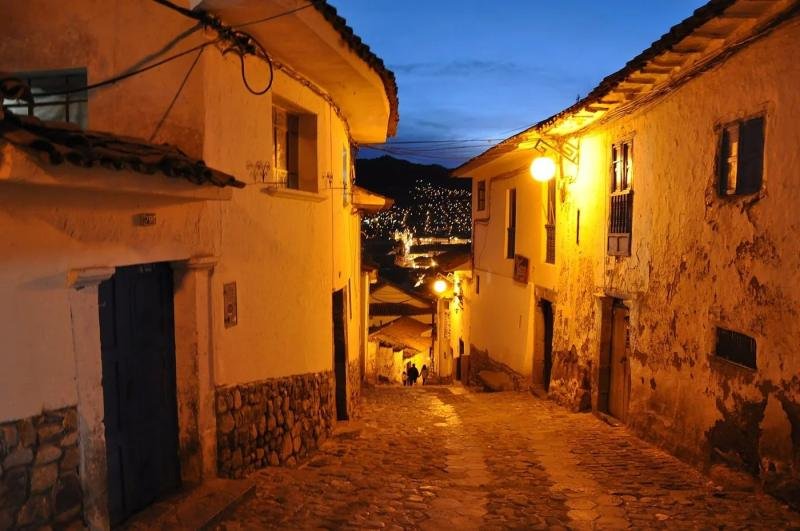
At noon in the Plaza de Armas of Cusco you take off your jacket. The sun at 3,399 m feels close, it bounces off the stone of the cathedral steps, and the sky over the hills is a hard, deep blue. By 3:00 p.m. in February, a grey wall of cloud has rolled over the ridge above San Blas, the first fat drops hit the cobbles, and people crowd under the arcades. After dark you want a hat, gloves and a hot drink.
Short answer: Cusco has two seasons. The dry season, May to September, brings sunny days around 21 °C (70 °F) and frosty nights near 0 °C (32 °F). The wet season, November to March, brings afternoon rain, with about 126 to 146 mm (5 to 5.7 in) in January and February, and milder nights around 7 °C (45 °F).
The temperature barely changes through the year. Average highs stay between 20 and 22 °C (68 to 72 °F) in every month, according to SENAMHI, Peru's weather service. What changes is the rain and how cold the nights get. That is why the right month for Cusco depends less on warmth and more on whether you mind a wet afternoon or a freezing morning.
Cusco weather by month
Cusco's monthly averages, measured by SENAMHI at its Granja Kayra station on the valley floor southeast of the center, show the same daytime high all year and a big swing in rain and night temperature. June and July are the driest and coldest months. January and February are the wettest. April, May, September and October sit in between.
| Month | High (°F / °C) | Low (°F / °C) | Rain (in / mm) | Rain days | What it is like |
|---|---|---|---|---|---|
| January | 68 / 20.2 | 45 / 7.4 | 5.7 / 146 | about 20 | Wettest month, green hills, afternoon storms |
| February | 68 / 20.2 | 46 / 7.5 | 5.0 / 126 | about 17 | Wet, Inca Trail closed, Carnival |
| March | 69 / 20.4 | 44 / 6.8 | 3.8 / 97 | about 16 | Rain easing, still green |
| April | 70 / 20.9 | 40 / 4.4 | 1.3 / 33 | about 7 | Few showers, fewer visitors |
| May | 70 / 21.3 | 34 / 1 | 0.2 / 6.3 | about 2 | Dry and clear, cold nights start |
| June | 70 / 20.9 | 31 / minus 0.8 | 0.1 / 3.7 | about 1 | Dry, frost at night, Inti Raymi |
| July | 69 / 20.8 | 30 / minus 1.3 | 0.2 / 4.2 | about 1 | Coldest nights, busiest month |
| August | 71 / 21.5 | 33 / 0.5 | 0.2 / 5.2 | about 2 | Dry and sunny, still busy |
| September | 71 / 21.9 | 38 / 3.3 | 0.6 / 14 | about 4 | Dry, milder nights, calmer |
| October | 71 / 21.9 | 42 / 5.4 | 1.7 / 44 | about 9 | First storms late in the month |
| November | 72 / 22.2 | 43 / 6.3 | 2.8 / 71 | about 10 | Warmest days, rain returns |
| December | 70 / 20.9 | 44 / 6.9 | 4.5 / 115 | about 17 | Wet, festive, Santurantikuy on the 24th |
Rain days count days with at least 1 mm of rain at the Cusco airport. A "rain day" in the wet season usually means a dry, bright morning and a shower or a storm in the afternoon, not a whole day of drizzle. Nights in the historic center, which sits about 200 m higher than the station, run a little colder than the table shows.
The dry season: May to September
From May to September Cusco gets almost no rain, about 4 to 14 mm (0.1 to 0.6 in) a month, and the sky is clear most days. Mornings start cold, near or below freezing in June and July, and by 10:00 a.m. you are walking in a T-shirt. The sun sets around 5:30 p.m. and the temperature drops fast with it.
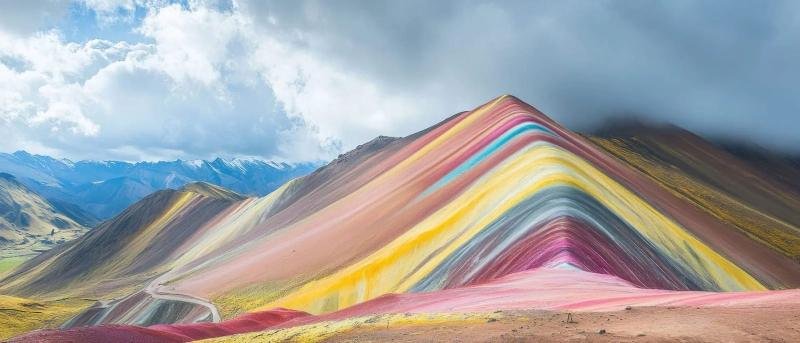
The dry months are the season for treks, Rainbow Mountain and Machu Picchu views without cloud, and also the busiest time in the city. Inti Raymi, the festival of the sun, fills Cusco on June 24. If you travel in June, July or August, book hotels and Machu Picchu tickets two to three months ahead.
The wet season: November to March
From November to March most days follow the same pattern: sun in the morning, clouds building after midday, rain in the afternoon or evening. January is the wettest month, with about 146 mm (5.7 in) and rain on about 20 days. Nights are milder, around 7 °C (45 °F), and the hills around the city turn green.
The wet season is easier than its name suggests if you plan your days around it. Do walking tours, ruins and markets in the morning, and keep museums, cafés and a long lunch for the afternoon. February is the month to think twice about: the Inca Trail closes for maintenance, and roads to the high day trips can turn muddy.
April and October
April and October are the transition months. April still has a few showers and green hills, with far fewer visitors than June. October warms up a little at night and the first afternoon storms start toward the end of the month. Both are good months for a first visit if you want dry mornings without high-season crowds.
The sun is stronger than the temperature suggests
Cusco's sun burns faster than most visitors expect. At this altitude the air filters less ultraviolet light, and a 2006 study cited by Wikipedia found Cusco had the highest average UV levels of any populated place on Earth. Twenty minutes in the plaza at noon without a hat is enough to burn. Wear sunscreen, a hat and sunglasses in every month, cloudy days included.
What to pack for Cusco weather
Pack in layers, because a single day in Cusco runs from winter to early summer. You will wear everything at 6:00 a.m. and carry most of it by noon.
- A warm fleece or light down jacket, plus a hat and gloves for the evenings and early starts.
- A rain jacket or poncho in every season, and a waterproof one from November to March.
- Sunscreen, sunglasses and a hat with a brim.
- Shoes with a good grip. Cusco's stone streets are steep and slippery when wet.
- Warm clothes for sleeping. Many older buildings in the center have no central heating, so ask your hotel for a heater or an extra blanket.
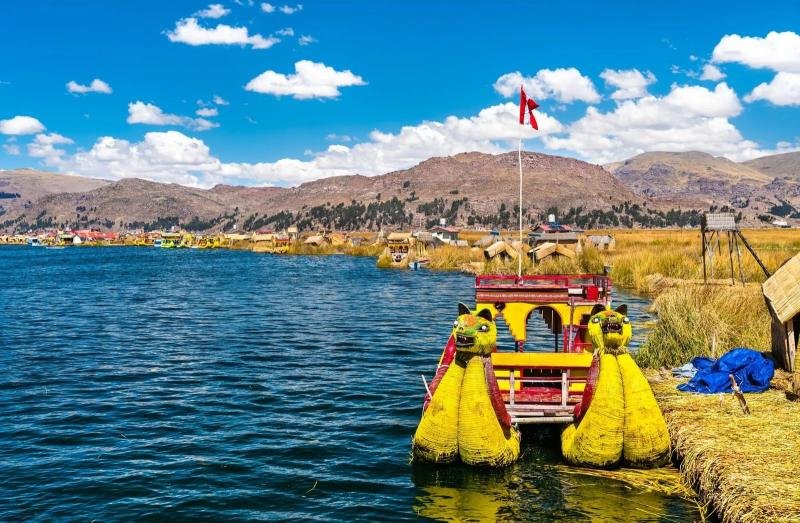
Our Peru packing list covers the rest of the trip, including Machu Picchu and Lake Titicaca.
Cusco weather compared with Machu Picchu and the Sacred Valley
Machu Picchu and the Sacred Valley are lower and warmer than Cusco. The Sacred Valley floor sits at about 2,870 m (9,420 ft), and Machu Picchu at 2,430 m (7,970 ft), on the edge of the cloud forest. Machu Picchu is more humid and gets much more rain: about 340 mm (13.4 in) in January against Cusco's 146 mm, per SENAMHI's normals. Pack for both climates on the same trip. The best time to visit Machu Picchu guide has its own month by month table.
Which month has the best weather in Cusco
For the driest, clearest days, choose June, July or August, and accept cold nights and the biggest crowds. Our own pick for a first visit is May or September: the weather is almost as dry, the nights are a little milder, and the city is calmer. For a deeper look at a single month, read our series on Peru in May, Peru in September and Peru in January, or the overview of the best time to visit Peru.
Whatever the month, plan Cusco sightseeing for the morning. Our half-day walking tour from US$27 and the Cusco city tour with Sacsayhuamán and Qorikancha from US$87 are short enough to fit around an afternoon shower, and we keep the timing flexible in the wet season.
Related tours


Questions people ask
What is the rainy season in Cusco?
The rainy season in Cusco runs from November to March, with the most rain in January (about 146 mm or 5.7 in) and February. Rain usually falls in the afternoon or evening after a sunny morning. From May to September Cusco gets almost no rain, and April and October are transition months.
How cold does Cusco get at night?
In June and July, Cusco's average low is just below freezing, about minus 1 °C (30 °F) at SENAMHI's Granja Kayra station, and the historic center, higher up, runs a little colder. In the wet season nights are milder, around 7 °C (45 °F). Pack a warm jacket, hat and gloves in every month.
Does it snow in Cusco?
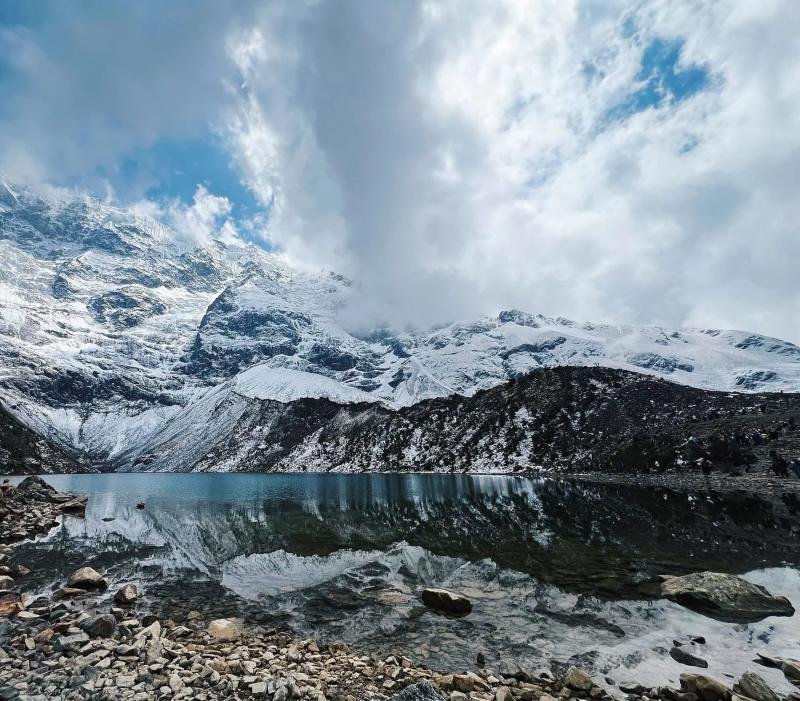
Snow in the city of Cusco is very rare. Wikipedia's climate record lists the last snowfalls in June 1911 and July 1968. Frost is common on dry-season nights, and the high mountains around Cusco, such as Ausangate and Salkantay, are snow-capped all year.
What is the warmest month in Cusco?
November has the warmest days, with an average high of about 22 °C (72 °F), but the difference between months is small. Highs stay between 20 and 22 °C (68 to 72 °F) all year. What changes is the night: the mildest nights come from December to February, the coldest in June and July.
Is it worth visiting Cusco in the rainy season?
Yes, if you plan around the afternoon rain. Mornings are often dry and bright, the hills are green, and hotels and trains are less crowded than in July. Avoid February if you want to hike the Inca Trail, which closes that month, and carry a rain jacket every day.
Sources
- SENAMHI, Normales climáticas estándares y medias 1991 to 2020 (station spreadsheet, archived copy) checked October 2026
- SENAMHI, normales climáticas por estación checked October 2026
- Wikipedia, Cusco climate section and table (airport rain days, UV study, snowfalls) checked October 2026
- Wikipedia, Machu Picchu climate table (SENAMHI 1991 to 2020) checked October 2026
- Andina, Inca Trail sections closed to tourists in February (SERNANP) checked October 2026
This guide was last reviewed in October 2026. Prices, rules and timetables are quoted with the date we checked them.