


Peru Packing List: What to Bring and What to Leave
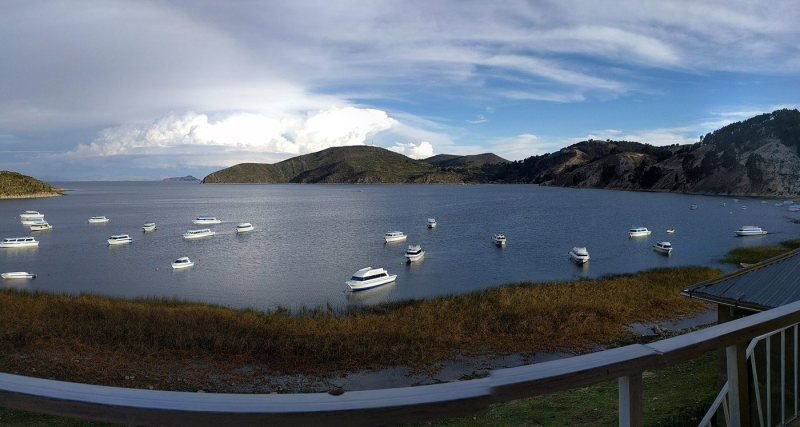
Pack layers, not bulk: Cusco mornings are near freezing and afternoons are warm, Machu Picchu is humid and rainy, the lake is cold at night and burns by day. One daypack under 40 by 35 by 20 cm for Machu Picchu, a soft duffel for the train's 8 kg limit, and no poles, tripods or umbrellas at the citadel. The checklist is below.

In this guide
Short answer: Pack layers for three climates in one week: Lima mild and damp, Cusco and the lake near freezing at dawn and warm by noon under a burning sun, Machu Picchu humid with rain in any month. Carry a daypack no bigger than 40 by 35 by 20 cm (16 by 14 by 8 in), because that is the limit at the Machu Picchu gate, and a soft bag of 8 kg (17 lb) or less for the train. Leave the trekking poles, tripod and umbrella at the hotel on citadel day. The printable checklist is below, with the trek extras after it.
Three climates in one trip
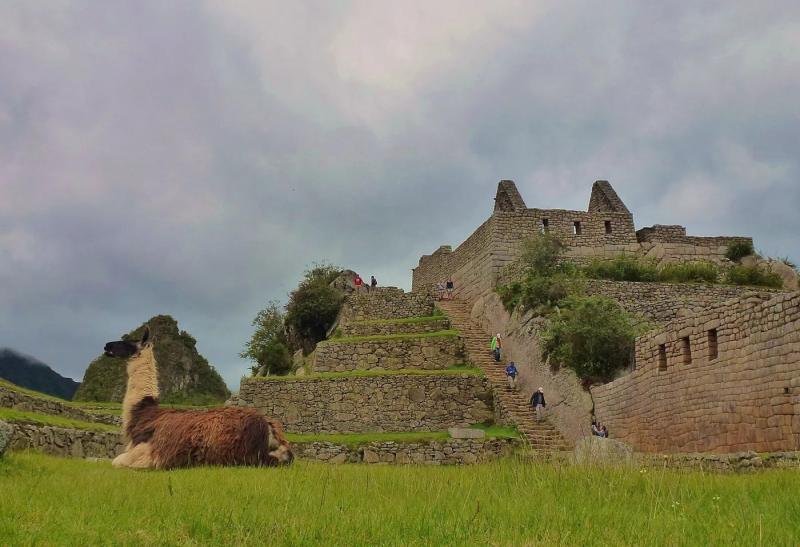
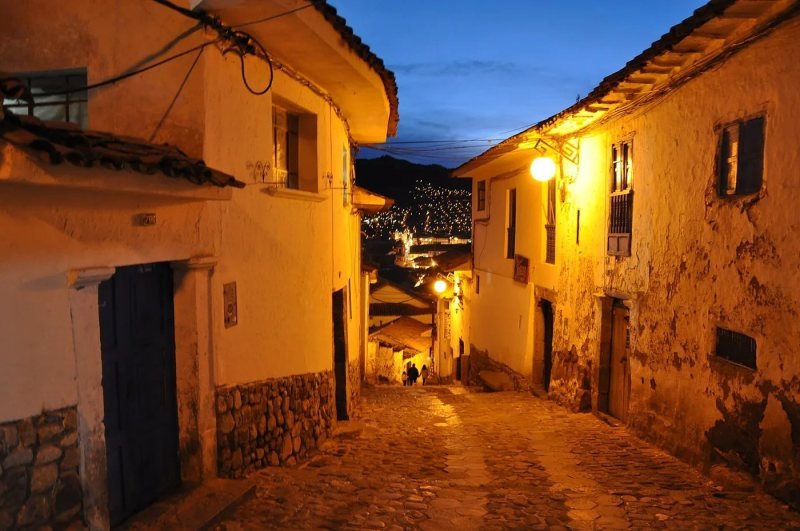
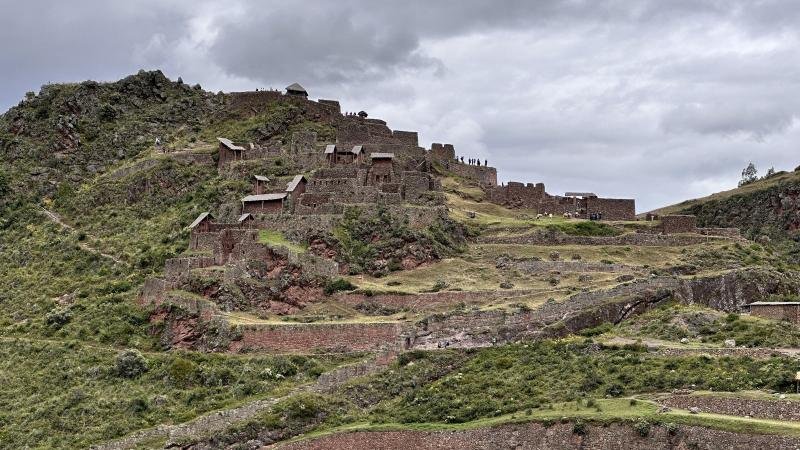
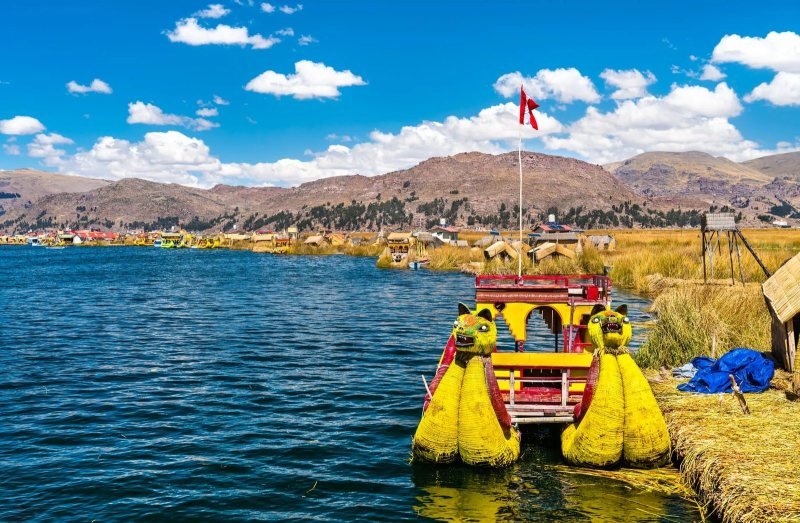
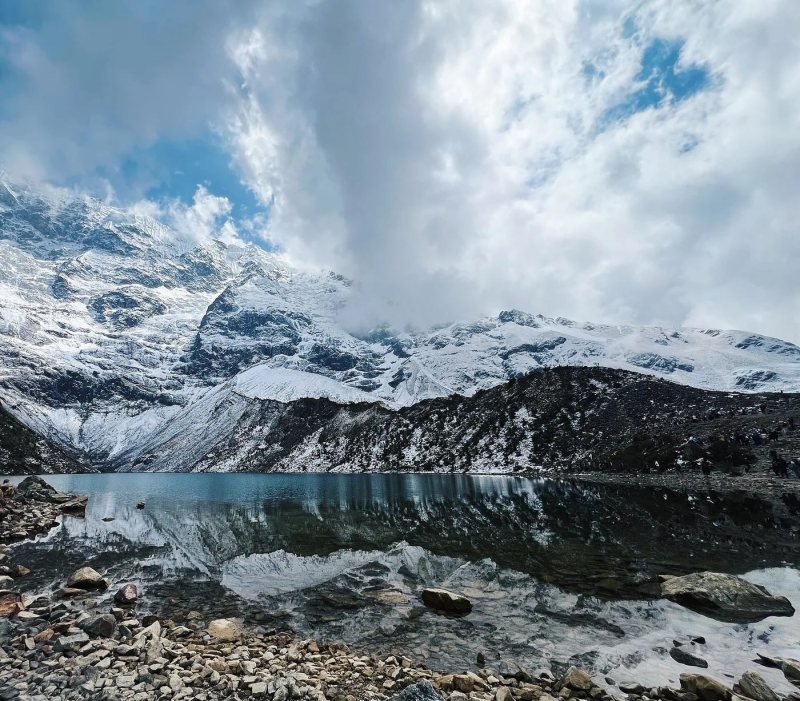
Lima sits at sea level with mild temperatures all year and a gray, damp fog from May to November. Cusco at 3,400 m (11,150 ft) and Puno at about 3,830 m (12,560 ft) have a dry season from May to September with mornings near 40 F (4 C) and afternoons near 70 F (21 C), and a rainy season from November to March with afternoon showers. Machu Picchu at 2,430 m (7,970 ft) is lower and warmer, in cloud forest, with humidity and rain possible every month. The sun at altitude is the thing people underestimate: it burns in half an hour on the lake and on the ridges, even in cold wind.
So the packing principle is thin layers you can add and remove through one day: a base layer, a fleece, a light insulated jacket and a rain shell cover every place on this site from the coast to the 16,000 ft ridges. One heavy coat covers none of them well.
The checklist
Clothing
- 2 or 3 quick-dry T-shirts and 1 or 2 long-sleeve base layers
- 1 fleece or wool mid-layer
- 1 light insulated jacket (down or synthetic) for dawn starts and the lake
- 1 waterproof rain shell that also blocks wind
- 2 pairs of hiking pants or travel pants, 1 of them convertible to shorts if you like
- Warm hat, sun hat with a brim, light gloves
- Wool or synthetic socks, 4 to 5 pairs, and underwear for a week
- Broken-in walking shoes or light boots with grip, plus sandals or sneakers for town
- One set of town clothes for dinners in Lima or Cusco
- Swimsuit if your route has hot springs (Aguas Calientes, Lares, Santa Teresa)
Sun, health and comfort
- Sunscreen SPF 50, lip balm with SPF, sunglasses
- Refillable water bottle, 1 liter, with a filter if you want to skip bottled water
- Personal medication in its original packaging, plus your doctor's answer on altitude medication
- Small first aid kit: blister pads, painkillers, rehydration salts, anti-diarrheal
- Hand sanitizer and a pack of tissues, since public bathrooms often have no paper
- Earplugs and an eye mask for night buses and thin hotel walls
- Insect repellent for Machu Picchu and the Amazon
Documents and money
- Passport, valid six months beyond arrival, and a photo of the data page on your phone
- Printed or saved Machu Picchu ticket and train tickets, in the passport name
- Insurance policy number and emergency phone
- Clean US dollar bills for the reserve, a debit card for soles, a credit card for hotels
- A small zipped pouch for coins and S/10 notes
Bags
- One main bag, a soft duffel or a backpack, that stays in the Cusco hotel on the Machu Picchu days
- One daypack of 20 to 25 liters, under 40 by 35 by 20 cm when packed, for the citadel and day trips
- A dry bag or rain cover for the daypack
- A luggage lock for the hold of the night bus
Machu Picchu rules at the gate
The Ministerio de Cultura's code of conduct for the citadel limits bags to 40 by 35 by 20 cm (about 16 by 14 by 8 in), and bans trekking poles, tripods, monopods, selfie sticks, umbrellas, drones, food, hard-soled shoes and high heels, and strollers. Guards check at the gate, and the code says breaking the rules means removal from the site with no refund. So for citadel day: the small daypack with water, sunscreen, a rain poncho rather than an umbrella, snacks eaten outside the gate, and your passport, which is checked against the name on the ticket. Phones and cameras without tripods are fine. Walking sticks with rubber tips are permitted for older visitors and people with disabilities, per the same code, though we have seen the rule applied unevenly, so ask your guide the day before.
There are lockers and a left-luggage counter near the entrance in Aguas Calientes for anything bigger, and our guides tell you where. Read the Machu Picchu tickets guide for the rest of the rules inside.
Train luggage limits
The trains to Aguas Calientes carry hand luggage only. PeruRail allows one backpack of up to 8 kg (17 lb) and 100 cm in total dimensions, or one carry-on of up to 12 kg (26 lb) and 115 cm, per its luggage page as recorded on our package pages. Inca Rail allows one piece of hand luggage of up to 8 kg (17 lb) and 118 linear cm (46 in), with no racks on board and a paid storage service at its Ollantaytambo office, per its luggage policy. The practical answer on every tour we run is the same: your main bag stays at your Cusco hotel, which stores it free on our packages, and you travel to Machu Picchu with the daypack and a change of clothes for the Aguas Calientes night. Our Machu Picchu train guide compares the two companies.
Trek extras
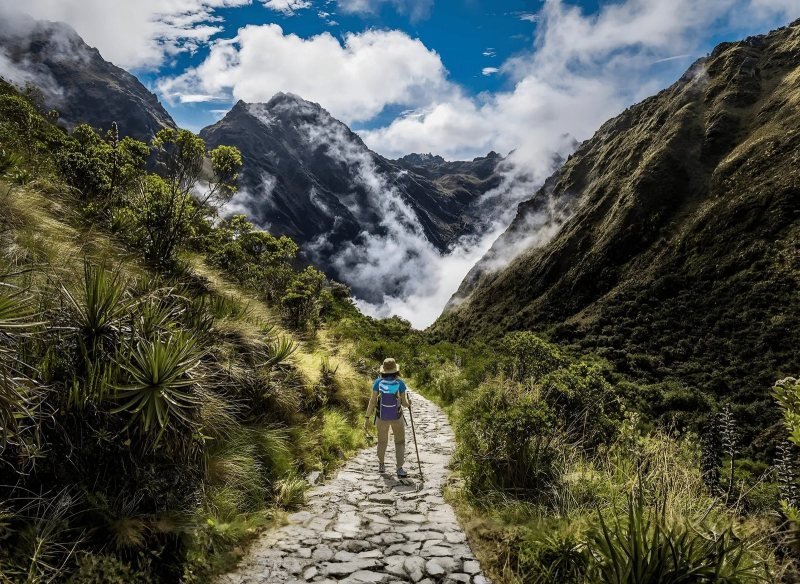
For the Inca Trail, Salkantay, Lares or any camping trek, add the items below. On the Classic Inca Trail porters carry the camp and 5 to 7 kg of your items in a duffel we provide, and you walk with the daypack. On Salkantay and Lares, mules do the same job. Sleeping bags are not included on our treks and can be rented in Cusco: ask for one rated to 14 F (minus 10 C), because camp nights near the passes drop below freezing in the dry season.
- Sleeping bag rated 14 F (minus 10 C), rented or your own, and a liner
- Headlamp with spare batteries
- Trekking poles with rubber tips, required on the Inca Trail and useful on every descent (not allowed inside the citadel)
- Camp shoes or sandals for the evenings
- Thermal top and bottom for sleeping, a warm hat for the tent
- Wet wipes, a small quick-dry towel, biodegradable soap
- Snacks you like, since trail food is good but the hours between meals are long
- Power bank, since there is no charging for three or four days
- A few S/10 notes for bathrooms and the beer at Wiñay Wayna or the Santa Teresa hot springs
- Passport in a waterproof pouch, because the Inca Trail checkpoints and the citadel check it
Every trek on our treks from Cusco with gear checklists hub lists what the package includes and what you bring, and the Inca Trail page explains the porter rules.
What to leave at home
The heavy coat, the second pair of boots, the hair dryer (hotels have them), the full-size toiletries, more than two pairs of jeans (slow to dry at altitude), expensive jewelry, and the drone, which is banned at Machu Picchu and needs a permit almost everywhere else. Leave room for what comes back: alpaca sweaters from Chinchero and woven belts from Taquile take space.
Two more pages belong in your planning: the money guide for how much cash to carry on each day, and the Cusco altitude guide for the medication conversation with your doctor, which is the one packing decision that needs a prescription.
| Fact | Value | Source |
|---|---|---|
| Machu Picchu bag limit | 40 by 35 by 20 cm (about 16 by 14 by 8 in) | |
| Banned at Machu Picchu | trekking poles, tripods, monopods, selfie sticks, umbrellas, drones, food, hard-soled shoes and heels, strollers, with removal without refund for breaking the rules | |
| PeruRail luggage | 1 backpack up to 8 kg and 100 cm, or 1 carry-on up to 12 kg and 115 cm | perurail.com |
| Inca Rail luggage | 1 piece of hand luggage up to 8 kg and 118 linear cm (46 in), storage at Ollantaytambo | incarail.com |
| Porters on the Inca Trail | carry the camp and 5 to 7 kg of your items | |
| Sleeping bag for treks | not included, rent in Cusco, rated 14 F (minus 10 C) | |
| Cusco dry season | May to September, mornings near 40 F (4 C), afternoons near 70 F (21 C) |
Sources
Questions people ask
What can you bring into Machu Picchu?
A bag no bigger than 40 by 35 by 20 cm (about 16 by 14 by 8 in), water, sunscreen, a rain poncho, a camera or phone without a tripod, and your passport, which is checked against the ticket. Banned by the Ministerio de Cultura's code of conduct: trekking poles, tripods, monopods, selfie sticks, umbrellas, drones, food, hard-soled shoes, high heels and strollers. Breaking the rules means removal without refund.
What should I pack for Machu Picchu?
For the day itself: a small daypack, layers for a cool morning and a warm humid noon, a rain poncho, sunscreen, a hat, water, insect repellent, your passport and the ticket. For the night in Aguas Calientes: one change of clothes in the same bag, since the train allows hand luggage only and your main bag stays in Cusco.
How much luggage can I take on the Machu Picchu train?
Hand luggage only. PeruRail allows a backpack of up to 8 kg (17 lb) and 100 cm or a carry-on of up to 12 kg (26 lb) and 115 cm, and Inca Rail one piece of up to 8 kg and 118 linear cm (46 in). Leave the main bag at your Cusco hotel, which our packages arrange, and travel with a daypack holding a change of clothes.
What do I need for the Inca Trail that I do not need for the rest of Peru?
A sleeping bag rated 14 F (minus 10 C), rented in Cusco if you do not own one, a headlamp, trekking poles with rubber tips, thermal sleepwear, camp sandals, a power bank, wet wipes and a few small notes for bathrooms. Porters carry the camp and 5 to 7 kg of your items in a duffel, so your daypack holds only the day's water, layers and snacks.
Do I need warm clothes in Peru?
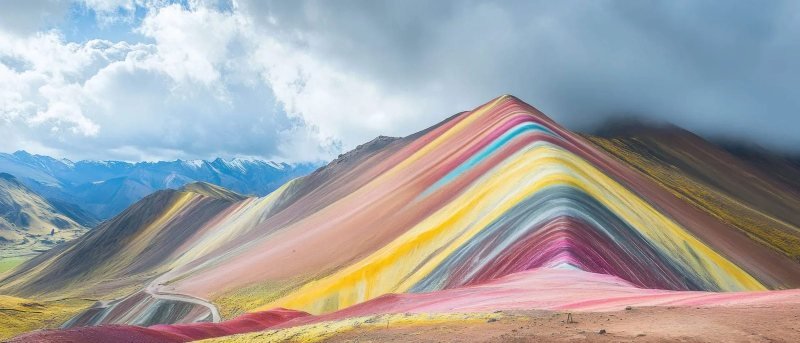
Yes, in the highlands, even in summer. Cusco and Lake Titicaca mornings are near freezing in the dry season from May to September, the Rainbow Mountain trailhead is below freezing at dawn in every month, and trek camps drop below freezing at night. By noon the same places are warm under a strong sun. Pack a fleece, a light insulated jacket, a hat and gloves, and wear them in layers.
Should I bring an umbrella to Peru?
No. Umbrellas are banned inside Machu Picchu, useless in the wind on the ridges and awkward on trails. Bring a waterproof rain shell and a cheap poncho that covers your daypack. In the rainy season from November to March, the shell is the most-used item in your bag, and in the dry season you will still want it for the citadel, where rain comes in any month.
This guide was last reviewed in October 2026. Prices, rules and timetables are quoted with the date we checked them.