




Spiritual Tours in Peru Without Ayahuasca: How to Choose
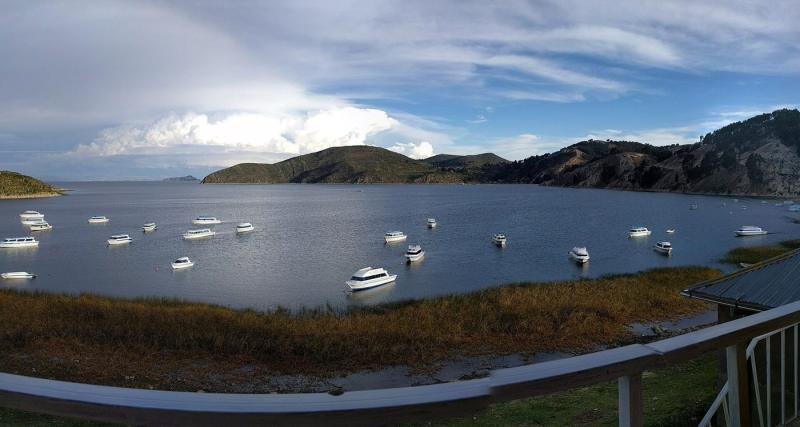
A spiritual tour in Peru without ayahuasca is built on Andean ceremony and sacred places: a despacho offering to the Pachamama, a water blessing on Lake Titicaca at 12,507 ft (3,812 m), sites like Ollantaytambo and Moray, and dates such as June 24 and August. Our ceremony trips run 5 to 12 days, from US$917.

In this guide
- What does a spiritual trip to Peru actually include?
- Who is a Peru shaman, and who leads Andean ceremonies?
- Which sacred sites in Peru are worth the trip?
- How do you tell an authentic ceremony from a show?
- What should you ask before you book a spiritual tour in Peru?
- How should you behave at an Andean ceremony?
- When is the best time for a spiritual trip to Peru?
- What about ayahuasca?
- Which of our trips include an Andean ceremony?
- Sources
- Questions people ask
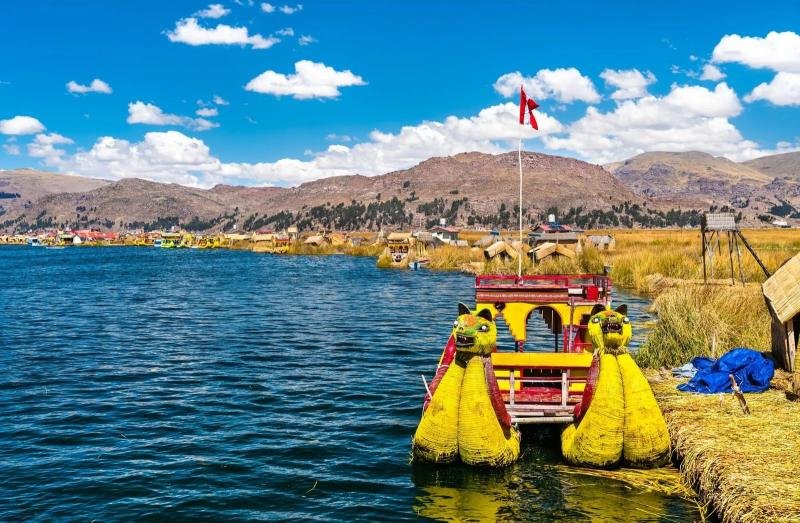
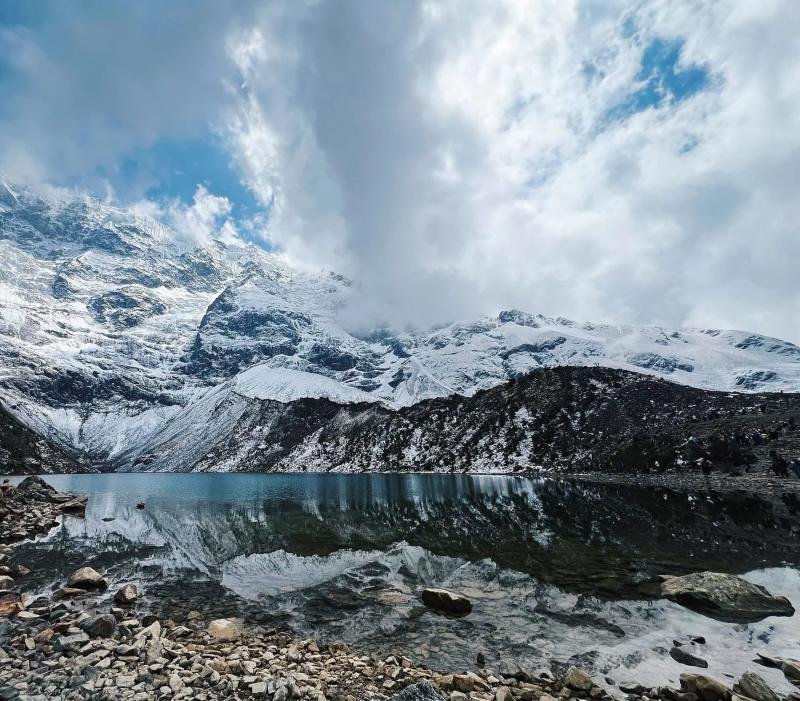
The path up Pachatata on Amantaní takes about 45 minutes, and the last bend is where the wind off the lake finds you. At the top, at about 13,550 ft (4,130 m), a man from the island spreads a cloth by the stone wall, lays out coca leaves and a little drink, and starts to pray in Quechua. The water below turns copper. Nobody is drumming for the cameras, nobody is promising to change your life, and that is how you know you are in the right place.
Short answer: A spiritual tour in Peru without ayahuasca is built on Andean ceremony and sacred places: a despacho offering to the Pachamama, a water blessing with a Lake Titicaca community at 12,507 ft (3,812 m), Inca sites such as Ollantaytambo and Moray, and dates like the June solstice and August. Our ceremony trips run 5 to 12 days, from US$917.
This page is for the traveler who searched for a spiritual retreat in Peru and found a wall of ayahuasca lodges. We run ceremony trips on Lake Titicaca, so we have an interest, and we say so up front. What follows is how we would choose if we were in your seat, with the questions to send us and anyone else you are comparing.
| Question | Answer |
|---|---|
| Main Andean ceremony | Despacho or pago: an offering of coca leaves, grains and sweets to the Pachamama (earth) and the apus (mountains) |
| Who leads it | A paqo in Quechua communities, a yatiri among the Aymara, recognized by the community |
| How long it takes | About 1 hour |
| Plant medicine involved | None |
| Strongest dates | June 20 or 21 (solstice), June 24 (Inti Raymi, Cusco), August (offerings month) |
| Altitude on the lake | 12,507 ft (3,812 m) at the water, 13,550 ft (4,130 m) on Pachatata |
| Our ceremony trips | 4 packages, 5 to 12 days, from US$917 per person, double room |
| What we never offer | Ayahuasca, San Pedro or any plant medicine retreat |
What does a spiritual trip to Peru actually include?
Outside the Amazon, a spiritual trip to Peru is made of four kinds of experience: an offering ceremony, a blessing hosted by a community, sacred sites visited with someone who knows their stories, and the festivals of the Andean calendar. Most good trips combine two or three of them. None of them involves a substance that alters the mind.
The offering, called a despacho or a pago, is the heart of Andean practice. A leader arranges coca leaves, grains and sweets on paper, asks the earth and the mountains for health and a safe road, then burns or buries the bundle. A community blessing goes one step further: you are received by the village that makes these offerings for its own fields and animals, and you stay the night. Sacred sites and festivals give you the setting and the calendar.
| Experience | What happens | Where | Time it takes | Best for |
|---|---|---|---|---|
| Despacho (pago) offering | A leader builds an offering on paper and burns or buries it. You add three coca leaves | Anywhere in the highlands, often a hilltop or a field | About 1 hour | First-timers who want one meaningful hour |
| Community blessing (our lake program) | Water blessing and offering at Llachón, thanksgiving offering on Pachatata, a night with a family | Lake Titicaca: Capachica peninsula and Amantaní | 2 days inside a 5 to 12 day trip | Travelers who want the ritual inside village life |
| Sacred sites with a guide | Ollantaytambo, Moray, Isla del Sol, Amaru Muru, with their history and legends | Sacred Valley, Puno shore, Bolivian shore | Half a day to a full day each | People who want meaning without a ritual |
| Festival or pilgrimage | Inti Raymi, Qoyllur Rit'i, Willkakuti, August offerings | Cusco, Sinakara valley, Tiwanaku, highland villages | 1 day to several | Travelers with flexible dates |
If you can do only one, do the community blessing. A despacho in a hotel garden in Cusco is pleasant and honest. A despacho on the shore of the village that makes it for its own potato fields, followed by a night in one of its houses, is something you will still talk about years later.
Who is a Peru shaman, and who leads Andean ceremonies?
In the Andes, the person who leads an offering is called a paqo in Quechua and a yatiri in Aymara. Usually a farmer or herder, this is someone the community recognizes for knowing the prayers, the names of the local mountains and the order of the offering. Shaman is an outsiders' word, and you will rarely hear it in a village above Cusco or Puno.
In the Amazon, the word covers a different tradition: healers called curanderos, some of whom work with plant brews. Online, the two worlds get blended into one product, the Peru shaman, who reads coca leaves in the morning and serves ayahuasca at night. Treat that blend as a sign that someone is selling to tourists rather than serving a community.
A title tells you little. Three answers tell you a lot: which community the leader comes from, whether that community knows and approves of the ceremonies for visitors, and how much of your money reaches it. A clear, specific answer to all three is worth more than any number of five-star reviews.
Which sacred sites in Peru are worth the trip?
The sacred sites that reward a spiritual traveler are the ones still used or still remembered by the people who live around them: Pachatata on Amantaní, Ollantaytambo's temple hill, Moray, the Isla del Sol and the carved rock of Amaru Muru near Juli. Each sits above 9,000 ft, so plan them after a night or two at altitude.
Ollantaytambo, Sacred Valley
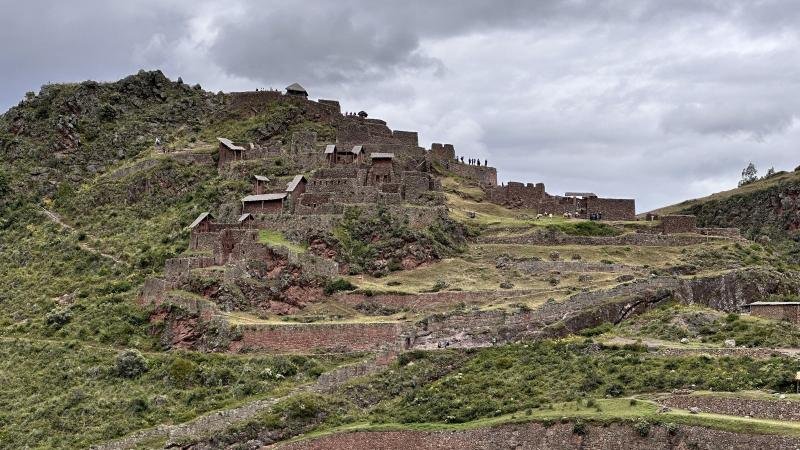
Ollantaytambo is a lived-in Inca town at 9,160 ft (2,792 m) at the western end of the Sacred Valley. Climb the terraces of the temple hill early, before the first trains unload, and stand by the six great stone blocks of the unfinished Sun Temple. The stone was hauled from the Kachiqhata quarry, about 9 km (5.6 mi) away across the river. Our Ollantaytambo guide has the hours and the tickets.
Moray
Moray is a set of round Inca terraces sunk into the plateau at about 11,480 ft (3,500 m), the largest bowl about 100 ft (30 m) deep. The temperature between its rim and its floor differs by as much as 27°F (15°C), which is why most archaeologists read it as a farming laboratory. You will hear it sold as an energy center. Nobody knows its full purpose, so walk the rim slowly and make up your own mind. Details are in our Maras and Moray guide.
Pachatata and Pachamama, Amantaní
Amantaní has two hilltops crowned with walled temples, Pachatata (Father Earth) and Pachamama (Mother Earth), with Inca and Tiwanaku remains. Islanders climb them for their feast around January 20, and the temples stay closed most of the year, so visitors make their offering outside the walls. Go for sunset. It is the most moving hour we know on the lake.
Isla del Sol, Bolivia
The Isla del Sol, reached by boat from Copacabana on the Bolivian shore at 12,602 ft (3,841 m), is where Inca tradition, as recorded by the Jesuit chronicler Bernabé Cobo, placed the birth of the sun. It holds more than 80 ruins, most from the 15th century. Disputes between island communities closed the north for years, so check the current access the week you go. Our Puno to Copacabana day ends at the dock where the island boats leave, and the boat is paid separately.
Amaru Muru, near Juli
Amaru Muru is a red sandstone outcrop near Juli with a tall smooth recess cut into it, shaped like a door that does not open, and a small niche at its base. Local Aymara stories link it to Inca-era priests and to the lake. Some visitors arrive calling it a stargate. Our guides tell the legends as legends, which is the respectful way to hear them, and our Aymara route day from Puno stops there.
How do you tell an authentic ceremony from a show?
An authentic Andean ceremony has a named leader from a named community, a payment that reaches that community, a purpose the leader can explain in a sentence, and no promise to transform you. A ceremony staged for visitors can still be authentic. Lake Titicaca communities have hosted travelers for decades and chose to share some of their rituals. The real test is who decided and who gets paid.
Signs you are in the right place:
- The leader and the community have names, and your guide says them before the ceremony starts.
- The fee to the community is fixed and included, and nobody passes a hat during the prayers.
- The date can move because the village has its own festivity that week.
- Photos are allowed only when the leader says so.
Signs to walk away:
- Promises to heal trauma, illness or addiction.
- Price levels for secret teachings or initiations.
- A plant brew added to deepen the experience.
- No clear answer about who leads or who is paid.
- Costumes handed out for the photo, then collected again.
What should you ask before you book a spiritual tour in Peru?
Ask any operator, including us, eight questions in writing before you pay a deposit. The answers take five minutes to give, and a vague reply is an answer too.
- Who leads the ceremony, and which community are they from?
- How is the community paid: a fixed fee per ceremony, a share of the price, or tips?
- What happens, step by step, and how long does it take?
- What will I be asked to do or say?
- Is anything eaten or drunk besides coca leaves, and can I decline it?
- Can I take photos, and who decides?
- What happens if the community has its own festivity on my dates?
- How high is the site, and what is the plan if I feel sick from the altitude?
Our answers for the lake program: a ceremony leader from the host community at Llachón and a local leader on Amantaní, a fixed payment per ceremony included in your price, about an hour each, three coca leaves in your hand and nothing else unless you choose a sip, photos only with the leader's yes, a new date if the village is busy, and a guide with a first aid kit and oxygen.
How should you behave at an Andean ceremony?
Follow the leader, stay quiet during the prayers and do what you are invited to do, nothing more. You do not need to share the belief, in the same way you can stand through a grace at a friend's table. When the coca leaves come to you, hold three of them, blow on them gently and think of what you are grateful for. If a cup comes around, pour a few drops on the ground and pass it on.
Dress for cold wind, keep your phone in your pocket until the leader says otherwise, and leave the coca leaves in Peru, since they are illegal to bring into the United States. Our guide to the despacho offering explains each step and the meaning of each ingredient.
When is the best time for a spiritual trip to Peru?
August and the week of the June solstice are the two strongest times. August is the month of offerings to the Pachamama in every Andean village, and late June brings the solstice on June 20 or 21, the Aymara New Year at Tiwanaku and Inti Raymi in Cusco on June 24. Both fall in the dry season, with clear skies and nights near freezing.
| When | What | Where | What it means for you |
|---|---|---|---|
| Around January 20 (third Thursday) | Amantaní feast at the Pachatata and Pachamama temples | Amantaní, Lake Titicaca | The temples open only that morning. Rainy season |
| Early February | Virgen de la Candelaria, on UNESCO's list since 2014 | Puno | Days of dance and music. Puno hotels fill early |
| 58 days after Easter (late May or June) | Qoyllur Rit'i pilgrimage, about 90,000 pilgrims per UNESCO | Sinakara valley, Cusco region | A Catholic and Andean pilgrimage of Cusco's communities. Cold, high, not a tour product |
| June 20 or 21 | June solstice and Willkakuti, the Aymara New Year | Tiwanaku in Bolivia, Aymara communities | Sunrise gatherings in deep cold |
| June 24 | Inti Raymi, the Festival of the Sun | Cusco: Qorikancha, Plaza de Armas, Sacsayhuamán | A staged reenactment since 1944. Book hotels months ahead |
| August, especially August 1 | Offerings to the Pachamama | Highland villages in Peru and Bolivia | Families make their own despachos. Dry days, freezing nights |
Inti Raymi is a staged reenactment, performed every year since 1944, and a fine spectacle. It is not a ceremony you take part in. If you want to be inside a ritual, come in August instead, when families all over the highlands make their own offerings, or join our lake program in any month. Read our Inti Raymi guide and Peru in August before you pick dates.
From December to March the rains turn afternoons gray and the boat crossings choppier, but the hills on the lake go green and the islands are quieter. In Puno, June and July nights average 31°F (minus 0.5 to minus 0.8°C), per SENAMHI's 1991 to 2020 normals. Pack for that.
What about ayahuasca?
We do not offer ayahuasca, San Pedro or any other plant medicine, and we do not recommend or refer anyone to a retreat. Ayahuasca is a brew from the Amazon, not the Andes. In 2008 Peru's National Institute of Culture declared the traditional knowledge and uses of ayahuasca by native Amazonian communities part of the nation's cultural heritage, and set them apart from commercial Western use.
The health risks are documented. The brew contains MAO-inhibiting alkaloids, and combined with SSRI antidepressants it can trigger serotonin syndrome, which researchers Callaway and Grob warned can be grave (Journal of Psychoactive Drugs, 1998). A 2024 systematic review in the International Journal of Toxicology found serious events rare in healthy people in controlled settings, but reported psychotic episodes, mostly in people with a psychiatric history or mixing drugs, along with rises in blood pressure and animal studies that argue against use in pregnancy.
The law at home matters too. DMT, the active compound in ayahuasca, and mescaline, the compound in the San Pedro cactus, are both Schedule I substances in the United States. If you take any medication, talk to your doctor before you plan anything. None of this applies to a despacho, which involves coca leaves, food, water and words.
Which of our trips include an Andean ceremony?
Four packages of 5 to 12 days include the water blessing at Llachón, the thanksgiving offering on Pachatata and a night with a family on Amantaní, from US$917 per person in a double room. Two day tours from Puno cover the sacred sites of the Aymara shore.
| Trip | Days | Starts in | Ceremony and sacred sites | From (US$) |
|---|---|---|---|---|
| Cusco to Lake Titicaca in 5 days | 5 | Cusco | Moray, Ollantaytambo, Llachón blessing, Pachatata offering, Amantaní homestay | 917 |
| Aymara ceremony, Lima, Cusco and Puno, 8 days | 8 | Lima | Same lake program plus Lima and the coast, free day in Puno | 1,097 |
| Ceremony trip from Lima, 10 days | 10 | Lima | Lake program plus a farming day with a Sacred Valley community and the Sun Route by day | 1,347 |
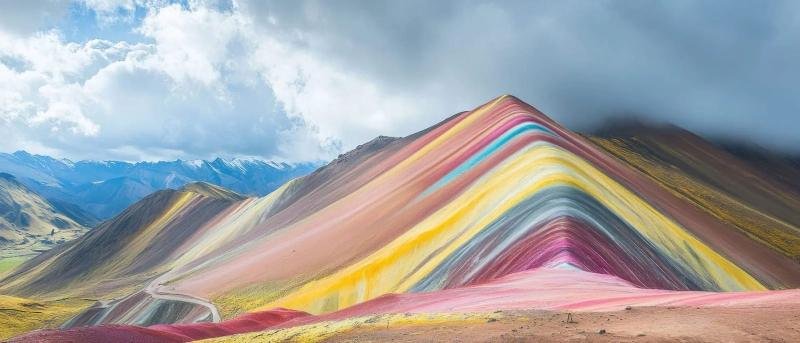
| Aymara ceremony complete, 12 days | 12 | Lima | Everything in the 10-day plus Apukunaq Tianan and Rainbow Mountain | 1,377 |
| Aymara Route day tour from Puno | 1 | Puno | Inka Uyo, Molloco towers, Amaru Muru, Juli churches | 127 |
| Puno to Copacabana by the Aymara route | 1 | Puno | Amaru Muru, Juli, border, drop-off in Copacabana for the Isla del Sol boats | 127 |
Pick the 5-day trip if you are already flying into Cusco. Pick the 10-day if you want the slower overland route to Puno and a day working the fields with a Sacred Valley community before the lake. The program carries the commercial name Aymara baptism, which is how most people find it, and its hosts at Llachón and on Amantaní are Quechua-speaking families. Compare all four on our page of trips with an Andean ceremony.
What we do: we organize the lake days with the communities, include the fixed payment for each ceremony in your price, send a guide who translates, and move the ceremony if the village needs the day. What we do not do: sell a shaman session on its own, promise healing, add any plant medicine, or call a ceremony Aymara when it is not. If you want the sacred sites without a ceremony, a planner on our team in Cusco can build a custom trip around the places on this page.
Updated October 2026. Package prices read from our package pages on 20 October 2026.
Many of these experiences happen in a family home on the lake: our guide to community tourism in Peru explains how a homestay night works.
Sources
- Callaway and Grob, Ayahuasca preparations and serotonin reuptake inhibitors, Journal of Psychoactive Drugs, 1998
- White et al., Ayahuasca and DMT adverse events and toxicity, International Journal of Toxicology, 2024
- 21 CFR 1308.11, Schedule I (DMT and mescaline)
- Andina, ayahuasca knowledge and traditional uses declared Cultural Heritage of the Nation, 2008
- UNESCO, Pilgrimage to the sanctuary of the Lord of Qoyllurit'i
- UNESCO, Festivity of Virgen de la Candelaria of Puno
- Amantaní, Wikipedia
- Isla del Sol, Wikipedia
- Moray, Wikipedia
- Willkakuti, Wikipedia
Related tours

Questions people ask
What is a spiritual tour in Peru?
A spiritual tour in Peru is a trip built around Andean ceremony and sacred places: an offering to the Pachamama led by a community member, a blessing with a Lake Titicaca village, and sites such as Ollantaytambo, Moray or the Isla del Sol explained by a guide. It can include ayahuasca in the Amazon, but ours never do.
Can I join a Pachamama ceremony in Peru without ayahuasca?
Yes. A Pachamama ceremony, the despacho or pago, uses coca leaves, grains, sweets and a little drink, and nothing that alters the mind. On our lake trips it takes about an hour at Llachón and again at sunset on Pachatata, led by people from the host communities.
What is a Peru shaman called in the Andes?
In Quechua communities the ritual specialist is a paqo, and among the Aymara a yatiri, which means one who knows. Both are usually farmers or herders recognized by their community. Outsiders say shaman. In the Amazon, healers called curanderos follow a separate tradition.
Where should I go in Peru for a spiritual trip without plant medicine?
In our view, Lake Titicaca. Llachón and Amantaní still make offerings for their own fields, you sleep in a family's house, and the Pachatata sunset is hard to match. The Sacred Valley is the gentler alternative, with Ollantaytambo and Moray at lower altitude and more comfortable hotels.
When is the Pachamama ceremony held in Peru?
All year, at moments that matter for a household, and above all in August, when families across the highlands make offerings, many of them on August 1. Ceremonies for visitors on our lake trips run whenever the trip is booked, unless the community needs the day for its own festivity.
Is it respectful for tourists to join Andean ceremonies?
Yes, when the community invites you, is paid a fair fixed fee and the leader decides what is shared and photographed. No belief is asked of you. Stay quiet during the prayers, take the coca leaves you are offered and keep your phone away until the leader says yes.
Is ayahuasca legal in Peru?
Peru protects the traditional Amazonian use of ayahuasca as national cultural heritage, by a 2008 declaration. Its active compound, DMT, is a Schedule I substance in the United States. We do not offer ayahuasca or refer anyone to a retreat, and we suggest you speak to a doctor about the documented risks.
How much does a spiritual tour of Peru cost?
Our trips with the Llachón ceremony and the Amantaní homestay cost from US$917 per person for 5 days, US$1,097 for 8, US$1,347 for 10 and US$1,377 for 12, in a double room with hotels, guides, Machu Picchu and the community payments included. Day tours to Amaru Muru from Puno cost US$127.
What are the main sacred sites in Peru?
Machu Picchu and Cusco's Qorikancha are the famous ones. For a spiritual traveler we would add Ollantaytambo's temple hill, the Moray terraces, the Pachatata and Pachamama hilltops on Amantaní, the Isla del Sol on the Bolivian side and Amaru Muru, a door-shaped carving near Juli.
Do I need to prepare or follow a diet before an Andean ceremony?
No. There is no diet and no fasting. Come rested, dressed for cold wind and without alcohol that day, out of respect for the hosts. The guide briefs you the evening before on what will happen and when to stay quiet. Give yourself two nights at altitude before the lake.
This guide was last reviewed in October 2026. Prices, rules and timetables are quoted with the date we checked them.