


Despacho: The Andean Offering to the Earth, Explained
A despacho is an offering that Quechua and Aymara communities make to the Pachamama (the earth) and the mountains. A ritual specialist arranges coca leaves, seeds, sweets, fat and flowers on paper, folds them into a bundle and burns or buries it to give thanks. Visitors can join when invited.

In this guide
Short answer: A despacho is an offering that Quechua and Aymara communities in the Andes make to the Pachamama (the earth) and the apus (the mountains). A ritual specialist arranges coca leaves, seeds, sweets, fat and flowers on paper, folds it into a bundle and burns or buries it, to give thanks and ask for health, good harvests or a safe trip. Visitors can join when invited.
What a despacho offering means
A despacho is a gift returned to the earth. In Andean farming communities, the land, the water and the mountains are treated as living parties in a relationship: they feed people and their animals, and people owe them something back. That idea of mutual obligation, called ayni in Quechua, is the same one that governs how neighbors help each other plant and harvest. The offering is how a family or a community pays its side of the debt.
The word "despacho" is Spanish and means something sent off, or dispatched. In Quechua-speaking areas around Cusco and Puno you will also hear it called a pago (a payment) or a haywarikuy (an offering). Aymara speakers around Lake Titicaca and in Bolivia often call it a waxt'a or a misa. The names change from valley to valley. The core idea does not.
Offerings are made at moments that matter for a household: before sowing, when a house is roofed, when animals are marked, before a long trip, after an illness. They peak in August, the cold, dry month before planting, when the earth is said to be open and hungry, and many families make one on the first day of the month. In Bolivia, the Tuesday of Carnival is Martes de Ch'alla, when people bless their houses, cars and shops.
Five centuries of Catholic presence show in the details. Many offerings include a small cross, a saint's image or a splash of wine, and the same family that makes a despacho in August goes to Mass on Sunday. People in the Andes do not usually see a contradiction in that, and visitors should not look for one.
What goes into a despacho
A despacho is built on a sheet of white paper, sometimes laid on a woven cloth, and filled with small items in a set order. Each item stands for something the family wants to give or receive. The exact contents vary with the person leading it, the community and the reason for the offering. These are the ingredients you are most likely to see:
- Coca leaves, chosen whole and unbroken, in sets of three called k'intu. They are the heart of the offering.
- Seeds and grains: maize, quinoa, beans, often in their different colors.
- Sweets and sugar figures shaped like houses, animals, coins or saints, standing for what the family hopes for.
- Animal fat, usually llama fat, which in Andean practice is one of the most valued things you can give.
- Flowers and petals, often red and white carnations.
- Sea shells, linked to water and to the sea where rivers end.
- Colored thread, tinsel and gold or silver paper.
- A drink: wine, chicha (corn beer) or a little alcohol, sprinkled over the bundle or the ground.
In Bolivia, large offerings for a new building sometimes include a dried llama fetus, which is why you see them hanging in the market stalls of La Paz. The ceremonies visitors join almost never use one. Nothing in a despacho is a drug or a hallucinogen. Plant medicines such as ayahuasca belong to the Amazon, not to this tradition, and anyone who mixes the two is selling something.
The k'intu
The k'intu is the moment where everyone present takes part. The leader hands you three coca leaves. You hold them like a small fan, blow on them gently, and think of what you want to thank the earth for or ask from it, out loud in your own language or silently. Then you hand them back and the leader places them on the offering. That is the whole of your role, and it is the part most visitors remember.
Who leads the ceremony
Large or important offerings are led by a ritual specialist recognized by the community. In Quechua communities this person is usually called a paqo. Among the Aymara, the usual name is yatiri, which means "one who knows". Both are often farmers or herders like their neighbors, who learned the prayers and the order of the offering over years from an older relative or teacher.
Simple offerings need no specialist. Heads of household pour a little drink on the ground before they drink, bury a handful of coca in a new field or make a small despacho for their own animals. What changes with a specialist is the knowledge: the names of the local mountains to call on, the prayers in Quechua or Aymara, the right order and the right reading of the coca leaves.
Who may lead a despacho is a question communities answer for themselves, and the answers differ. What you can ask as a visitor is simple: who is leading this, which community are they from, and how are they paid. A clear answer to all three is the best sign you are in the right place.
How the ceremony unfolds
A despacho for visitors usually takes about an hour, outdoors, often on a hillside or by the water. The order varies, but this is the shape most follow:
- The leader lays out the cloth and the paper and opens with prayers, naming the earth, the water and the mountains around you.
- Coca leaves are shared for the k'intu, one round per person.
- The leader builds the offering layer by layer, adding each ingredient with a short prayer.
- The paper is folded into a bundle and tied with thread.
- In some communities, the leader touches each participant lightly with the closed bundle.
- The bundle is burned in a small fire or buried. In many places people turn away from the fire while it burns, out of respect, and do not watch the offering being received.
- A closing toast, often a few drops poured on the ground before anyone drinks.
Taking part with respect
Visitors are welcome at a despacho when the community invites them and is fairly paid, and when they follow the leader's lead. You do not need to share any belief. Treat it as you would being invited to a family's grace before dinner in another religion: listen, join in what you are offered, and do not perform.
- Ask before any photo, and accept a no. Many leaders allow photos at the start or end and not during the prayers. Put the phone away when asked.
- Do not touch the offering or its items unless the leader hands them to you.
- Stay quiet during the prayers. A guide who translates will tell you when you can ask questions.
- You may decline a drink. Pour a few drops on the ground and pass the cup on. Nobody minds.
- Dress warm. Offerings are outdoors, often at altitude and often at dusk.
- Do not take coca leaves home. Coca is legal in Peru and Bolivia, but bringing the leaves into the United States is illegal.
- Be wary of exotic sales pitches. A despacho is a community practice, not a product that changes your life. Offers that promise to transform you, or that charge high fees for secret knowledge, tell you more about the seller than about the ceremony.
Our ceremony program on Lake Titicaca
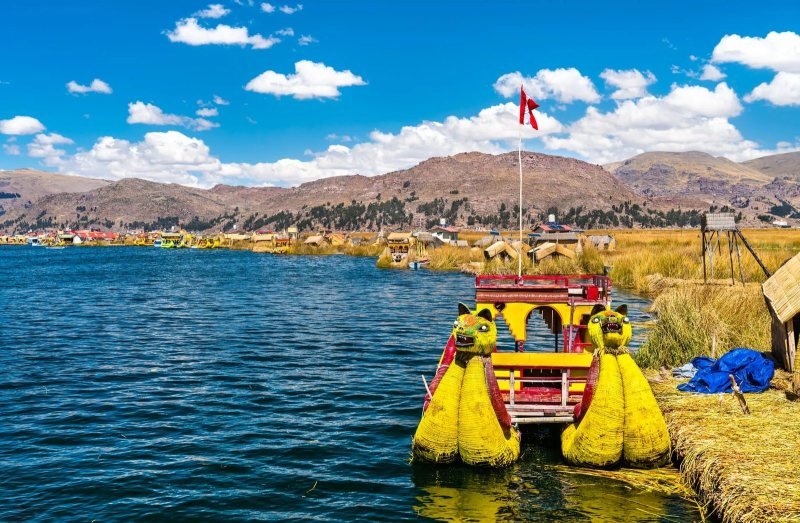
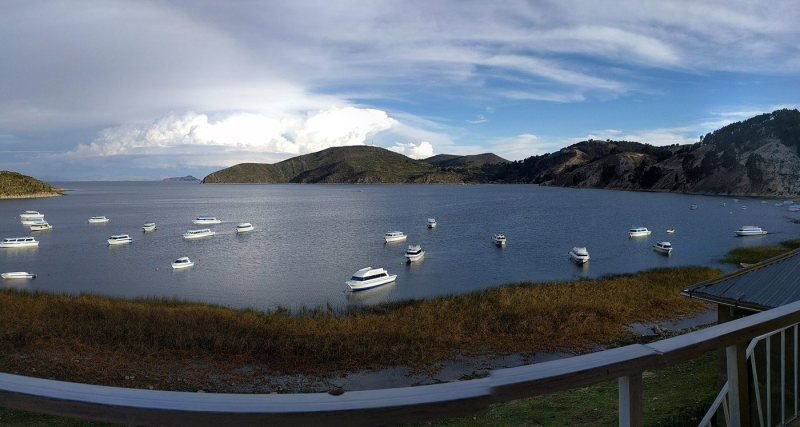
Our trips sell this experience under the name "Aymara baptism", the name the program has carried for years, and we keep it so people can find it. In practice, the ceremony is held with Quechua-speaking communities on Lake Titicaca. At Llachón, on the Capachica peninsula, a ceremony leader from the host community makes a blessing with lake water and an offering of coca leaves and food to the earth and the lake. On Amantaní island, a local leader makes a thanksgiving offering at the Pachatata hilltop, at about 4,130 m (13,550 ft), before a night with a host family. Aymara communities live on the southern shore of the same lake and make similar offerings, and our guide explains on the day whose ceremony you are joining.
The community receives a fixed payment for each ceremony, included in the trip price, and nobody asks you for money during it. If you want to see the itineraries, look at our trips with an Aymara ceremony on the lake. The same trips include Cusco and Machu Picchu. If you want to understand the people behind the offerings first, read our guide to the Aymara of Lake Titicaca and our Lake Titicaca facts guide.
Sources and further reading
- Catherine J. Allen, The Hold Life Has: Coca and Cultural Identity in an Andean Community (Smithsonian Institution Press), an ethnography of a Quechua community near Cusco, with detailed descriptions of coca, k'intu and offerings.
- Joseph W. Bastien, Mountain of the Condor: Metaphor and Ritual in an Andean Ayllu, on offerings among the Kallawaya of Bolivia.
- Pachamama, Wikipedia (August offerings, ch'alla, yatiri, Martes de Ch'alla)
- U.S. Drug Enforcement Administration, coca and cocaine fact sheet
Questions people ask
What is in a despacho?
A despacho holds coca leaves in sets of three (k'intu), seeds and grains such as maize and quinoa, sweets and sugar figures, llama fat, flowers, sea shells, colored thread and a little wine or chicha, laid out on white paper. The exact contents vary with the leader, the community and the purpose of the offering.
Who can perform a despacho ceremony?
Large offerings are led by a ritual specialist recognized by the community, called a paqo in Quechua areas and a yatiri among the Aymara. Simple household offerings are made by families themselves. Communities decide who may lead, and the honest way for a visitor to join is through a community that invites you.
What happens to the despacho when it is finished?
The bundle is folded, tied and then burned in a small fire or buried in the ground, depending on the community and the purpose. In many places people turn away while it burns. The leader usually ends with a toast, pouring a few drops on the ground before anyone drinks.
Can tourists take part in a despacho?
Yes, when the community invites visitors, is paid fairly and the leader agrees. You join the k'intu with three coca leaves and follow the leader's lead. You do not need to share the belief. Ask before photos, stay quiet during the prayers and do not touch the offering unless handed something.
Is a despacho the same as an ayahuasca ceremony?
No. A despacho is an offering of food, coca leaves and other gifts to the earth and the mountains, made in Andean farming communities. Nothing is eaten or drunk that alters the mind. Ayahuasca comes from Amazonian traditions and has nothing to do with it.
When are despacho offerings made?
All year, at key moments for a household: before sowing, when a house is finished, when animals are marked, before a trip. August is the main month, especially the first day, and in Bolivia the Tuesday of Carnival (Martes de Ch'alla). Ceremonies for visitors run whenever a trip is booked.
This guide was last reviewed in October 2026. Prices, rules and timetables are quoted with the date we checked them.