


Peru Itinerary: 7, 10 and 14 Days, Planned from Cusco
Ten days is the right length for a first Peru trip: Lima, the Sacred Valley, Machu Picchu, Cusco and Lake Titicaca. Seven days covers Lima and the Cusco region. Fourteen adds Arequipa and the Colca Canyon. Always sleep low first and go high later.

In this guide
- How many days you need in Peru
- Why the altitude order decides the itinerary
- 7-day Peru itinerary: Lima, Sacred Valley, Machu Picchu and Cusco
- 10-day Peru itinerary: add Lake Titicaca
- 14-day Peru itinerary: from the coast up to Machu Picchu
- What to cut when you are short on time
- When to travel
- What a Peru trip costs
- Sources
- Questions people ask
Short answer: Ten days is the right length for a first trip to Peru: Lima, the Sacred Valley, Machu Picchu, Cusco and Lake Titicaca without rushing. Seven days covers Lima and the Cusco region only. Fourteen days lets you add Arequipa and the Colca Canyon and climb to the high Andes slowly. In every version, sleep low first and go high later.
How many days you need in Peru
Plan 10 days for Lima, Cusco, the Sacred Valley, Machu Picchu and Lake Titicaca. That is the shortest trip that includes the lake without a night bus or a 5 a.m. flight on the day after Machu Picchu. With 7 days, drop the lake and keep the Cusco region. With 14 days, start on the coast and work your way up.
The mistake we see most is a 7-day plan that tries to do everything: Lima, the Nazca Lines, Cusco, Machu Picchu, Rainbow Mountain and Puno. On paper it fits. In practice you spend three of the seven days in vans, airports and bus terminals, and the altitude days land on top of each other. Pick two regions for a week and three for ten days.
The altitudes on a typical route
These are the places that appear in almost every Peru itinerary, with the height you sleep at or reach. The order in which you visit them decides how you feel.
- Lima: sea level.
- Arequipa: 2,335 m (7,660 ft).
- Aguas Calientes, the town below Machu Picchu: 2,040 m (6,690 ft).
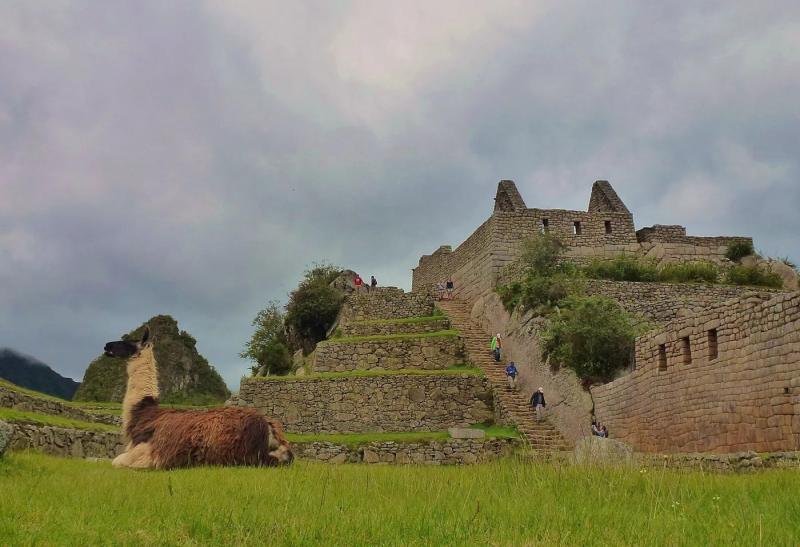
- Machu Picchu: 2,430 m (7,970 ft).
- Sacred Valley towns (Urubamba, Ollantaytambo): about 2,800 to 2,900 m (9,200 to 9,500 ft).
- Cusco: 3,400 m (11,150 ft).
- Puno, on Lake Titicaca: about 3,830 m (12,560 ft). The lake surface is 3,812 m (12,507 ft).
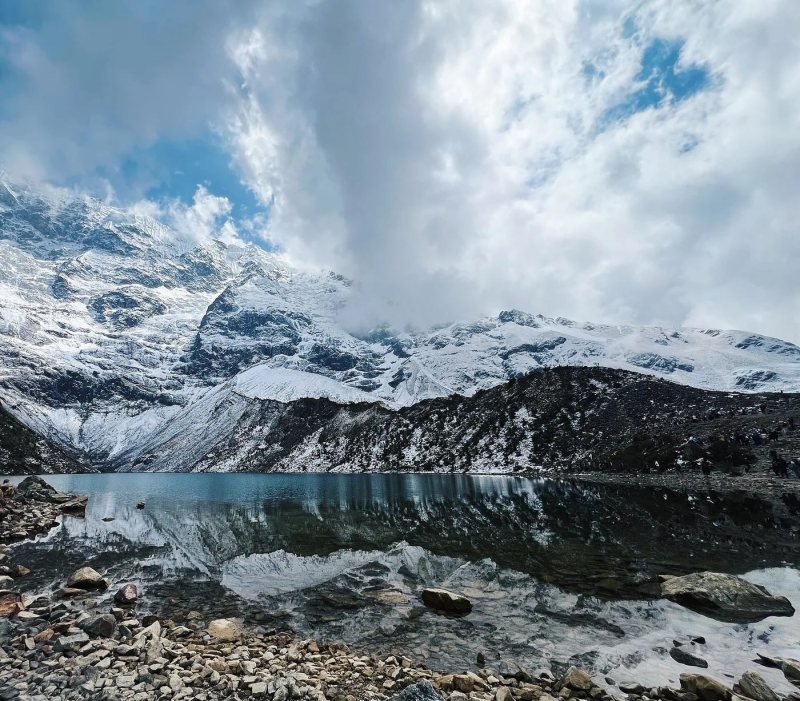
- Humantay Lake: 4,200 m (13,780 ft), a day hike.
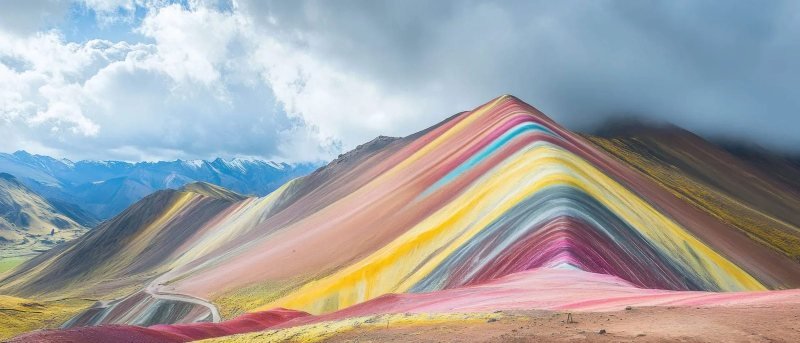
- Rainbow Mountain (Vinicunca): 5,036 m (16,522 ft), a day hike.
Why the altitude order decides the itinerary
Altitude, not distance, is what shapes a good Peru itinerary. The CDC advises that above 3,000 m (9,850 ft) you should raise the altitude you sleep at by no more than 500 m (1,600 ft) a day, and avoid going from under 1,200 m (4,000 ft) to a sleeping altitude above 2,750 m (9,000 ft) in a single day. A flight from Lima to Cusco breaks that rule in about an hour and a half, and no itinerary can fully fix it.
What you can do is soften it. Three habits work:
- Go down before you go up. From Cusco airport, drive straight to the Sacred Valley, about 500 to 600 m (1,600 to 2,000 ft) lower than Cusco, and spend your first nights there and in Aguas Calientes. You see Cusco after Machu Picchu, when your body has had three days to adjust.
- Put the hard hikes at the end. Rainbow Mountain at 5,036 m (16,522 ft) and Humantay at 4,200 m (13,780 ft) belong on day five or later in the Andes, never on day two.
- Do Cusco before Puno. Puno sits about 430 m (1,400 ft) higher than Cusco. Arriving there with a week in the Andes behind you is easy. Arriving from sea level is the hardest first night in Peru.
The CDC also lists acetazolamide as a medicine that speeds acclimatization when a fast ascent cannot be avoided. Ask your own doctor before the trip, not a pharmacy in Cusco. Our guide to Cusco altitude and how to adjust covers symptoms and what to do on the first afternoon.
7-day Peru itinerary: Lima, Sacred Valley, Machu Picchu and Cusco
A 7-day Peru itinerary works best with one night in Lima and six in the Cusco region, in the order Sacred Valley, Machu Picchu, Cusco. You see the three things most people fly to Peru for, and you climb in the right order.
Daily plan
- Day 1, Lima. Land, sleep in Miraflores or Barranco. If you arrive by noon, walk the clifftop parks in Miraflores and eat ceviche at lunch, when cevicherías serve it fresh.
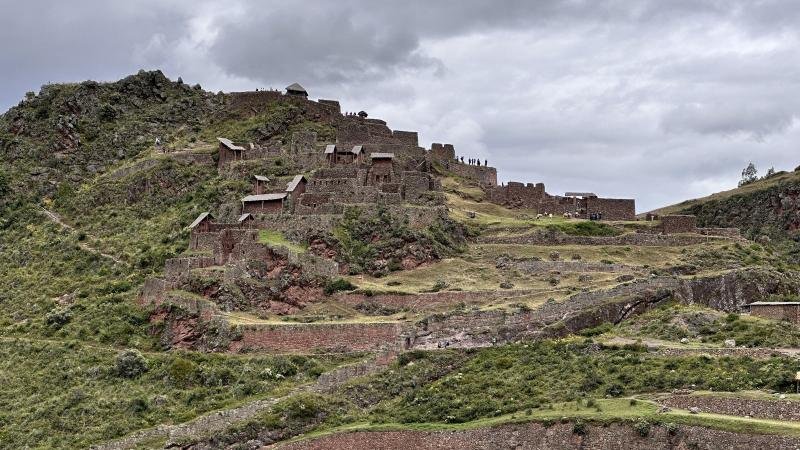
- Day 2, Lima to Cusco to the Sacred Valley. Take an early flight to Cusco and drive straight down to the valley, about 1 hour 30 minutes. Stop at Pisac if you feel fine, otherwise go to the hotel and rest. Sleep in Urubamba or Ollantaytambo.
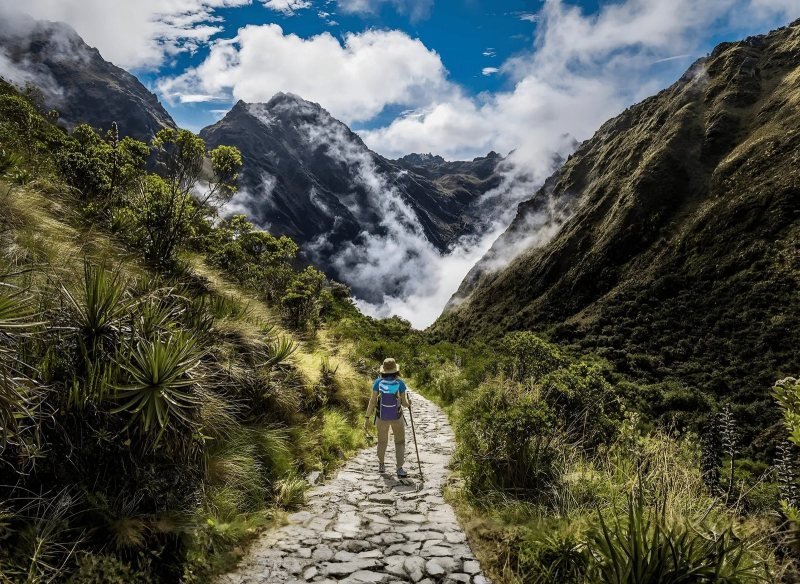
- Day 3, Ollantaytambo and the train. Climb the Ollantaytambo terraces in the morning, then take the afternoon train to Aguas Calientes. The ride along the Urubamba River takes about an hour and a half. Sleep in Aguas Calientes.
- Day 4, Machu Picchu. Take the first buses up, enter on your timed ticket, and walk your circuit with a guide. Afternoon train back to Ollantaytambo and a drive up to Cusco. Sleep in Cusco.
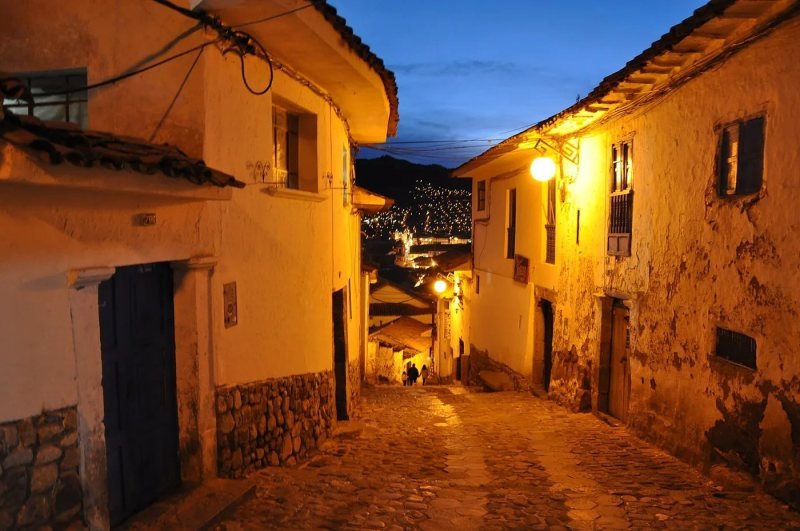
- Day 5, Cusco. Qorikancha, Sacsayhuamán and the San Blas lanes. Walk slowly on the hills. Your lungs will tell you why.
- Day 6, a day trip. Rainbow Mountain if you have felt well for two days, or Maras and Moray if you have not. Both leave early and are back by evening.
- Day 7, fly home through Lima. Most connections to the US leave Lima at night, so a morning flight out of Cusco is enough.
The route in words
Picture a loop. Lima on the coast, a flight east over the Andes to Cusco, a road north and down into the Sacred Valley, a train west along the river to Aguas Calientes, a bus up the switchbacks to Machu Picchu, then the same train and road back up to Cusco. You never repeat a hotel and you only fly twice inside Peru.
If you want the coast in the same week
Some travelers want the Ballestas Islands and the Nazca Lines too. That costs one day in Cusco and adds two long road days. Our 7-day package with Nazca and Machu Picchu does it that way, from US$900 per person, and flies into Cusco after the coast. It suits people who prefer more variety to more rest. If altitude worries you, the version above is easier on the body.
10-day Peru itinerary: add Lake Titicaca
A 10-day Peru itinerary adds Lake Titicaca to the 7-day plan, with two extra days in Cusco in between so you reach Puno already used to the height. It is the plan we recommend to most first-time visitors.
Daily plan
- Day 1, Lima. Arrive and sleep in Miraflores.
- Day 2, Sacred Valley. Early flight to Cusco and straight down to the valley. Pisac in the afternoon if you feel good.
- Day 3, Ollantaytambo and the train to Aguas Calientes.
- Day 4, Machu Picchu, then train and road back to Cusco.
- Day 5, Cusco city. Temples, museums, a long lunch.
- Day 6, Maras and Moray, or a free day. Leave a gap here. A delayed flight or a strike will find it, and if nothing goes wrong you get a slow day in Cusco.
- Day 7, Rainbow Mountain or Humantay Lake. One big hike, chosen by how you feel.
- Day 8, Cusco to Puno over the altiplano. The daytime tourist bus on the Route of the Sun stops at the Andahuaylillas church, the Raqchi temple and the La Raya pass at 4,335 m (14,222 ft), and takes about ten hours. On the days it runs, the PeruRail Titicaca train covers the same line in about ten and a half hours.
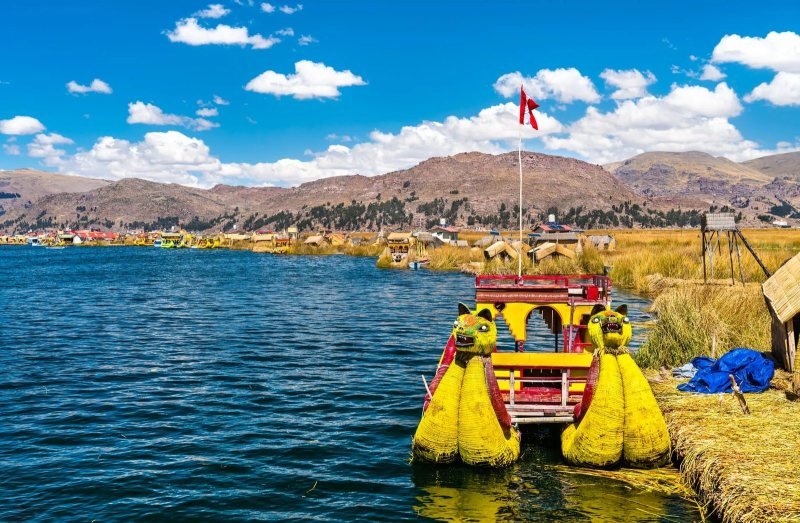
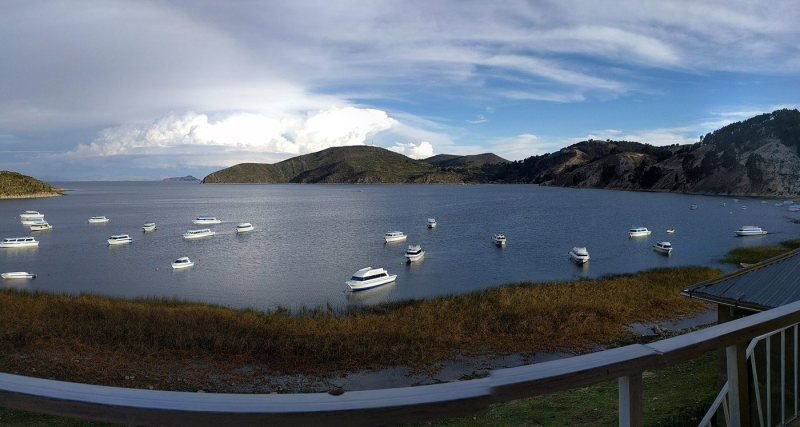
- Day 9, the lake. A boat to the Uros reed islands, about 30 minutes from the Puno pier, then on to Taquile for lunch and the walk across the island.
- Day 10, fly home. Juliaca airport is about an hour by road from Puno, with flights to Lima.
The route in words
The first half is the same loop as the 7-day plan. Then the trip turns south: out of Cusco along the Vilcanota River, over La Raya, down onto the flat, cold altiplano, and along the lakeshore into Puno. You fly out from Juliaca, so nothing is repeated.
Our 10-day package is a different trip
Be aware that our 10-day package with Rainbow Mountain and Humantay (from US$1,720 per person) does not go to Lake Titicaca. It adds the coast and the Nazca flight at the start and keeps the second half in the Cusco region, with three day trips. Pick it if hiking matters more to you than the lake. If the lake is the point, use the plan above or the 14-day version below.
14-day Peru itinerary: from the coast up to Machu Picchu
A 14-day Peru itinerary can follow the southern loop from the Pacific coast up through Arequipa, the Colca Canyon and Lake Titicaca to Cusco. It climbs a step at a time, so by the time you reach Machu Picchu the altitude is behind you.
Daily plan
- Day 1, Lima.
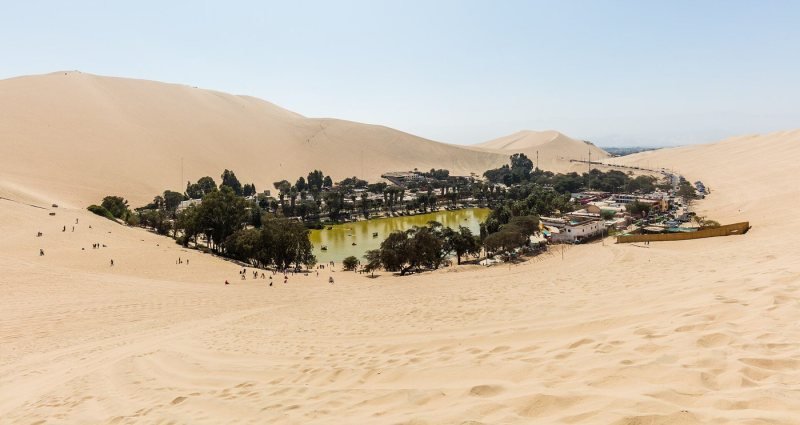
- Day 2, Paracas and Huacachina. Morning boat around the Ballestas Islands, afternoon in the dunes at the Huacachina oasis.
- Day 3, Nazca Lines flight, then the road to Arequipa. A long day. Skip the flight if small planes make you sick.
- Day 4, Arequipa at 2,335 m (7,660 ft). The white stone center and the Santa Catalina monastery.
- Day 5, to the Colca Canyon. The road crosses a pass near 4,900 m (16,000 ft) and drops to Chivay at about 3,635 m (11,926 ft).
- Day 6, Cruz del Cóndor, then Puno. Condors ride the morning thermals over the canyon. Afternoon drive to the lake.
- Day 7, Uros and Taquile.
- Day 8, Route of the Sun to Cusco. This time you are going down, from about 3,830 m to 3,400 m.
- Day 9, Cusco city.
- Day 10, Sacred Valley, then the train to Aguas Calientes.
- Day 11, Machu Picchu, back to Cusco.
- Day 12, Rainbow Mountain. After eleven days in Peru, this is the right moment for 5,036 m.
- Day 13, Humantay Lake or a free day.
- Day 14, fly home through Lima.
The route in words
A clockwise loop through southern Peru: south along the desert coast on the Panamericana, inland and up to Arequipa, higher still into the canyon, across the altiplano to the lake, then north over La Raya to Cusco and the Urubamba valley. One flight out at the end, from Cusco to Lima.
Our 15-day Complete Peru tour, from the coast to Machu Picchu follows this loop, from US$2,084 per person, and uses the fifteenth day for one more Cusco excursion and the transfer out.
Two weeks with Bolivia instead
If you have been to Machu Picchu before, or the salt flats pull harder than the coast, swap the Arequipa section for La Paz and three days on the Salar de Uyuni. Read our Uyuni salt flats guide by season before you choose the dates.
What to cut when you are short on time
Cut the Nazca flight first, Rainbow Mountain second and the Lima sightseeing third. Keep the Sacred Valley night. It is what makes the rest of the trip comfortable.
The Nazca overflight itself lasts about half an hour, but reaching it from Lima costs a full day each way unless you fly from Pisco. Rainbow Mountain needs a 4 a.m. start and two hours of walking at altitudes most Americans have never been to. Both are worth doing on a long trip and easy to drop on a short one. Never cut Machu Picchu down to a same-day return from Cusco on your second day in Peru: it is a 15-hour day at the moment your body is still adjusting.
When to travel
The dry season in the Andes runs from May to September, with clear mornings, cold nights and the most visitors in June to August. The rainy months are December to March. The Classic Inca Trail closes every February for maintenance, but Machu Picchu stays open by train. April, May, September and October give you the best balance of weather and crowds, in our opinion. See the best time to visit Peru by region for the coast, the Andes and the Amazon side by side.
What a Peru trip costs
A 7 to 15 day Peru trip with our packages runs from US$880 to US$2,084 per person on the Essential tier, in a double room, before flights. The table lists every itinerary in our Peru vacation packages with the prices exactly as they appear on each package page.
| Package | Days | Regions | Lake Titicaca | Highest point (m / ft) | From (US$ per person, Essential) | Upper tiers (US$) |
|---|---|---|---|---|---|---|
| Lima and Machu Picchu, 6 days | 6 | Lima, Paracas, Huacachina, Cusco, Sacred Valley, Machu Picchu | no | 3,800 / 12,467 | US$880 | Comfort US$970, Signature US$2,050 |
| Peru in 7 days | 7 | Lima, Paracas, Nazca flight, Cusco, Sacred Valley, Machu Picchu | no | 3,800 / 12,467 | US$900 | Comfort US$1,100, Signature US$2,220 |
| Peru in 8 days | 8 | Lima, Paracas, Nazca, Cusco, Sacred Valley, Machu Picchu, Rainbow Mountain | no | 5,036 / 16,522 | US$1,190 | Comfort US$1,300, Signature US$2,520 |
| Peru in 9 days | 9 | Lima, Paracas, Nazca, Cusco, Sacred Valley, Machu Picchu, Rainbow Mountain, Humantay | no | 5,036 / 16,522 | US$1,660 | Comfort Plus US$2,050, Signature US$2,950 |
| Peru in 10 days | 10 | Lima, Paracas, Nazca, Cusco, Sacred Valley, Machu Picchu, Rainbow Mountain, South Valley, Humantay | no | 5,036 / 16,522 | US$1,720 | Comfort Plus US$2,100, Signature US$3,020 |
| Complete Peru, 15 days | 15 | Lima, Paracas, Nazca, Arequipa, Colca, Puno, Cusco, Sacred Valley, Machu Picchu, Rainbow Mountain, Humantay | yes, Uros and Taquile | 5,036 / 16,522 | US$2,084 | Comfort Plus US$2,952, Signature US$4,391 |
Three costs sit outside those prices and catch people out:
- Flights. International flights and the domestic legs (Lima to Cusco, Juliaca to Lima) are not included in our package prices. Book the domestic ones early for June to August.
- Extras at Machu Picchu. Huayna Picchu or Machu Picchu Mountain are separate tickets.
- Meals, tips and travel insurance. Lunches in Aguas Calientes and dinners in Cusco add up. Budget for them.
If you plan the trip yourself, the Machu Picchu ticket is a fixed cost to start from: S/152 for a foreign adult (as of January 2026, Ministerio de Cultura). Train fares, hotels and domestic flights change by season and by day, so price them on the operators' own sites the week you book.
| Fact | Value |
|---|---|
| Cusco | 3,400 m (11,150 ft) |
| Machu Picchu | 2,430 m (7,970 ft) |
| Aguas Calientes | 2,040 m (6,690 ft) |
| Puno | about 3,830 m (12,560 ft) |
| Rainbow Mountain (Vinicunca) | 5,036 m (16,522 ft) |
| Humantay Lake | 4,200 m (13,780 ft) |
| CDC ascent rule | above 3,000 m, no more than 500 m more sleeping altitude per day |
Sources
- CDC Yellow Book, high-altitude travel and altitude illness
- Ministerio de Cultura, official Machu Picchu tickets
- PeruRail Titicaca, Cusco to Puno
- Package itineraries and prices: our own package pages
Questions people ask
How many days do you need in Peru?
Ten days is enough for Lima, the Sacred Valley, Machu Picchu, Cusco and Lake Titicaca at a comfortable pace. Seven days covers Lima and the Cusco region only. Two weeks lets you add the coast, Arequipa and the Colca Canyon, or Bolivia. Anything under six days means Machu Picchu and very little else.
Is 7 days enough for Peru?
Yes, for Lima, the Sacred Valley, Machu Picchu and Cusco. Spend one night in Lima and six in the Andes, sleeping in the Sacred Valley first because it sits lower than Cusco. Leave Lake Titicaca and the coast for another trip, or accept that adding them turns the week into a string of transfers.
What does a 10-day trip to Peru cost?
Our 10-day package starts at US$1,720 per person (Essential tier, double room) and the Comfort Plus tier is US$2,100. That covers hotels, guides, the Machu Picchu entrance, trains and transfers, not international or domestic flights, tips or most meals. Independent travelers pay more or less depending on hotels and season.
Should I start my trip in Cusco or the Sacred Valley?
Start in the Sacred Valley. The valley towns sit about 500 to 600 m (1,600 to 2,000 ft) below Cusco, so your first nights at altitude are easier. Drive there straight from Cusco airport, do Machu Picchu, and see Cusco at the end when you have adjusted.
Lake Titicaca or Rainbow Mountain, if I can fit only one of them?
Choose Lake Titicaca if you want people, boats and island villages, and you have two days to spare. Choose Rainbow Mountain if you have one day and you want a hard hike to 5,036 m (16,522 ft). The lake costs more time, the mountain costs more effort.
Can I add Bolivia to a Peru itinerary?
Yes, from Puno. The road crosses the border at Kasani near Copacabana or at Desaguadero and reaches La Paz the same day. Two weeks covers Machu Picchu, the lake, La Paz and three days on the Uyuni salt flats. US citizens need no tourist visa for Bolivia since December 1, 2025.
This guide was last reviewed in October 2026. Prices, rules and timetables are quoted with the date we checked them.