




Lake Titicaca Altitude: Puno, the Islands and the Road from Cusco
Lake Titicaca's surface sits at 3,812 m (12,507 ft), and Puno at about 3,830 m (12,570 ft), roughly 430 m higher than Cusco at 3,399 m (11,152 ft). Taquile's village reaches about 3,950 m. Arrive from Cusco after a few days in the Andes, not straight from Lima, and the lake is easy.

In this guide
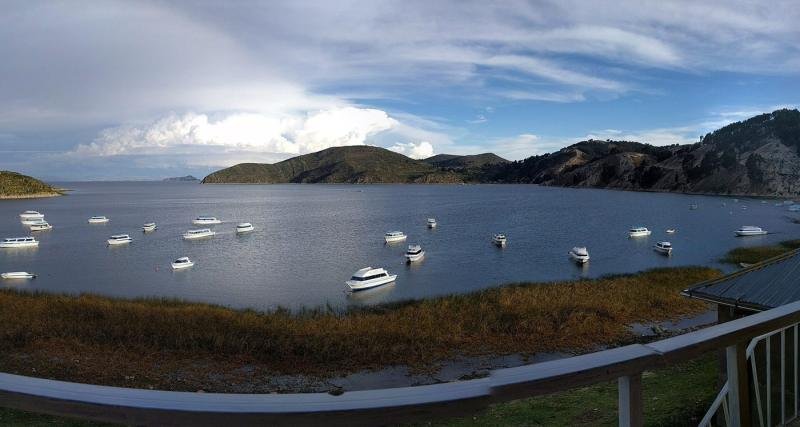
The boat bumps against the dock at Taquile and you start up the stone path toward the village. The lake below is a hard, dark blue, the sun burns the back of your neck even though the wind off the water is cold, and after a few dozen steps nobody in the group is talking anymore. You stop, breathe, look back at the water and start again.
Short answer: Lake Titicaca's surface sits at 3,812 m (12,507 ft), and Puno at about 3,830 m (12,570 ft), roughly 430 m higher than Cusco at 3,399 m (11,152 ft). Taquile's village reaches about 3,950 m. Arrive from Cusco after a few days in the Andes, not straight from Lima, and the lake is easy.
Lake Titicaca is the highest place most Peru travelers sleep, and it is where the order of the trip makes the biggest difference. We send travelers to Puno every week. The ones who arrive after a week in Cusco and the Sacred Valley step off the bus and go looking for dinner. The ones who fly from Lima to Juliaca in the morning often spend the first afternoon in bed. Same lake, same hotel, different plan.
How high is Lake Titicaca?
The surface of Lake Titicaca is at 3,812 m (12,507 ft) above sea level, the figure in standard references such as Wikipedia's infobox. The level rises and falls by a meter or two between wet and dry years, so you will see slightly different numbers in print. For planning, use 3,812 m. It is the figure we use across this site.
Puno, the Peruvian port and the base for the islands, climbs from the shore up the hillsides to about 3,830 m (12,570 ft) in the center. Juliaca, where the airport is, sits at about 3,825 m (12,549 ft) on the flat altiplano an hour north. Every place you sleep on the Peruvian side of the lake is higher than Cusco.
Altitude of Puno, the islands and the road
The table lists the places on a Lake Titicaca trip from Peru, with the difference from Cusco. Two numbers matter most: the La Raya pass on the road from Cusco, and the hilltops on Taquile and Amantaní, the highest points most visitors reach on foot.
| Place | Altitude (m) | Altitude (ft) | Compared with Cusco | Source |
|---|---|---|---|---|
| Cusco | 3,399 | 11,152 | Reference | Wikipedia infobox |
| La Paz, Bolivia | about 3,650 | about 11,975 | About 250 m higher | Site value, peru-bolivia packages |
| Lake Titicaca surface, Uros islands | 3,812 | 12,507 | About 413 m higher | Wikipedia infobox |
| Juliaca airport area | 3,825 | 12,549 | About 426 m higher | Wikipedia infobox |
| Puno city center | about 3,830 | about 12,570 | About 431 m higher | Wikipedia infobox |
| Taquile village square | about 3,950 | about 12,960 | About 550 m higher | Site value, taquile-and-amantani guide |
| Amantaní, Pachatata hilltop | about 4,130 | about 13,550 | About 730 m higher | Site value, package data |
| La Raya pass, Cusco to Puno road | 4,335 | 14,222 | About 936 m higher | Site value, cusco-to-lake-titicaca guide |
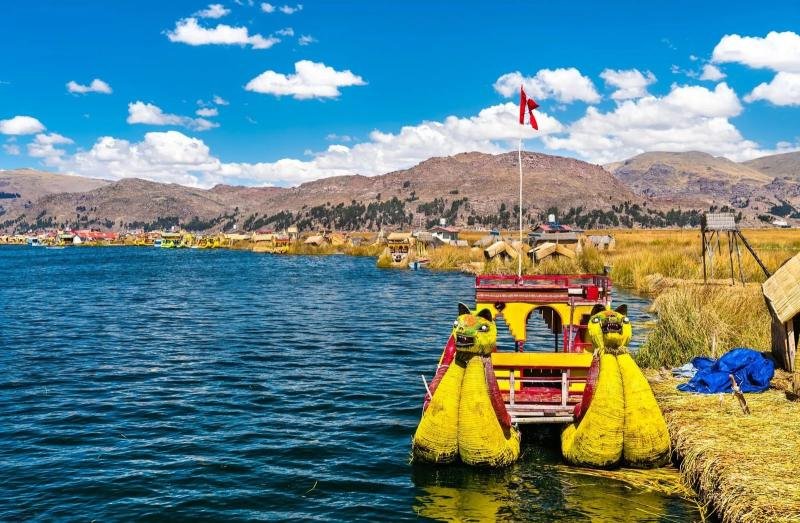
On the boat days the effort is small. The Uros reed islands float on the lake itself at 3,812 m, and you step from the boat onto reeds that give a little under your feet. Taquile is another story. From the dock a stone path climbs about 140 m (460 ft) to the village square, and that is the moment of the trip when people stop talking and start breathing. Walk at the pace of the slowest person in your group and nobody suffers.
Will you feel the altitude at Lake Titicaca?
You will feel it if you come from sea level, and much less if you come from Cusco. The CDC Yellow Book places the start of altitude illness risk at sleeping altitudes of 2,450 m (8,000 ft), and Puno is about 1,380 m (4,530 ft) above that. Above 3,000 m (9,800 ft) the CDC advises raising the altitude you sleep at by no more than 500 m (1,650 ft) a night. Cusco to Puno is about 430 m, inside that rule. Lima to Juliaca is about 3,800 m in one flight.
Nights are cold, around freezing in the dry months, and the air is very dry. Expect to sleep lightly the first night and to wake up thirsty. The sun at this height burns fast even when the air is cold, so wear a hat and sunscreen on the boat.
Cusco first, then the lake
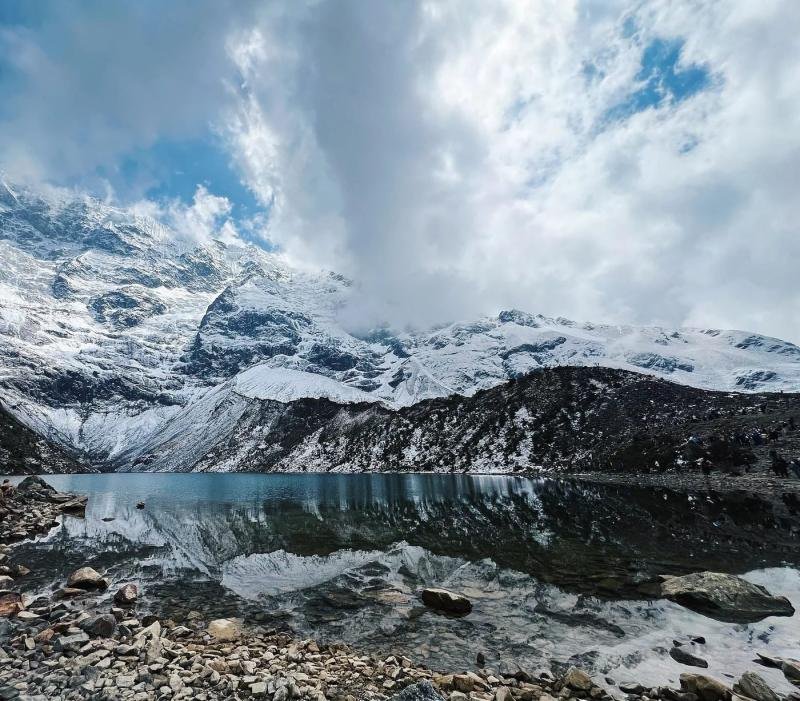
The easiest plan is Cusco, the Sacred Valley and Machu Picchu first, with Puno at the end of the trip. After four or five nights at Cusco's height, a step up of 430 m is small. The daytime tourist bus between the two cities takes about ten hours, stops at Andahuaylillas and Raqchi, and crosses La Raya at 4,335 m (14,222 ft) before rolling down onto the altiplano. You spend a few minutes at the pass, take your photo by the snow peaks and sleep lower, in Puno.
Our 10-day trip from Lima to Lake Titicaca with a lake ceremony, from US$1,347 per person, follows that order: Lima, Cusco, Machu Picchu, a farming day in the valley, then the Sun Route bus to Puno on day 7. The shorter Cusco to Lake Titicaca in 5 days, from US$917, reaches Puno by night bus after Machu Picchu.
The other good order is the opposite climb, slowly up from the coast. Our Complete Peru in 15 days, from US$2,084, sleeps in Arequipa at 2,335 m (7,660 ft) and Chivay at about 3,635 m (11,926 ft) before Puno, then goes down to Cusco. For the bus, the train and the flight compared, read our Cusco to Lake Titicaca guide.
If you fly straight to Juliaca
Some travelers have only a few days and want the lake first. If you fly from Lima to Juliaca, treat the first 24 hours as a rest day. Take the transfer to Puno, eat a light lunch, skip alcohol and leave the islands for day two. Do not book Taquile or an overnight on Amantaní for the afternoon you land.
The CDC advises anyone with heart or lung disease to see a physician who knows altitude medicine before such a trip. Whatever your health, ask your doctor about altitude medication before you fly, and bring your itinerary to the appointment. This page gives altitude facts, not medical advice. Our Cusco altitude guide covers symptoms, warning signs and the CDC's prevention advice in full.
Islands and the Bolivian side
Amantaní's hilltop temple of Pachatata reaches about 4,130 m (13,550 ft), the highest point on a homestay trip, and families on the island host visitors for the night in houses at around 3,900 m. Our Taquile and Amantaní guide explains the visit. Copacabana, on the Bolivian shore, is at lake level, and La Paz, the next stop on most Peru and Bolivia trips, sits at about 3,650 m (11,975 ft), lower than Puno. Our Lake Titicaca facts page covers the depth, the size and the border.
Related tours


Questions people ask
What is the altitude of Lake Titicaca?
Lake Titicaca's surface is at 3,812 m (12,507 ft) above sea level, about 413 m (1,355 ft) higher than Cusco. The level moves a little between wet and dry years, so printed figures vary by a meter or two. The Uros reed islands float at that height, and Taquile's village climbs to about 3,950 m (12,960 ft).
What is the elevation of Puno, Peru?
Puno sits at about 3,830 m (12,570 ft) in the center, rising from the lakeshore at 3,812 m. That puts it roughly 430 m (1,410 ft) higher than Cusco. Juliaca, the airport city an hour north, is at about 3,825 m (12,549 ft), so landing there puts you at Puno's height the moment you step off the plane.
Is Lake Titicaca higher than Cusco?
Yes. The lake is at 3,812 m (12,507 ft) and Cusco at 3,399 m (11,152 ft), so the lake is about 413 m higher, and Puno town a little more. That is why we suggest visiting the lake after Cusco and Machu Picchu, once you have spent several nights adjusting to the Andes.
Is it better to go to Lake Titicaca before or after Cusco?
After. A week in Cusco, the Sacred Valley and Machu Picchu prepares your body, and the step up to Puno is then about 430 m. Flying from Lima straight to Juliaca is a jump of about 3,800 m in one flight. If you must start at the lake, keep the first day free of walks and boats.
Do you get altitude sickness in Puno?
Many people coming straight from sea level do, with a headache, poor sleep and breathlessness. Travelers arriving from Cusco usually feel only the cold and the stairs. The CDC places the start of risk at sleeping altitudes of 2,450 m (8,000 ft), and Puno is far above it. Ask your doctor about medication before the trip, and descend and get help if you are breathless at rest.
Sources
- Wikipedia, Lake Titicaca (infobox surface elevation 3,812 m) checked October 2026
- Wikipedia, Puno (infobox elevation 3,830 m) checked October 2026
- Wikipedia, Juliaca (infobox elevation 3,825 m) checked October 2026
- Wikipedia, Cusco (infobox elevation 3,399 m) checked October 2026
- CDC Yellow Book, High-Altitude Travel and Altitude Illness checked October 2026
- Our guide, Cusco to Lake Titicaca (La Raya 4,335 m, bus times) checked October 2026
- Our guide, Taquile and Amantaní (Taquile village about 3,950 m, Pachatata about 4,130 m)
- Our package pages: itineraries and 'from' prices (Essential tier, per person, double room) checked October 2026
This guide was last reviewed in October 2026. Prices, rules and timetables are quoted with the date we checked them.