






Peruvian Food: The Dishes to Try and Where They Come From
Peruvian food mixes Andean ingredients, such as potatoes, corn, chili and quinoa, with Spanish, African, Chinese and Japanese cooking. Try ceviche, lomo saltado, ají de gallina, causa and anticuchos first, and cuy and pachamanca in the Andes, with a pisco sour or chicha morada.

In this guide
The plate lands in front of you at a quarter past one, and the smell gets there first: lime, raw red onion, a bite of chili. The fish is cut in cubes, white and just turning opaque at the edges. Beside it sits a wedge of sweet potato, orange and soft, and a scatter of fat white corn kernels the size of your thumbnail. At the bottom of the bowl is the milky, sour juice the waiter calls leche de tigre. The man at the next table drinks his straight from the bowl. By the second bite, so do you.
Short answer: Peruvian food mixes Andean ingredients, such as potatoes, corn, chili peppers and quinoa, with Spanish, African, Chinese and Japanese cooking. The dishes to try first are ceviche, lomo saltado, ají de gallina, causa, anticuchos and, in the Andes, cuy and pachamanca, with a pisco sour or a chicha morada on the side.
Food is reason enough to travel in Peru, and you do not need a reservation at a famous restaurant to eat well. Here are the dishes worth ordering, what they are, where they come from and how to eat them safely.
What makes Peruvian food different
Peruvian cooking starts with what the Andes gave the world: potatoes, corn, chili peppers, quinoa and beans. More than 4,000 varieties of potato are grown in the highlands of Peru, Bolivia and Ecuador, according to the International Potato Center in Lima, and you will meet a dozen of them on market stalls in Cusco alone.
Over that base came five centuries of migration. The Spanish brought beef, onions, lime and wheat. Enslaved Africans shaped the coastal kitchen, including the grilled beef heart of anticuchos. Chinese workers arrived in the 19th century and created chifa, the Chinese and Peruvian cooking you see in every town. Japanese immigrants brought their way with raw fish, and their mix with Peruvian food is called Nikkei.
The flavor that ties it all together is ají, the Peruvian chili. Ají amarillo, the yellow one, is fruity and medium hot, and it is in half the dishes on this page. Rocoto, red and round, is much hotter.
The dishes to try first
These six are the core of the menu across the country. Order them in this order if you only have a few meals.
| Dish | What it is | Where it is from | Spice |
|---|---|---|---|
| Ceviche | Raw fish cured in lime with chili, onion, sweet potato and corn | Coast | Medium |
| Lomo saltado | Beef stir-fried with onion and tomato, over fries, with rice | Chifa, nationwide | Mild |
| Ají de gallina | Shredded chicken in a creamy yellow chili sauce | Lima and nationwide | Mild |
| Causa | Cold mashed yellow potato layered with chicken or tuna and avocado | Coast | Mild |
| Anticuchos | Grilled skewers of marinated beef heart | Street food, nationwide | Medium |
| Pollo a la brasa | Wood-roasted rotisserie chicken with fries and sauces | Nationwide | Mild, sauces hot |
Ceviche
Ceviche is raw fish marinated in lime juice, seasoned with chili and salt, and served with onion, sweet potato and corn. In December 2023, UNESCO inscribed the practices and meanings around ceviche on its list of the Intangible Cultural Heritage of Humanity, the first Peruvian dish to be listed. Peru celebrates National Ceviche Day every June 28.
Eat it at lunch. Peruvians treat ceviche as a midday dish, made with the morning's catch, and many cevicherías close by late afternoon. The leftover marinade, leche de tigre, is served in a small glass as a starter and is said to cure a hangover.
Lomo saltado
Lomo saltado is strips of beef stir-fried in a wok with red onion, tomato, soy sauce and vinegar, served over French fries with a side of rice. It is the clearest example of chifa: a Chinese technique with Peruvian ingredients. If you are not sure what to order, order this. It is on almost every menu in the country and it is hard to get wrong.
Ají de gallina
Ají de gallina is shredded chicken in a creamy sauce of yellow chili, bread, milk and ground nuts, served with rice, boiled potato, an olive and half an egg. It is mild, rich and the comfort food most Peruvians grew up on.
Causa
Causa is a cold layered dish of mashed yellow potato seasoned with lime and yellow chili, filled with chicken, tuna or crab and avocado. Restaurants serve it as a starter, cut into neat towers.
Anticuchos
Anticuchos are skewers of beef heart, marinated in vinegar, garlic and chili, and grilled over charcoal. Street carts sell them in the evening, with a boiled potato and a corn cob on the stick. Do not let the word heart stop you. They taste like tender grilled steak.
Pollo a la brasa
Peru's rotisserie chicken is marinated in spices and roasted over wood, then served with fries, salad and a row of sauces. It is what families eat on a Sunday, and the cheapest good dinner you will find in any town.
Andean food: what to eat in Cusco and the highlands
In the Andes the food is heartier, built on potatoes, corn, quinoa and meat, and made for cold nights at altitude. Cusco, where our team is based, is the place we send guests to try it.
Cuy
Cuy, the guinea pig, has been raised and eaten in the Andes for thousands of years and is still served at family celebrations. It comes roasted or fried whole, with the head on, so ask for it in pieces if that bothers you. In Cusco Cathedral, a colonial Last Supper painted by Marcos Zapata shows Christ and the apostles at a table with a dish that most guides read as a roast cuy.
Pachamanca
Pachamanca means earth pot in Quechua. Meats, potatoes, broad beans and corn are cooked under the ground on hot stones, wrapped in herbs, for a couple of hours. It is a feast for groups and a Sunday tradition in the countryside, so it is hard to find on a weekday.
Alpaca, trout and quinoa soup
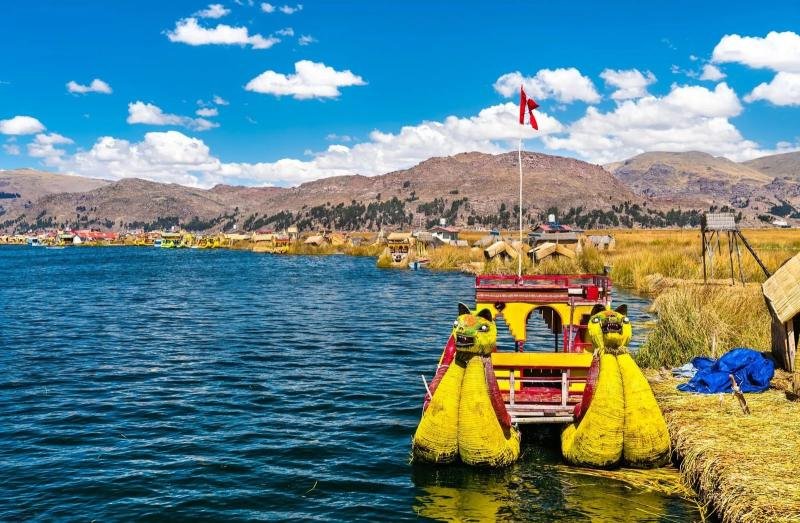
Alpaca meat is lean and mild and appears on Cusco menus grilled like a steak. Trout, farmed in highland lakes including Titicaca, is the fish of the Andes, fried or grilled with garlic. Quinoa soup, with potato and vegetables, is the light meal to order on your first night at altitude. Our guide to llamas and alpacas explains the animals behind the menu.
Rocoto relleno
Rocoto relleno, from Arequipa, is a red rocoto pepper stuffed with spiced beef, raisins and olives, topped with cheese and baked. The pepper is blanched to tame the heat, but take a small first bite.
What to drink
The pisco sour is Peru's national cocktail: pisco, a grape brandy, shaken with lime juice, syrup and egg white, with a few drops of bitters on the foam. Peru celebrates National Pisco Sour Day on the first Saturday of February. Go easy on your first night at altitude. One pisco sour in Cusco hits like two at sea level.
Chicha morada is a non-alcoholic drink of purple corn boiled with pineapple, cinnamon and cloves, served cold. Chicha de jora is the fermented corn beer of the Andes, sold in villages where a red flag or flowers on a pole mark the door. Inca Kola, yellow and sweet, outsells Coca-Cola in Peru, and coca tea is what every hotel in Cusco offers you on arrival.
How to eat well and safely in Peru
Most stomach trouble in Peru comes from tap water and from food that sat out, not from Peruvian cooking. Drink bottled or filtered water. Eat ceviche at busy places at lunchtime, where the fish turns over fast. Peel fruit yourself, and choose salads in restaurants that cater to travelers.
The cheapest good meal in Peru is the menú, a set lunch of soup, a main course and a drink, served in local restaurants at midday for a few soles. Markets are good too. In Cusco, the San Pedro market has stalls for soup, juices and set lunches, and our Cusco walking tour, from US$27 per person, starts there.
In Lima, the food is the main event. Our list of things to do in Lima covers where to start, and the Peru trip cost guide shows what meals cost by budget.
Related tours


Questions people ask
What is the national dish of Peru?
Ceviche is the dish most Peruvians name, and in December 2023 UNESCO inscribed the practices around it on its Intangible Cultural Heritage list. It is raw fish cured in lime with chili, onion, sweet potato and corn. Peru celebrates National Ceviche Day every June 28.
What is a typical Peruvian meal?
The everyday meal is the menú, a set lunch served at midday: a soup, a main course such as lomo saltado or ají de gallina with rice, and a drink, often chicha morada. Lunch is the main meal of the day in Peru, and dinner is lighter.
Is Peruvian food spicy?
Most dishes are mildly spicy and full of flavor rather than hot. The yellow ají amarillo is fruity and medium. The heat comes in the sauces on the table, especially rocoto, which is very hot. Ask for no chili, sin ají, if you prefer it mild.
Do people in Peru really eat guinea pigs?
Yes. Cuy has been raised and eaten in the Andes for thousands of years, and it is still a dish for family celebrations, roasted or fried whole. You find it most in Cusco and the highlands. A colonial Last Supper in Cusco Cathedral even seems to show one on the table.
Is it safe to eat ceviche in Peru?
Yes, at a busy cevichería at lunchtime, when the fish is fresh and turns over fast. Peruvians eat ceviche at midday for that reason. Skip it in the evening, at places with few customers, and far from the coast if you have a sensitive stomach.
What should I drink in Peru?
Try a pisco sour, the national cocktail of grape brandy, lime, syrup and egg white, and chicha morada, a cold, non-alcoholic purple corn drink. Inca Kola is the local soda. In Cusco, coca tea helps you settle in at altitude.
Sources
- UNESCO, ceviche on the Representative List of the Intangible Cultural Heritage (2023) checked October 2026
- Andina, ceviche inscribed by UNESCO on December 6, 2023, first Peruvian cuisine element checked October 2026
- Wikipedia, Peruvian cuisine (dishes, Ceviche Day June 28, chifa, Nikkei, Inca Kola) checked October 2026
- International Potato Center (CIP), fact sheet (potato diversity in the Andes)
- Andina, National Pisco Sour Day, first Saturday of February checked October 2026
- Wikipedia, Marcos Zapata (Last Supper in Cusco Cathedral, possibly a cuy) checked October 2026
This guide was last reviewed in October 2026. Prices, rules and timetables are quoted with the date we checked them.